
Understanding the Allure of a 4-Car Garage with Workshop
A four-car garage offers a considerable advantage, especially for families with multiple vehicles, collectors, or those needing extra storage. The addition of a workshop transforms the garage into a multi-functional hub, catering to DIY enthusiasts, hobbyists, or anyone needing a dedicated space for projects. Let’s explore why a affordable 4 car garage plans with workshop is a sought-after feature for many homeowners.
- Ample Storage: Beyond vehicle storage, a four-car garage provides significant space for tools, equipment, seasonal items, and more.
- Workshop Potential: Integrating a workshop area allows for dedicated space for woodworking, auto repair, crafting, or any hobby requiring a designated area.
- Increased Property Value: A well-designed and functional four-car garage with a workshop can significantly increase the value of your home.
- Organization and Efficiency: Having a designated space for specific purposes helps maintain organization and efficiency in your daily life.
- Protection of Vehicles: A garage protects vehicles from the elements, reducing wear and tear and potentially lowering insurance costs.
Key Considerations When Choosing Affordable 4-Car Garage Plans with Workshop
Before diving into specific plans, consider several crucial factors that will influence your choice of affordable 4 car garage plans with workshop. These elements will help you tailor the build to your specific needs and budget.
Budget and Cost Optimization
The primary focus for many is finding affordable options. Here are considerations to keep costs down:
- Simple Design: Choose simpler, less ornate designs. Complex rooflines and unusual shapes increase construction costs. Opting for a rectangular or square layout can save significantly.
- Material Choices: Explore cost-effective building materials without sacrificing durability. Consider pre-engineered metal buildings or utilizing readily available lumber options for framing. Explore alternative siding materials to reduce upfront costs.
- DIY Potential: Assess which aspects you can handle yourself. Painting, insulation, and some finishing work can be done DIY, reducing labor expenses. Be realistic about your skills and time commitment.
- Compare Quotes: Get multiple quotes from contractors for both materials and labor. This allows you to negotiate prices and find the most competitive rates.
- Phased Construction: If budget is a major constraint, consider building the garage in stages. You could prioritize the basic structure first and then add the workshop features later.
Size and Layout: Maximizing Space Efficiency
Carefully consider the dimensions and layout of the garage and workshop area. Optimal use of space is critical.
- Vehicle Size: Ensure the garage bays are large enough for all your vehicles, with adequate room for maneuvering and opening doors. Account for future vehicle upgrades.
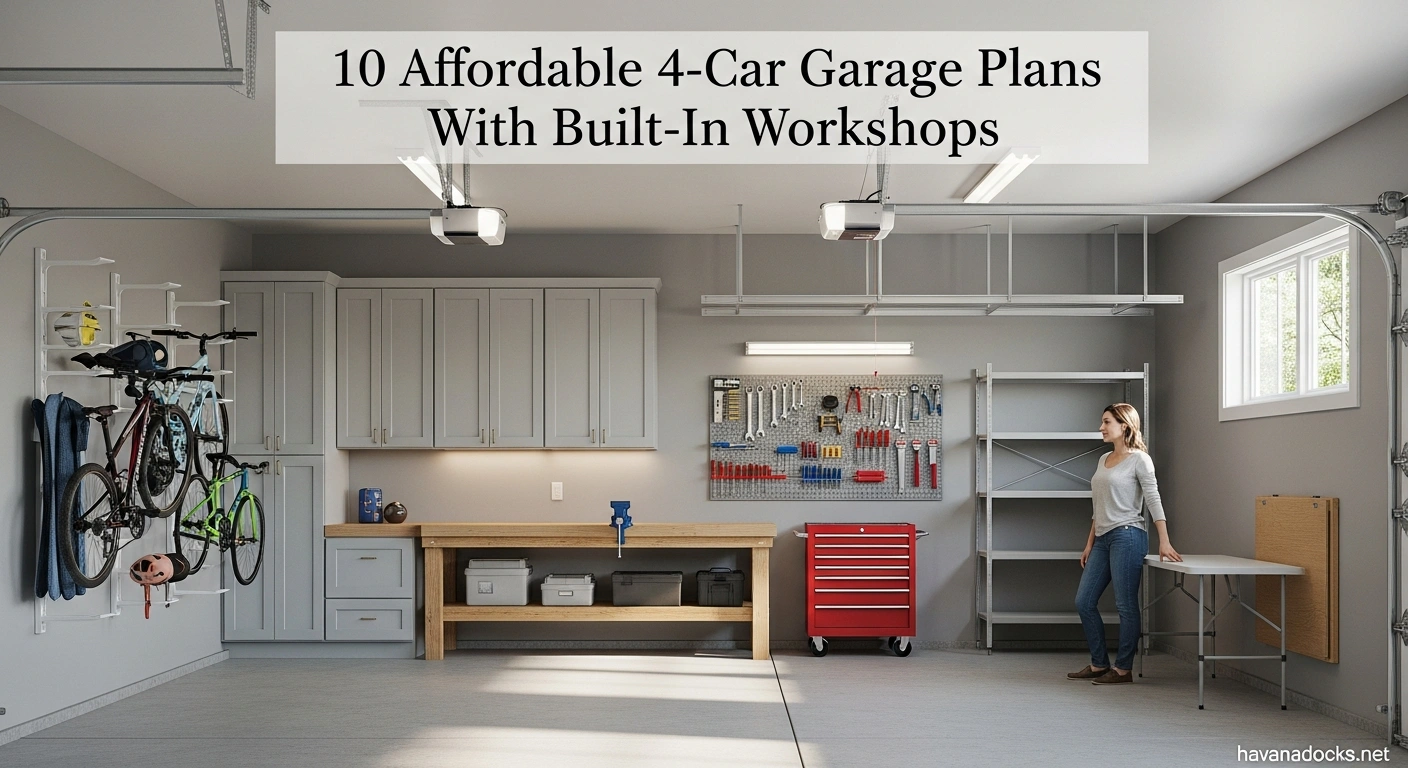
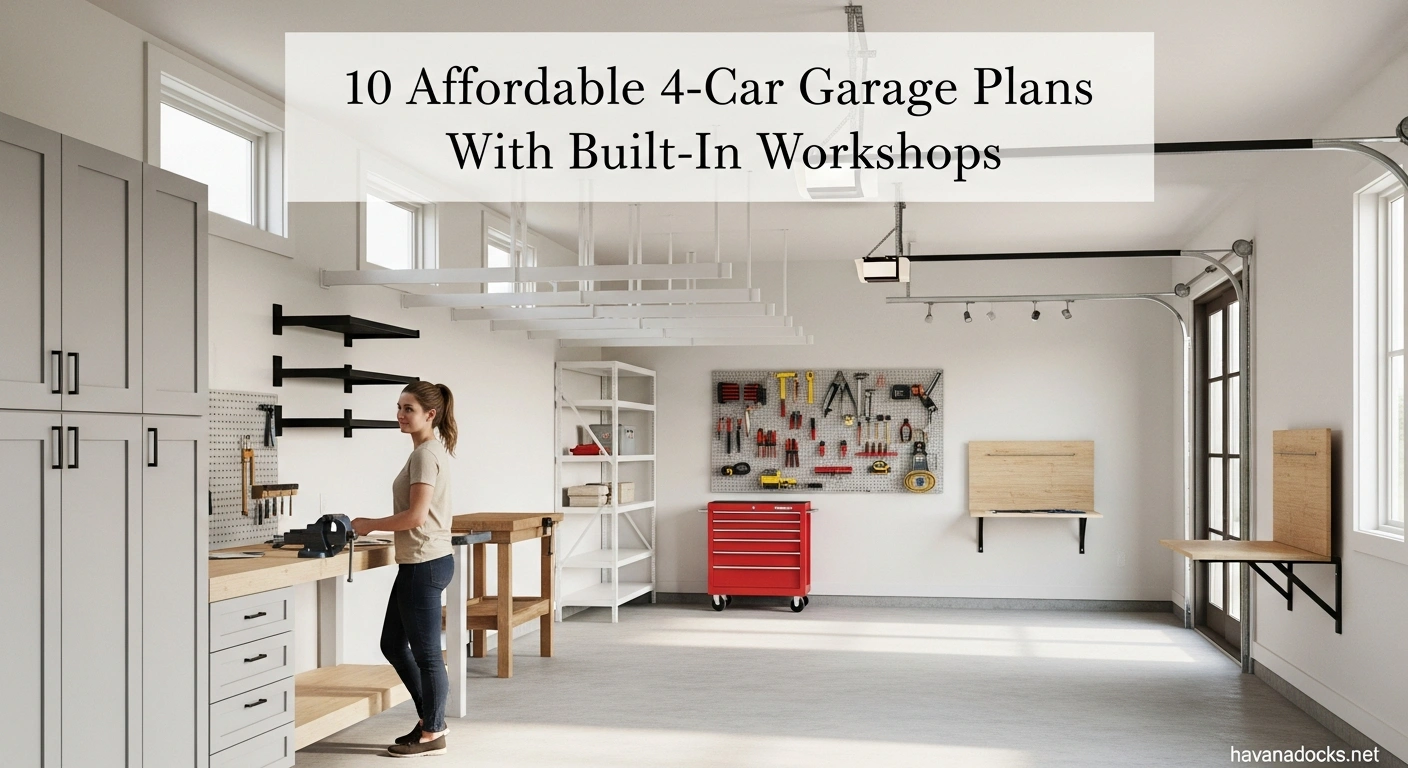
- Workshop Dimensions: Decide on the size and layout of your workshop. Consider the types of projects you’ll be undertaking and the equipment you’ll need to accommodate. Plan for adequate space for workbenches, tools, and storage.
- Traffic Flow: Plan for efficient traffic flow within the garage and workshop. Ensure easy access to vehicles and workstations without obstructions.
- Storage Solutions: Incorporate storage solutions such as shelving, cabinets, and overhead storage to maximize space and keep the area organized.
- Headroom: Ensure adequate headroom throughout the garage and workshop, especially if you plan to install an automotive lift or work on tall projects.
Building Codes and Permits
Navigating building codes and permit requirements is crucial for a smooth construction process.
- Local Regulations: Research local building codes and zoning regulations before finalizing your plans. These regulations dictate size restrictions, setbacks, and other requirements.
- Permit Process: Understand the permit process in your area. Obtain the necessary permits before starting construction to avoid costly delays and potential fines.
- Inspections: Be prepared for inspections throughout the construction process. Ensure your work meets code requirements to avoid having to make corrections.
- Professional Assistance: Consider hiring a contractor or architect familiar with local building codes to ensure compliance and simplify the permit process.
- Safety Considerations: Building codes often address safety aspects such as fire resistance, ventilation, and electrical wiring. Ensure your plans incorporate these safety measures for the safety of yourself and your property.
Features and Amenities
Enhance the functionality and comfort of your garage and workshop with carefully selected features and amenities.
- Electrical Wiring: Plan for adequate electrical outlets and circuits to power your tools and equipment. Consider adding dedicated circuits for power-hungry equipment.
- Lighting: Implement proper lighting throughout the garage and workshop. Opt for energy-efficient LED lighting to save on electricity bills. Consider task lighting for specific work areas.
- Ventilation: Ensure proper ventilation to remove fumes and dust from the workshop. Install an exhaust fan or a ventilation system to improve air quality.
- Insulation: Insulate the walls and ceiling to maintain a comfortable temperature year-round. Insulation can also help reduce noise levels and energy consumption.
- Heating and Cooling: Consider adding a heating and cooling system to make the garage and workshop more comfortable, especially in extreme climates.
10 Affordable 4-Car Garage Plans With Built-In Workshops
Now, let’s explore ten affordable 4 car garage plans with workshop designed to meet various needs and budgets. Each plan offers a unique blend of space, functionality, and affordability. While exact pricing fluctuates, each plan is generally considered budget-friendly compared to complex custom builds.
1. The “Handyman Haven” Garage Plan
This plan emphasizes practicality and functionality. It features four standard garage bays and a dedicated workshop area with ample workbench space.
- Dimensions: 40′ x 60′ (2400 sq ft)
- Workshop: 15′ x 20′ (300 sq ft)
- Key Features: Open layout, ample natural light, reinforced concrete floor, basic electrical wiring.
- Estimated Cost: (Materials Only) $30,000 – $40,000 (depending on lumber prices)
- Ideal For: General DIY projects, basic woodworking, vehicle maintenance.
2. The “Classic Car Collector” Garage Plan
Designed for car enthusiasts, this plan provides four slightly larger bays to accommodate classic cars. The workshop area is smaller but well-equipped.
- Dimensions: 45′ x 65′ (2925 sq ft)
- Workshop: 12′ x 15′ (180 sq ft)
- Key Features: Extra-wide doors, high ceilings, epoxy flooring, upgraded lighting, secure storage cabinets.
- Estimated Cost: (Materials Only) $35,000 – $45,000
- Ideal For: Classic car storage, detailing, and light restoration work.
3. The “Woodworker’s Retreat” Garage Plan
This plan prioritizes the workshop space, making it ideal for woodworking enthusiasts. The garage bays are slightly smaller to accommodate a larger workshop.
- Dimensions: 40′ x 60′ (2400 sq ft)
- Workshop: 20′ x 25′ (500 sq ft)
- Key Features: Dust collection system, ample electrical outlets, reinforced workbench, specialized tool storage, large windows for natural light.
- Estimated Cost: (Materials Only) $32,000 – $42,000
- Ideal For: Woodworking, carpentry, and furniture making.
4. The “Multi-Purpose Masterpiece” Garage Plan
A versatile design suitable for a variety of hobbies and storage needs. The flexible layout allows for customization.
- Dimensions: 42′ x 62′ (2604 sq ft)
- Workshop: 16′ x 18′ (288 sq ft)
- Key Features: Customizable layout, option for a half-bath, reinforced concrete foundation, insulation, and basic wiring.
- Estimated Cost: (Materials Only) $33,000 – $43,000
- Ideal For: General storage, hobbies, and light vehicle maintenance.
5. The “Budget-Friendly Builder” Garage Plan
This plan focuses on affordability, utilizing a simple design and readily available materials to minimize construction costs. An excellent choice for the person searching for affordable 4 car garage plans with workshop.
- Dimensions: 38′ x 58′ (2204 sq ft)
- Workshop: 10′ x 15′ (150 sq ft)
- Key Features: Simple rectangular design, concrete slab foundation, basic electrical and lighting, minimal insulation.
- Estimated Cost: (Materials Only) $28,000 – $38,000
- Ideal For: Basic vehicle storage and a small workshop for light tasks.
6. The “Hobbyist’s Hideaway” Garage Plan
This plan caters to hobbyists with a comfortable and well-equipped workshop area. The garage bays offer ample space for vehicles and storage.
- Dimensions: 43′ x 63′ (2709 sq ft)
- Workshop: 18′ x 22′ (396 sq ft)
- Key Features: Enhanced ventilation, custom shelving, designated tool storage, comfortable seating area, and bright lighting.
- Estimated Cost: (Materials Only) $34,000 – $44,000
- Ideal For: Model making, crafting, electronics, and other hobbies.
7. The “Mechanic’s Dream” Garage Plan
Designed for automotive enthusiasts, this plan features a spacious workshop area with the potential for installing a car lift.
- Dimensions: 45′ x 65′ (2925 sq ft)
- Workshop: 22′ x 25′ (550 sq ft)
- Key Features: High ceilings, reinforced floor, heavy-duty electrical wiring, compressed air system, bright lighting, and optional door for backyard access.
- Estimated Cost: (Materials Only) $37,000 – $47,000
- Ideal For: Auto repair, restoration, and maintenance.
8. The “Contractor’s Command Center” Garage Plan
Designed to accommodate large tools and equipment. Prioritizes ease of entry and exit.
- Dimensions: 48′ x 68′ (3264 sq ft)
- Workshop: 15′ x 30′ (450 sq ft)
- Key Features: Tall garage doors, reinforced concrete floor, heavy-duty shelving, plenty of outlets, and exterior lighting.
- Estimated Cost: (Materials Only) $40,000 – $50,000
- Ideal For: Storage of construction equipment, DIY projects and a small vehicle.
9. The “Small Business Station” Garage Plan
This plan is designed to function as both a garage and a small business headquarters.
- Dimensions: 46′ x 66′ (3036 sq ft)
- Workshop: 20′ x 20′ (400 sq ft)
- Key Features: Reinforced walls, security system, high ceilings, plenty of outlets, and exterior access point with loading platform.
- Estimated Cost: (Materials Only) $38,000 – $48,000
- Ideal For: Running a small business, vehicle maintenance, and office storage area.
10. The “Modern Marvel” Garage Plan
This plan features a modern design with clean lines and efficient functionality. Emphasizes aesthetic appeal. Perfect for people looking for affordable 4 car garage plans with workshop and wanting a contemporary look.
- Dimensions: 44′ x 64′ (2816 sq ft)
- Workshop: 16′ x 20′ (320 sq ft)
- Key Features: Sleek exterior design, large windows, minimalist design, energy efficient features.
- Estimated Cost: (Materials Only) $36,000 – $46,000
- Ideal For: Aesthetic appeal, vehicle storage and a modest workshop.
Maximizing Your Investment: Tips for Building Affordably
Building a garage can be a significant investment, so it’s crucial to maximize your budget and minimize unnecessary expenses.
Finding the Right Contractor
Choosing the right contractor is essential for a successful and affordable build.
- Get Multiple Bids: Obtain at least three bids from different contractors to compare pricing and services.
- Check References: Verify the contractor’s experience and reputation by checking references and online reviews
- Review the Contract Carefully: Ensure the contract includes a detailed scope of work, payment schedule, and warranty information.
- Communicate Clearly: Maintain open communication with the contractor throughout the project to address any concerns proactively.
- Verify Licensing and Insurance: Confirm the contractor is properly licensed and insured to protect yourself from liability.
Sourcing Materials Wisely
Smart material sourcing can significantly reduce construction costs.
- Shop Around: Compare prices from multiple suppliers for lumber, concrete, roofing materials, and other supplies.
- Consider Used Materials: Explore using reclaimed materials, such as salvaged lumber or recycled bricks, for certain aspects of the project.
- Buy in Bulk: Purchase materials in bulk whenever possible to take advantage of volume discounts.
- Schedule Deliveries Carefully: Coordinate material deliveries to minimize storage needs and avoid damage from the elements.
- Look for Sales and Discounts: Watch for sales and discounts on building materials at local hardware stores and home improvement centers.
DIY Labor Savings
Performing some of the labor yourself can save a significant amount of money.
- Assess Your Skills: Identify the tasks you’re comfortable handling, such as painting, landscaping, or basic carpentry.
- Plan Carefully: Develop a detailed schedule and ensure you have the necessary tools and equipment.
- Enlist Help: Recruit friends or family members to assist with tasks that require extra hands.
- Prioritize Safety: Take necessary safety precautions and wear appropriate protective gear.
- Be Realistic: Don’t overestimate your abilities or underestimate the time commitment required for DIY projects.
Design Modifications for Cost Reduction
Simple design modifications can significantly reduce the overall cost.
- Reduce Square Footage: Smaller garages require less material and labor, reducing construction costs.
- Simplify the Roofline: Complex roof designs are more expensive to build. Opt for a simple gable or shed roof.
- Minimize Windows and Doors: Reducing the number of windows and doors can save on material costs and installation labor.
- Choose Standard Sizes: Using standard-sized lumber and other materials can reduce waste and material costs.
- Optimize Foundation Design: Explore cost-effective foundation options, such as a concrete slab or pier foundation.
Incorporating the Workshop Effectively
The workshop is more than just a space; it’s a focal point of functionality within your garage. Careful planning is essential.
Layout and Organization
A well-organized workshop enhances efficiency and safety.
- Designated Work Zones: Create clearly defined work zones for different tasks, such as woodworking, metalworking, or electronics.
- Workbench Placement: Position workbenches strategically to maximize access to tools and materials.
- Tool Storage: Implement effective tool storage solutions, such as pegboards, toolboxes, and shelving units.
- Clear Aisles: Maintain clear aisles and walkways to prevent accidents and ensure easy access throughout the workshop.
- Organization Systems: Use labels, containers, and other organization systems to keep tools and materials neatly stored.
Tool and Equipment Considerations
Choosing the right tools and equipment is crucial for a functional workshop.
- Essential Tools: Invest in high-quality essential tools, such as a drill, saw, sander, and measuring tools.
- Power Tools: Select the appropriate power tools based on your specific needs and budget.
- Safety Equipment: Prioritize safety by purchasing and using appropriate safety equipment, such as safety glasses, gloves, and a dust mask.
- Storage Solutions: Invest in toolboxes, cabinets, and other storage solutions to keep tools organized and protected.
- Versatile Equipment: If space is limited, consider purchasing versatile tools that can perform multiple functions.
Safety Measures
Prioritizing safety in the workshop is paramount.
- Wear Protective Gear: Always wear safety glasses, gloves, and a dust mask when working in the workshop.
- Use Tools Properly: Follow manufacturer’s instructions for using tools and equipment.
- Keep the Area Clean: Clean up spills and debris immediately to prevent accidents.
- Store Flammable Materials Safely: Store flammable materials in approved safety containers and away from sources of ignition.
- Install Smoke Detectors: Install smoke detectors and fire extinguishers in the workshop and garage.
Lighting and Ventilation
Adequate lighting and ventilation are essential for a comfortable and safe workshop environment.
- Ambient Lighting: Provide ample ambient lighting throughout the workshop using fluorescent or LED fixtures.
- Task Lighting: Supplement ambient lighting with task lighting, such as adjustable lamps or spotlights, for specific work areas.
- Natural Light: Maximize natural light by incorporating windows or skylights in the workshop design.
- Exhaust Fan: Install an exhaust fan to remove fumes and dust from the workshop.
- Ventilation System: Consider installing a ventilation system to improve air quality and maintain a comfortable temperature.
Expanding Functionality Beyond Cars: Alternative Uses
A four-car garage with a workshop isn’t just for cars and tools; it can serve various purposes to enhance your lifestyle.
Home Gym
Transform a portion of the garage into a home gym.
- Flooring: Install rubber flooring to protect the concrete and provide cushioning.
- Equipment: Equip the space with weights, exercise machines, and other fitness equipment.
- Mirrors: Install mirrors to enhance the workout experience and monitor progress.
- Ventilation: Ensure adequate ventilation to regulate temperature and humidity.
- Entertainment: Add a television or sound system to make workouts more enjoyable.
Home Office
Create a dedicated workspace in the garage.
- Insulation: Properly insulate the walls and ceiling to maintain a comfortable temperature.
- Wiring: Run electrical wiring for computers, printers, and other office equipment.
- Lighting: Install adequate lighting for tasks such as reading and writing.
- Comfortable Furniture: Furnish the space with a comfortable desk, chair, and storage solutions.
- Privacy: Install doors or partitions to create privacy and minimize distractions.
Entertainment Area
Convert the garage into a recreational space.
- Seating: Furnish the space with comfortable seating, such as couches, chairs, and beanbags.
- Entertainment System: Install a television, sound system, and gaming console.
- Bar Area: Create a bar area with a refrigerator, sink, and storage for drinks and snacks.
- Lighting: Install mood lighting to create a relaxing and inviting atmosphere.
- Decorations: Decorate the space with personal touches to reflect your style and interests.
Storage Unit
Maximize the storage potential of the garage.
- Shelving Units: Install shelving units to store tools, equipment, and other items.
- Overhead Storage: Utilize overhead space for storing seasonal items and infrequently used items.
- Clear Containers: Store items in clear containers to easily identify their contents.
- Labeling System: Implement a labeling system to keep items organized and accessible.
- Regular Decluttering: Declutter the space regularly to prevent it from becoming overcrowded.
Financing Options for Affordable 4-Car Garage Plans With Workshop
Financing your garage build carefully is essential to staying within budget and securing the best possible terms.
Home Equity Loan
Leverage the equity in your home to finance the project.
- Advantages:
Lower interest rates compared to other loans
Tax deductible interest (consult a tax professional)
*Larger loan amounts available - Disadvantages:
Requires significant equity in your home
Risk of foreclosure if you default on the loan
*Closing costs and fees associated with the loan
Personal Loan
A flexible option for smaller garage projects.
- Advantages:
Unsecured loan, no collateral required
Fixed interest rates and repayment terms
*Quick approval process - Disadvantages:
Higher interest rates compared to secured loans
Smaller loan amounts available
*May require good credit to qualify
Construction Loan
Specifically designed for building projects.
- Advantages:
Funds disbursed in stages as the project progresses
Interest only payments during the construction phase
*Option to refinance into a mortgage after construction - Disadvantages:
Requires detailed construction plans and budget
Strict approval requirements
*Higher interest rates compared to traditional mortgages
Savings
Using your own savings is the most cost-effective option.
- Advantages:
No interest payments or loan fees
Maintains financial independence
*Avoids debt accumulation - Disadvantages:
Depletes your savings account
May limit your ability to pursue other investment opportunities
*Requires disciplined saving habits
Credit Cards
Use credit cards for smaller expenses and rewards.
- Advantages:
Easy access to funds
Reward programs and cash back incentives
*Grace period before interest accrues - Disadvantages:
High interest rates if balance is not paid in full
Potential for accumulating debt
*Negative impact on credit score if card is maxed out
Preserving Your Investment: Ongoing Garage Maintenance
Keeping your garage in good condition requires regular maintenance.
Cleaning and Organization
Maintaining a clean and organized garage prevents damage and saves time.
- Regular Sweeping: Sweep the floors regularly to remove dirt, dust, and debris.
- Wipe Down Surfaces: Wipe down shelves, cabinets, and workbenches with a damp cloth.
- Organize Tools: Keep tools organized and stored properly to prevent rust and damage.
- Check for Pests: Regularly check for pests, such as rodents and insects, and take appropriate action.
- Declutter Regularly: Declutter the space regularly to eliminate unnecessary items and create more space.
Structural Inspections
Conduct regular structural inspections to identify and address potential problems.
- Check for Cracks: Inspect the foundation and walls for cracks and address them promptly.
- Inspect the Roof: Examine the roof for leaks, damaged shingles, or other problems.
- Check Gutters: Clean the gutters regularly to prevent water damage to the structure.
- Inspect Doors: Lubricate hinges and inspect the doors for damage or misalignment.
- Inspect Windows: Ensure windows are properly sealed and free from cracks or leaks.
Security Precautions
Implement security measures to protect your garage and its contents.
- Install Security Cameras: Install security cameras to monitor the garage and deter criminals.
- Install Motion Sensors: Install motion sensors to detect movement and trigger alarms.
- Upgrade Locks: Upgrade the locks to high-security models to prevent break-ins.
- Install Security Lights: Install security lights to illuminate the area and deter criminals.
- Secure Doors: Ensure the garage doors are securely closed and locked when not in use.
Protecting Against the Elements
Protecting your garage from the elements prevents deterioration and maintains its value.
- Seal Cracks: Seal cracks in the foundation and walls to prevent water damage.
- Waterproof Walls: Waterproof the exterior walls to prevent moisture penetration.
- Maintain Landscaping: Maintain landscaping to prevent water from pooling around the foundation.
- Insulate Pipes: Insulate pipes to prevent freezing during cold weather.
- Install Storm Shutters: Install storm shutters to protect windows from damage during severe weather.
Conclusion
Choosing the right affordable 4 car garage plans with workshop is crucial for creating a functional and valuable space that meets your specific needs. By carefully considering your budget, layout, features, and local building codes, you can create a garage and workshop that enhances your property and provides years of enjoyment. Remember that planning and research are key components. Consider your long-term needs and how the space will evolve over time. A well-planned 4-car garage with a workshop is one of the most valuable investments you can make in your home.