
11 Garden Pathway Designs for a Sleek and Simple Landscape
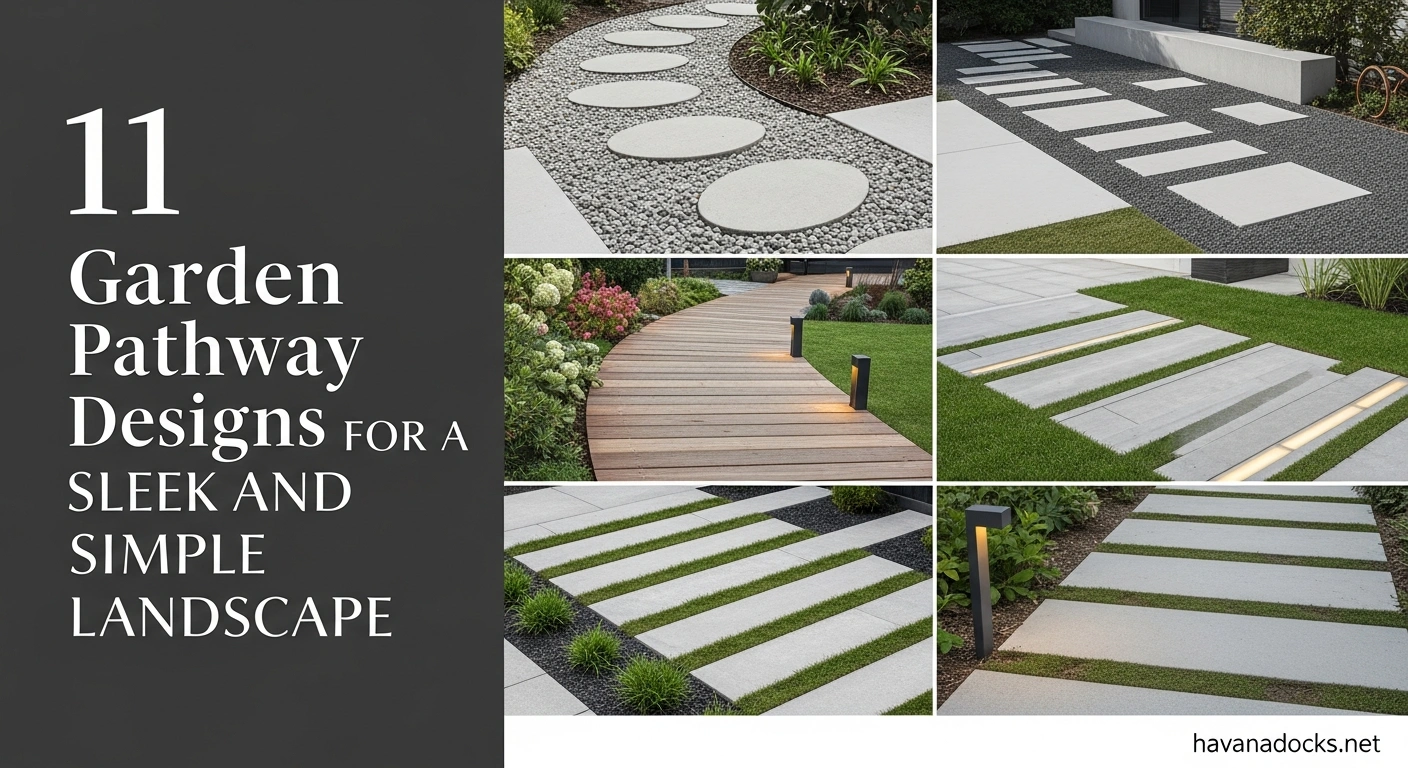
Garden Pathway Designs – Designing a sleek and simple garden pathway is about more than just laying down materials; it’s about creating a journey. It’s about harmonizing functionality with aesthetics to create a space that is both visually appealing and practical. Let’s explore eleven garden pathway designs that embrace minimalism and elegance. These designs will focus on pathway designs using gravel lines, the timeless beauty of stepping stones, and the understated charm of minimalist patterns.
Embracing Simplicity: The Core of Sleek Garden Pathway Design
A sleek and simple garden pathway design philosophy centers on the principle that less is more. Overly ornate or complex designs can often detract from the natural beauty of the garden, creating visual clutter and disrupting the sense of tranquility. Instead, a minimalist approach emphasizes clean lines, geometric forms, and a limited palette of materials to create a refined and uncluttered aesthetic. This doesn’t mean sacrificing personality or style; rather, it means carefully curating each element to contribute to a cohesive and harmonious design.
The choice of materials plays a crucial role in achieving a minimalist aesthetic. Natural materials like stone, gravel, and wood are often favored for their inherent beauty and ability to blend seamlessly with the surrounding landscape. Concrete, with its clean lines and smooth surface, also works well in more modern minimalist settings. When it comes to color, neutral tones such as grays, whites, and browns are often preferred, as they create a sense of calm and sophistication. However, pops of color can be incorporated through carefully chosen plants and accessories.
Beyond materials, the arrangement of elements is also key to creating a sleek and simple pathway. Avoid overly intricate layouts or busy patterns. Instead, opt for a simple, straightforward path that guides the eye naturally through the garden. Consider the scale and proportion of the pathway in relation to the surrounding landscape. A pathway that is too wide or too narrow can feel out of proportion and disrupt the overall balance of the design.
Finally, don’t forget the importance of lighting. Subtle, low-level lighting can enhance the beauty of the pathway at night, creating a welcoming and inviting atmosphere. By embracing simplicity and carefully considering each element, you can create a garden pathway that is both functional and aesthetically pleasing. Remember the importance of the core elements: pathway designs using gravel lines, strategically placed stepping stones, and well-defined minimalist patterns.
Gravel Pathways: The Epitome of Understated Elegance
Gravel pathways offer a subtle yet sophisticated way to navigate your garden. The soft texture and natural color variations of gravel create a visually appealing surface that complements a variety of garden styles. Gravel offers good drainage, which helps to prevent water from pooling on the path and reduces the risk of slipping. It’s also a relatively low-maintenance material that requires minimal upkeep. Choosing the right type of gravel is essential for achieving the desired look and functionality. Pea gravel, with its smooth, rounded stones, is a popular choice for its comfortable feel underfoot and its attractive appearance. Crushed gravel, with its angular edges, provides a more stable and durable surface that is less likely to shift or spread.
When installing a gravel pathway, it’s important to prepare the base properly to ensure a stable and long-lasting surface. Begin by excavating the area to a depth of several inches, removing any topsoil or vegetation. Next, install a layer of landscape fabric to prevent weeds from growing up through the gravel. Then, add a layer of crushed stone or gravel as a base, compacting it firmly to create a solid foundation.
Finally, spread a layer of pea gravel or crushed gravel over the base, leveling it out with a rake. You can accentuate the gravel pathway with flanking elements, such as planting beds or edging. Planting beds filled with lush greenery can soften the edges of the pathway and create a more inviting atmosphere. Edging materials such as stone, brick, or metal can help to define the pathway and prevent the gravel from spreading into the surrounding landscape.
Pathway designs using gravel lines offer a cost-effective and visually appealing solutions. Gravel pathways can be easily customized to fit any garden style and are a great option for creating a natural and inviting space. Consider using different sizes and colors of gravel to create interesting patterns and textures. With proper installation and maintenance, a gravel pathway can provide years of enjoyment and enhance the beauty of your garden. The simplicity of gravel accentuates the other elements.
Exploring Different Gravel Types and Textures
The beauty of gravel pathways lies in their versatility. Numerous types of gravel are available, each offering unique characteristics in terms of color, texture, and size. Pea gravel, as mentioned, is loved for its smooth, rounded shape, making it comfortable to walk on barefoot. Its neutral color palette blends seamlessly with most garden landscapes. Crushed gravel, with its jagged edges, interlocks to create a more stable and durable surface, ideal for pathways that will endure frequent foot traffic. Decomposed granite, a finely textured gravel, provides a smooth, almost sandy surface that is perfect for creating a minimalist aesthetic.
The texture of the gravel also plays a significant role in the overall look and feel of the pathway. Fine gravel creates a more refined appearance, while coarser gravel adds a more rustic and natural touch. Experimenting with different sizes of gravel can also create interesting visual effects. Combining larger and smaller stones can add depth and dimension to the pathway, while using a single size of gravel can create a more uniform and minimalist look. When choosing gravel, consider the drainage properties of the material. Gravel with good drainage will prevent water from pooling on the surface, reducing the risk of slipping and preventing weeds from growing.
Ultimately, the best type of gravel for your pathway will depend on your personal preferences and the desired aesthetic. Consider the overall style of your garden, the amount of foot traffic the pathway will receive, and the drainage properties of the gravel before making a decision. Don’t be afraid to experiment with different types of gravel to find the perfect fit for your space. Pathway designs using gravel lines are highly adaptable, so this is a perfect space to start.
Using Gravel Lines to Define Pathway Edges
One of the most effective ways to enhance the aesthetic appeal of a gravel pathway is to use contrasting materials to define its edges. This can be achieved by creating pathway designs using gravel lines, strategically using a contrasting element to create a crisp and clean border. These lines can be subtle or dramatic, depending on the desired effect. One popular option is to use stone edging to create a visual separation between the gravel pathway and the surrounding landscape. Stone edging can be made from a variety of materials, including natural stone, brick, or concrete, each offering a unique texture and color.
Another option is to use metal edging to create a more modern and minimalist look. Metal edging, such as steel or aluminum, provides a clean, straight line that contrasts beautifully with the natural texture of the gravel. Metal edging also has the advantage of being durable and long-lasting, requiring minimal maintenance. Plantings can also be used to define the edges of a gravel pathway. Low-growing plants, such as creeping thyme or sedum, can create a soft, organic border that complements the natural look of the gravel. Taller plants, such as ornamental grasses or shrubs, can create a more dramatic border that provides privacy and visual interest.
Regardless of the material you choose, it’s important to install the edging correctly to ensure a clean and professional look. The edging should be level with the surface of the gravel and should be securely anchored to prevent it from shifting or moving. Consider the overall style of your garden when choosing edging materials. Natural stone edging works well in more traditional or rustic gardens, while metal edging is better suited for modern or minimalist gardens. Plantings can be incorporated into any garden style to create a soft, organic border.
Maintaining Gravel Pathways for Longevity
Gravel pathways, while relatively low-maintenance, require regular upkeep to maintain their appearance and functionality. Weeds are a common nuisance in gravel pathways, as they can quickly sprout up between the stones and detract from the overall aesthetic. Regularly pulling weeds by hand or using a weed preventer can help to keep the pathway looking clean and tidy. Over time, gravel pathways can settle and become uneven, especially in areas with heavy foot traffic. Adding a fresh layer of gravel can help to restore the pathway to its original level and prevent tripping hazards.
Gravel pathways can also become compacted and lose their drainage capacity over time. Raking the gravel regularly can help to loosen it up and improve drainage. Consider using a leaf blower to remove debris and leaves from the pathway. Fallen leaves can accumulate on the surface of the gravel, creating a damp and slippery surface. Cleaning the pathway regularly can help to prevent the growth of mold and mildew and keep the pathway looking its best.
Maintaining pathway designs using gravel lines can be simple: a broom, a rake, and occasional weeding go a long way. By following these simple maintenance tips, you can keep your gravel pathway looking beautiful and functional for years to come. The beauty of gravel pathways lies in their simplicity and natural appearance. With proper care, a gravel pathway can provide a safe and inviting space to enjoy your garden for many years to come. Regular maintenance ensures functionality and aesthetic appeal.
Stepping Stone Pathways: Natural Simplicity Underfoot
Stepping stone pathways are a timeless classic, loved for their natural beauty and understated elegance. They offer a simple and effective way to navigate your garden while adding a touch of rustic charm. Stepping stones can be made from a variety of materials, including natural stone, concrete, and wood, each offering unique characteristics in terms of texture, color, and durability. Natural stone stepping stones, such as flagstone or slate, are prized for their inherent beauty and ability to blend seamlessly with the surrounding landscape. Concrete stepping stones offer a more modern and minimalist look, with clean lines and smooth surfaces.
Wood stepping stones, such as cedar or redwood, add a warm and inviting touch to the garden, creating a rustic and natural feel. Choosing the right size and shape of stepping stones is essential for creating a comfortable and functional pathway. Stepping stones should be large enough to provide a stable and secure footing, but not so large that they overcrowd the pathway. The shape of the stepping stones can also affect the overall look and feel of the pathway. Irregularly shaped stepping stones create a more natural and organic look, while symmetrically shaped stepping stones create a more formal and structured look.
When installing a stepping stone pathway, it’s important to consider the spacing between the stones. The spacing should be comfortable for walking, allowing you to easily step from one stone to the next without having to stretch or strain. The spacing can also affect the overall look and feel of the pathway. Closely spaced stepping stones create a more dense and continuous pathway, while widely spaced stepping stones create a more open and airy pathway. Incorporating plants around stepping stones can further enhance their natural beauty and create a more inviting atmosphere.
Low-growing plants, such as creeping thyme or moss, can soften the edges of the stepping stones and create a seamless transition between the pathway and the surrounding landscape. The strategic placement and arrangement contribute to the overall design, so thoughtful planning is crucial. As with gravel, consider the core elements of stepping stones and how they integrate with pathway designs using gravel lines and minimalist patterns.
The Art of Spacing and Arrangement
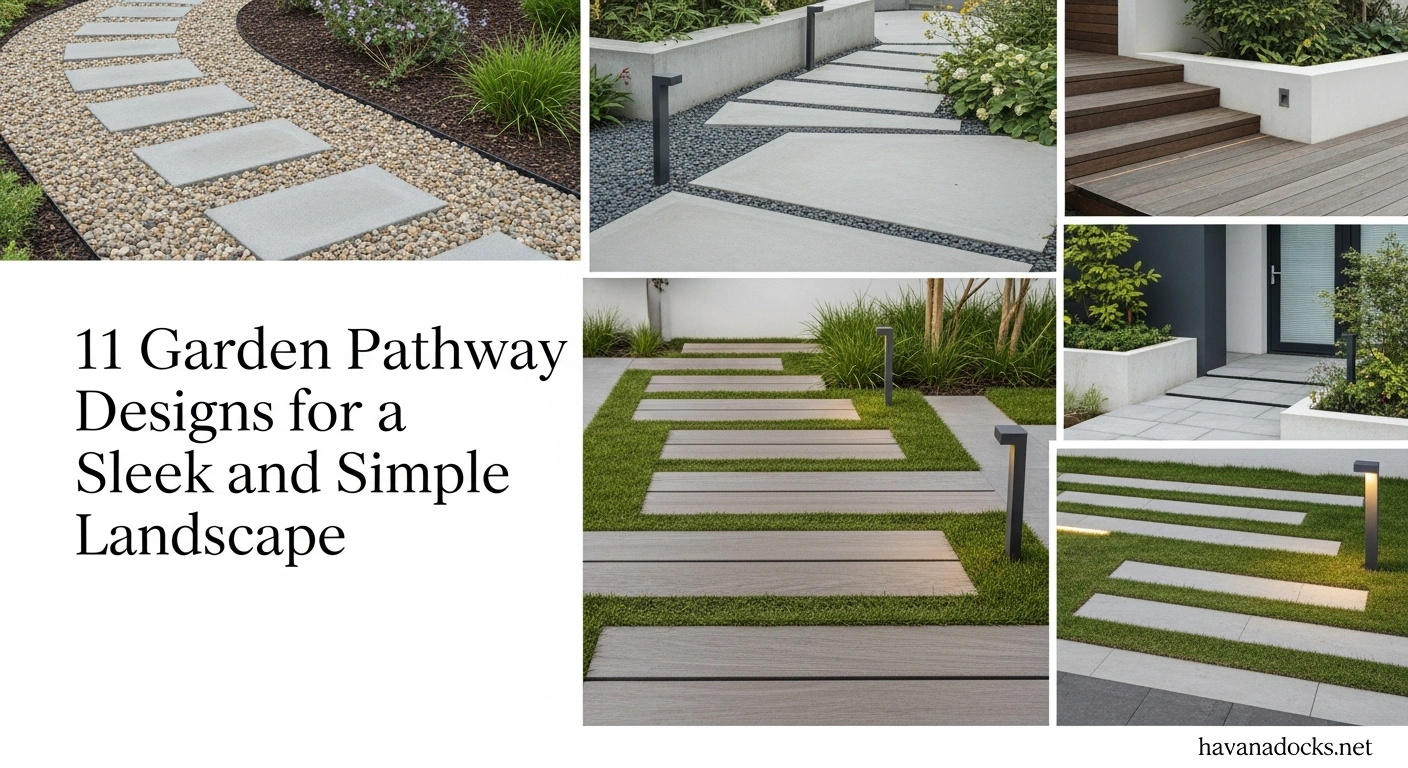
The spacing and arrangement of stepping stones have a significant impact on the functionality and aesthetics of the pathway. Consistent spacing typically provides a predictable and comfortable walking experience. Staggered arrangement can add visual interest and a sense of whimsy. The ideal spacing depends on the average stride length of the users and the overall aesthetic you are trying to achieve. A good rule of thumb is to space the stepping stones about 24 to 30 inches apart, allowing for a comfortable stride.
Consider the shape of the stepping stones when determining their arrangement. Irregularly shaped stepping stones can be arranged in a more free-flowing and organic manner, while symmetrically shaped stepping stones can be arranged in a more formal and structured pattern. Mixing different shapes and sizes of stepping stones can also create a visually interesting and dynamic pathway. It can create a more visually interesting composition. Stepping stones placed closely together create a denser pathway, more suitable for a formal garden. Widely-spaced stepping stones create a more relaxed atmosphere, fitting beautifully into a natural landscape.
Visual appeal is not the only aspect to consider; it should have an ease of navigation. The stepping stones should be placed where a person would naturally step. Test out your design as you lay the stones to ensure a comfortable and intuitive walking experience. Always prioritize function before finalizing the placement of each individual stone. This will create a beautiful and functional garden pathway. This arrangement exemplifies how stepping stones are a crucial element of garden design. Keep in mind that the minimalist patterns should complement the spacing of the stones.
Material Choices: Stone, Concrete, and Beyond
The beauty of stepping stone pathways lies in their versatility, with a wide range of materials to choose from, each offering unique aesthetic and functional properties. Natural stone, such as flagstone, is a popular choice for its inherent beauty and ability to blend seamlessly with the natural surroundings. Flagstone stepping stones come in a variety of colors and textures, allowing you to create a pathway that complements your garden’s overall style. Concrete stepping stones offer a more modern and contemporary look, with clean lines and smooth surfaces. Concrete stepping stones can be cast in a variety of shapes and sizes, allowing you to create a pathway that is both functional and visually appealing.
Another option to explore is recycled materials. Recycled concrete stepping stones offer a sustainable and eco-friendly option, while adding a unique texture and visual appeal. Wood stepping stones, such as cedar or redwood, add a warm and inviting touch to the garden, creating a rustic and natural feel. Wood stepping stones should be treated with a sealant to protect them from the elements and prevent rot. Tile stepping stones are very durable, resistant to staining, and come in an overwhelming variety of aesthetic choices.
When choosing stepping stone materials, consider the overall style of your garden, the amount of foot traffic the pathway will receive, and the climate in your area. Natural stone is a durable and long-lasting option that is well-suited for a variety of climates. Concrete stepping stones are a more affordable option that is also durable and easy to maintain. Wood stepping stones require more maintenance than stone or concrete, but offer a unique and natural look.
Consider the surrounding plants and materials to create a harmonious aesthetic. Explore the advantages and disadvantages of each material choice before starting your pathway project. Choosing the right material guarantees it contributes towards the sleek garden design; remember the central element of using stepping stones strategically.
Planting Around Stepping Stones: Softening the Edges
Incorporating plants around stepping stones can transform a simple pathway into a lush and inviting garden feature. Softening the edges of the stepping stones with greenery creates a seamless transition between the pathway and the surrounding landscape, enhancing the natural beauty of the garden. Low-growing plants, such as creeping thyme, sedum, or moss, are excellent choices for planting around stepping stones. These plants create a soft, textural carpet that complements the natural texture of the stones.
Taller plants, such as ornamental grasses or ferns, can be used to create a more dramatic effect, adding height and visual interest to the pathway. When choosing plants for around stepping stones, consider their growth habits, sunlight requirements, and water needs. Select plants that are well-suited to your local climate and soil conditions to ensure their long-term health and vigor. Consider the spacing between the stepping stones when selecting plants. Closely spaced stepping stones can be surrounded by low-growing plants, while widely spaced stepping stones can accommodate taller plants.
Adding plants between stepping stones creates a picturesque and inviting walkway. The selection, placement, and maintenance should all be carefully considered. Consider the overall style of your garden when choosing plants for around stepping stones. Native plants, such as wildflowers or ferns, create a natural and informal look, while more cultivated plants, such as roses or hydrangeas, create a more formal and structured look. The pathway designs using gravel lines can be integrated here, using the lines to define planting areas around the stepping stones.
Minimalist Patterns: Clean Lines and Geometric Forms
Minimalist patterns in garden pathway designs embrace clean lines, geometric forms, and a limited palette of materials to create a refined and uncluttered aesthetic. This approach emphasizes simplicity and functionality, allowing the natural beauty of the garden to take center stage. Straight lines and right angles are often used to create a sense of order and structure. Simple geometric shapes, such as squares, rectangles, and circles, are incorporated to add visual interest without overwhelming the design. Repetition and symmetry are common elements, creating a sense of balance and harmony.
The choice of materials plays a crucial role in achieving a minimalist aesthetic. Concrete, with its clean lines and smooth surface, is a popular choice for minimalist pathway designs. Natural stone, such as flagstone or slate, can also be used to create a minimalist look, as long as the shapes and patterns are kept simple and uncluttered. Gravel can be used to fill in the spaces between paving stones or to create a contrasting border around the pathway.
The color palette is typically limited to neutral tones, such as grays, whites, and browns, creating a sense of calm and sophistication. Pops of color can be incorporated through carefully chosen plants or accessories, but these should be used sparingly to avoid detracting from the overall minimalist aesthetic.
The key to creating a successful minimalist pathway design is to focus on simplicity and functionality. Avoid overly ornate or complex patterns. Instead, opt for a simple, straightforward path that guides the eye naturally through the garden. Consider the scale and proportion of the pathway in relation to the surrounding landscape. A pathway that is too wide or too narrow can feel out of proportion and disrupt the overall balance of the design. Minimalist patterns ensure the area is not too busy.
Grid Patterns: Order and Symmetry
The grid pattern is a fundamental element of minimalist design. Its clean lines, perfect angles, and undeniable sense of order can transform a garden pathway into a statement of modern elegance. Creating a grid pathway involves arranging paving materials – typically square or rectangular stone or concrete slabs – in a precise checkerboard or grid layout. Each element is meticulously aligned, creating a sense of visual harmony and uncluttered sophistication. Accuracy in laying out the grid is crucial. Slight misalignments can disrupt the overall effect and detract from the clean aesthetic.
The grid pattern offers countless opportunities for customization. Different sizes and subtly varied colors of pavers can be incorporated to create visual interest without sacrificing the minimalist aesthetic. Gravel can also be incorporated into the grid. Placing gravel between the pavers adds texture and contrast, transforming the pathway into a focal point of sensory delight, with the gravel adding interest to an otherwise uniform scene. The pathway designs using gravel lines are particularly effective when used in conjunction with a grid pattern, providing definition and visual separation.
The functionality of a grid pattern is often overlooked, but it is fundamental to achieving a streamlined aesthetic. This pattern guides people through the garden with precision and intention. Each grid element promises and provides a solid, stable foothold. The key to a successful grid pathway is finding the right balance between aesthetic appeal and functional design. It contributes a lot to the overall appeal and beauty of the minimalist design philosophy.
Linear Designs: Guiding the Eye
Linear pathway designs offer a simple yet effective way to guide the eye and create a sense of movement in the garden. These designs typically feature long, straight lines of paving stones or gravel that run parallel to each other, creating a sense of depth and perspective. The direction of the lines can be used to draw the eye towards a focal point in the garden, such as a statue, a water feature, or a beautiful planting bed. Linear designs can also be used to create a sense of separation between different areas of the garden, such as a lawn and a flower bed.
This design is a powerful tool for creating a sense of order and structure in the garden. The straight lines and parallel arrangement create a sense of visual harmony and symmetry. This type of design is very functional to navigate throughout the garden; people are guided along a clear and concise path. Linear designs can be varied and still look sleek and simple within their aesthetic. Try changing the width and/or material, and add contrasting details throughout the garden.
The linear pathways use minimalist patterns with a few design elements that create a sophisticated, orderly look. The length and width of the pathways also contribute to the visual perspective of the garden. They use linear design to complement the existing architectural features of the space. Consider adding a row of low plants to soften the edges of the pathways. Try different textures to create interest and definition throughout the space.
Asymmetrical Arrangements: Intentional Imbalance
While minimalism often implies symmetry and balance, incorporating asymmetrical arrangements into garden pathway designs can create a sense of dynamic tension and visual interest. Asymmetrical arrangements involve placing paving stones or stepping stones in an irregular pattern, intentionally deviating from the traditional symmetrical layout. This can create a sense of movement and spontaneity, adding a touch of whimsy to the minimalist aesthetic.
The key to creating a successful asymmetrical pathway design is to maintain a sense of balance despite the lack of symmetry. This can be achieved by carefully considering the size, shape, and placement of each paving stone in relation to the others. Using a variety of sizes and shapes of paving stones can create a more visually interesting and dynamic design. Asymmetrical arrangements offer a unique aesthetic that adds character to the space. The placement and spacing are key.
It should be arranged in a way that is still functional and easy to navigate. Intentional disarray will not create any confusion for those walking throughout the garden. Asymmetrical placements create visual drama with interesting patterns. Incorporating a variety of different materials in the design is a great way to complement the visual appeal. Consider the long term impact of the asymmetrical design. Does it look unbalanced? Always prioritize functionality within the overall design.
Incorporating Negative Space: The Power of What’s Not There
In minimalist garden design, the use of negative space – the empty areas surrounding the pathway elements – is just as important as the design elements themselves. Strategically incorporating negative space can enhance the sense of spaciousness, create visual contrast, and draw attention to the beauty of the pathway itself. Negative space can be created by using a minimal number of paving stones or stepping stones, leaving ample space in between them. Using gravel or mulch to fill in the spaces between the stones can also create a sense of negative space, as the texture and color of these materials contrast with the solid surface of the stones.
One great idea is to surround the pathways with plants of different heights and textures, leaving open areas on either side of the pathway. Negative space can enhance the sense of spaciousness within a space. It draws attention to the elements and highlights them more than one might think. This can be beneficial in small gardens where the goal is to maximize the sense of space. The intentional application of negative space offers a sleek and modern look.
Effective negative space relies on a well-defined design. The balance between space and design elements must be complementary. A harmonious and well-balanced garden that is visually appealing is not hard to achieve when considering both the space and design elements in the plan from the beginning. Negative space offers a minimalist pattern that still offers visual complexity. The pathway designs using gravel lines can emphasize the negative space around the stones.
Enhancing Minimalist Pathways with Lighting and Accessories
The appeal of a sleek and simple garden pathways is enhanced when there is strategically placed lighting and thoughtfully, elegant accessories that complement the aesthetic. Lighting is crucial for the ambience of a space. The lighting and well-placed accessories offer an outdoor space with charm and visual appeal. Choosing lighting in minimalist pathway designs involves considering both the practicality and the aesthetic impact. Solar lights are a very sustainable, budget-friendly option that don’t require wiring and consume very little energy. Lighting should ensure the visual appeal of the walkways after dark.
Accessories can greatly enhance the minimalist aesthetic. Planters are a simple way to add texture and plant life to brighten any space. Select planters that offer clean lines and minimalist design. Sculpture is also a great accessory that draws attention to the design. Sculptures should flow seamlessly with the surrounding designs and emphasize an aesthetic. Seating along these pathways is a functional element that creates an inviting experience for the garden and space. Remember: the goal is to select a design that flows.
Remember that pathway designs using gravel lines, stepping stones, and minimalist patterns are all enhanced by lighting and accessories.
The Role of Subtle Lighting
Lighting the minimalist pathway designs emphasizes the subtle aesthetic. Soft, diffused lighting is very inviting and creates an enchanting experience. Path lighting emphasizes the design without being overwhelming. Soft lighting highlights the edges of pathways without dominating the design. Lights that offer brightness at eye level or higher should be avoided as they might be distracting to those experiencing the garden.
Subtle lighting has many benefits: it offers a safer walkway as brightness improves visibility; it highlights the design of the garden and landscape; it improves the ambience of the space for those spending time in the garden; finally, subtle accent lights increase the visual appeal of the entire landscape. Choose lights that are subtle and energy efficient. Solar lighting is a great option. Stringing lights throughout the pathways will help to increase the subtle illumination of the space. The light fixtures and their placement will add personality to the garden.
Choosing the Right Planters and Accents
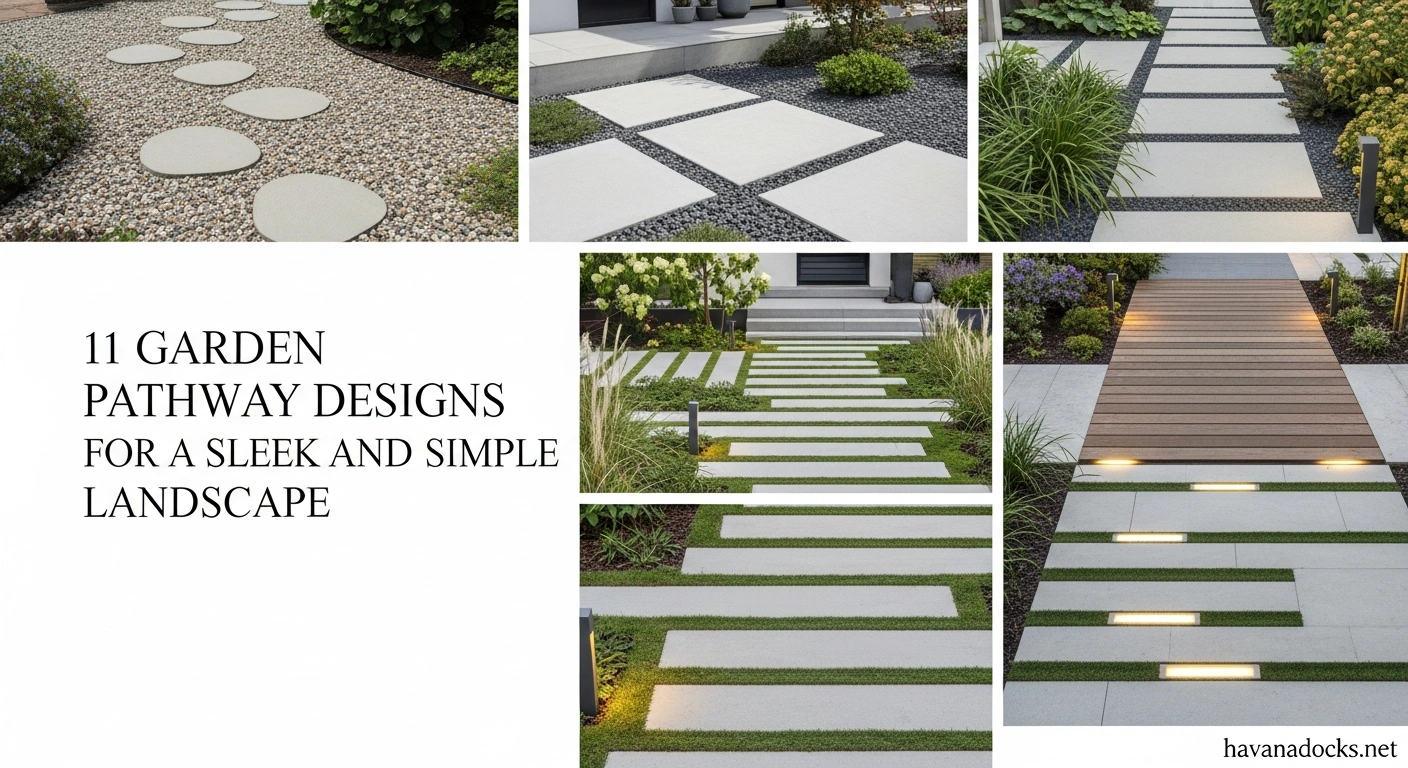
Selecting the right types of planters and accents is crucial to maintaining the minimalist aesthetic of your pathway. As mentioned before: clean, simple lines are always aesthetically great to look at when designing a minimalist design. Neutral color planters often complement the greens and color throughout the garden while not overwhelming the rest of the space. Selecting planters depends on what plants will be in the planter; design the pathways so the plants are a feature piece.
Accents such as rocks, pebbles, and other features are an affordable way to complete a pathway design. Try sculptural pieces that add depth and character to the space. Avoid materials that are overwhelming or draw too much attention. The right planters and accents should enhance the existing design style and complement the walkway and the plants themselves.
Accessories are the exclamation point to the pathway design. Be intentional and don’t overdo it. The goal is a functional space and a calm and relaxing design. Ensure the accessories and planters are durable too; the more durable, the easier the space will be to maintain. Minimalist patterns are enhanced and defined by planters and accents.
Integrating Water Features for Tranquility
The sound of water adds more tranquility to any of the minimalist garden pathway designs. Water features enhance the aesthetic of a quiet, calm, and peaceful space. A strategically placed bird bath adds more elegance to the design, while attracting local birds to the outdoor sanctuary. Small wall fountains complement narrow pathways and make use of vertical space.
Water features should not overwhelm the entire garden; find a balance. Balance the sizes of the water features with the surrounding size of the space. Lighting throughout the water areas emphasize character and the beauty in your garden. Incorporating native plants or water plants around the water features creates an ecosystem that offers visual delight and peace.
The water features should complement the minimalist designs of the garden. The water brings life and energy to this simple but elegant space. Be intentional with the design choices around water; they will add to the space more than one might think when initially considering the design. The features can amplify stepping stones and visually enhance pathway designs using gravel lines.
Conclusion
In conclusion, creating a sleek and simple garden pathway does not require elaborate designs or expensive materials. The key is to embrace minimalism, focusing on clean lines, geometric forms, and a limited palette of materials that complement the natural beauty of your garden. Whether you opt for gravel pathways, stepping stone pathways, or pathways with minimalist patterns, remember to prioritize functionality, balance, and harmony in your design.
By incorporating subtle lighting, carefully chosen accessories, and strategically placed water features, you can transform a simple pathway into a tranquil and inviting space that enhances the overall aesthetic of your garden. Remember to keep those core elements in mind: pathway designs using gravel lines, the natural beauty of stepping stones, and the peaceful elegance of minimalist patterns.