11 Minimalist Garden Decor Ideas to Refresh Your Outdoor Space
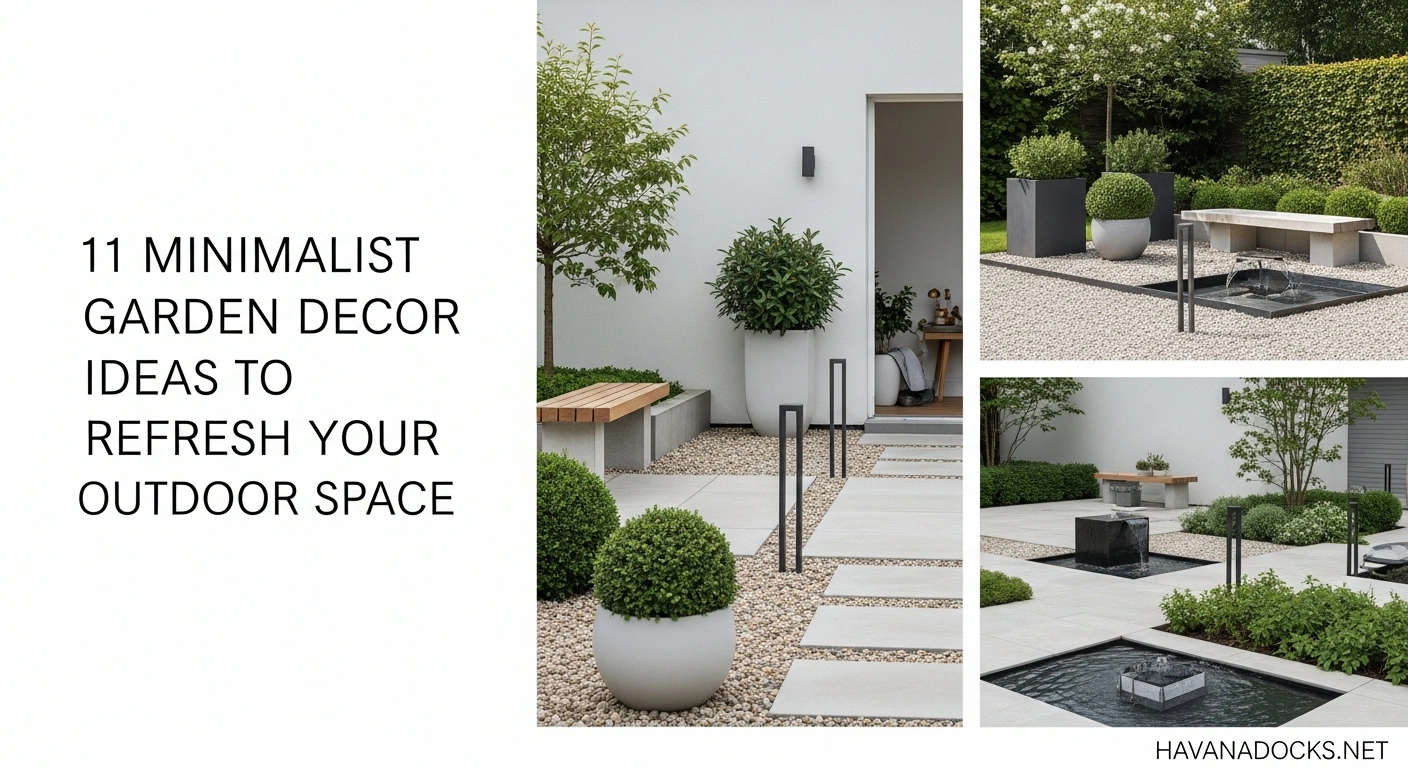
Minimalist Garden Decor Ideas – This guide will explore 11 minimalist garden decor ideas that focus on refreshing your outdoor space. We’ll emphasize minimalist garden accents using stones, simple plants, and clean arrangements to create a stylish and peaceful oasis.
Embracing Simplicity: The Core Principles of Minimalist Garden Design
Minimalism in garden design isn’t about emptiness but about thoughtful curation. It’s about creating a space that feels intentional, serene, and connected to nature. Key principles include:
- Less is More: This is the cornerstone of minimalist design. Focus on the essential elements and avoid unnecessary additions. Decluttering your garden and removing excess ornamentation are crucial first steps. Assess what truly contributes to the overall aesthetic and functionality of the space and eliminate the rest. This could involve removing excessive decorations, reducing the number of different plant species, or simplifying the layout. This principle ensures that each element has breathing room and its beauty can be fully appreciated.
- Clean Lines and Geometric Shapes: Incorporating clean lines and geometric shapes brings order and structure to the garden. Think rectangular planters, straight pathways, and neatly trimmed hedges. This can be achieved by using materials like concrete, metal, or wood in their simplest forms. Geometric designs in paving, such as squares or rectangles, create a sense of order and visual appeal. The use of repeated shapes and patterns adds a subtle sophistication to the minimalist garden.
- Neutral Color Palette: A muted color palette creates a calming and sophisticated atmosphere. Grays, whites, browns, and greens form the foundation of the minimalist garden. Pops of color can be introduced sparingly through flowering plants or carefully chosen accessories, but the overall emphasis should remain on neutral tones. The restrained use of color helps to highlight the textures and forms of the plants and materials. Avoid overly bright or contrasting colors that can disrupt the sense of calm and simplicity.
- Focus on Texture: With a limited color palette, texture becomes a key element in adding visual interest and depth. Combine smooth surfaces like polished concrete with rough textures like natural stone or textured foliage. Using a variety of textures prevents the garden from feeling flat and monotonous. Consider using grasses with different textures, such as fine-leaved fescues or bolder reeds. The interplay of light and shadow on these textures enhances the garden’s visual appeal.
- Functionality is Key: Minimalist design prioritizes functionality. Every element should serve a purpose and contribute to the usability of the space. Avoid purely decorative items that don’t add value or function. Consider how you want to use your garden and design accordingly. This might mean incorporating comfortable seating areas, designated spaces for dining or relaxing, or practical storage solutions. The focus on functionality ensures that the garden is not only beautiful but also a usable and enjoyable space.
By adhering to these principles, you can create a minimalist garden that is both visually stunning and deeply relaxing. It’s a space where you can escape the stresses of everyday life and reconnect with nature in a simple and meaningful way.
Idea 1: Stone Pathways and Stepping Stones
Minimalist garden accents using stones are an excellent way to introduce natural texture and create functional pathways. Instead of traditional paving, consider using large, flat stones or gravel pathways for a more organic and minimalist feel.
- Choosing the Right Stones: Opt for stones that complement your overall color palette. Gray, beige, and dark brown stones work well in minimalist gardens. The size and shape of the stones should be consistent for a more cohesive look. Consider using different sizes of gravel for pathways and larger, flat stones for stepping stones. Materials like slate, granite, or limestone are suitable choices and ensure durability.
- Creating a Pathway: Design a simple, straight pathway or a gently curving one. Make sure the stones are level and stable to ensure safe passage. Consider using edging materials like metal or wood to define the pathway and prevent gravel from spreading. The pathway should lead to a specific destination, such as a seating area or a focal point in the garden. Properly installed pathways will serve as both a functional element and also visually organize your garden.
- Stepping Stone Arrangements: Arrange stepping stones in a visually appealing pattern through a lawn or gravel bed. Ensure the stones are spaced comfortably for walking and are securely set into the ground. Irregularly shaped stones can add a touch of naturalness to the design. Consider planting low-growing ground cover between the stones to soften the edges and create a more integrated look. The use of stepping stones encourages exploration and adds a playful element to the minimalist garden.
- Benefits of Stone Pathways: Stone pathways are durable, low-maintenance, and blend seamlessly with the natural environment. They provide good drainage and can help prevent soil erosion. Natural stone is also a sustainable material that can last for many years. The texture of the stones adds visual interest and creates a connection to the earth. Stone pathways enhance the overall aesthetic of the garden and create a sense of tranquility and calm.
Stone pathways and stepping stones offer a simple yet effective way to incorporate natural elements into your minimalist garden. Their aesthetic appeal and functional value contribute to a serene and uncluttered outdoor space.
Idea 2: Simple Greenery: Grasses and Ground Covers
Simple plants are crucial for creating a minimalist garden. Focus on greenery like ornamental grasses and ground covers to create texture and movement without overwhelming the space.
- Ornamental Grasses: Ornamental grasses add movement and sound to the garden. Choose varieties like Feather Reed Grass (Calamagrostis x acutiflora ‘Karl Foerster’) or Japanese Forest Grass (Hakonechloa macra) for their elegant forms and low-maintenance nature. These grasses sway gently in the breeze, creating a calming and serene atmosphere. Consider planting them in masses for a dramatic effect or as single specimens to highlight their unique shape. Grasses provide year-round interest, with their foliage transitioning through different colors and textures as the seasons change.
- Low-Maintenance Ground Covers: Ground covers like creeping thyme (Thymus serpyllum), sedum (Sedum spp.), or pachysandra (Pachysandra terminalis) can create a lush green carpet while suppressing weeds. These plants require minimal care and provide a uniform texture to the garden. They are also excellent for filling in gaps between stepping stones or along pathways. Ground covers help to stabilize the soil and prevent erosion, making them a practical and aesthetic addition to the minimalist garden. Choose varieties that are well-suited to your local climate and soil conditions.
- Creating Green Carpets: Use large patches of ground cover to create a sense of unity and simplicity. Avoid mixing too many different species to maintain a clean and uncluttered look. Consider using a single species of ground cover for a large area to create a striking visual effect. Green carpets create a calming and restful atmosphere and provide a backdrop for other elements in the garden. They also help to reduce the amount of maintenance required, as they suppress weed growth and retain moisture in the soil.
- Benefits of Simple Greenery: Simple greenery offers a variety of benefits, including low maintenance, drought tolerance, and aesthetic appeal. They add texture, movement, and color to the garden without requiring a lot of attention. Greenery also helps to improve air quality and provide habitat for wildlife. The use of simple greenery is essential for creating a minimalist garden that is both beautiful and sustainable.
Incorporating simple greenery like grasses and ground covers into your minimalist garden provides a calming, low-maintenance foundation that enhances the overall sense of tranquility and harmony.
Idea 3: Clean Arrangement of Potted Plants
Clean arrangements of potted plants can add greenery and structure to your minimalist garden without overwhelming the space. Choose simple, geometric containers and a limited number of plant varieties for a cohesive look.
- Selecting the Right Containers: Opt for pots made of concrete, terracotta, or metal in neutral colors. Geometric shapes like squares, rectangles, and circles complement the minimalist aesthetic. Ensure the pots have good drainage to prevent waterlogging. The size of the pots should be proportional to the plants and the surrounding space. Consider using a variety of sizes to create visual interest. The choice of containers plays a significant role in the overall minimalist design.
- Choosing Simple Plant Varieties: Stick to a limited number of plant species to maintain a clean and uncluttered look. Succulents, ferns, and evergreen shrubs are excellent choices. These plants offer a variety of textures and shapes while requiring minimal maintenance. Avoid plants with overly showy flowers or variegated foliage. The focus should be on the form and texture of the plants rather than their color. Simple plant varieties create a calming and restful atmosphere in the minimalist garden.
- Arranging Potted Plants: Group potted plants in clusters to create focal points. Use varying heights and sizes to add visual interest. Consider arranging plants along pathways, on patios, or near seating areas. The arrangement should be balanced and harmonious, with each plant complementing the others. Avoid overcrowding the plants, as this can detract from the minimalist aesthetic. The arrangement of potted plants is an important element in creating a cohesive and visually appealing garden.
- Benefits of Potted Plants: Potted plants offer flexibility and portability. They can be easily moved around to create different looks or to protect them from harsh weather. They also allow you to grow plants that might not be suitable for your local soil conditions. Potted plants add a touch of greenery and life to hardscapes like patios and decks. The use of potted plants is a simple and effective way to add interest and beauty to your minimalist garden.
Carefully chosen and arranged potted plants offer a versatile and visually appealing way to introduce greenery and structure into your minimalist garden, while maintaining a clean and uncluttered aesthetic.
Idea 4: Water Feature with a Minimalist Design
A minimalist water feature can add a sense of tranquility and serenity to your garden. Choose a simple design with clean lines and minimal ornamentation.
- Simple Fountains: A simple fountain made of concrete, stone, or metal can be a striking focal point. Opt for a design with clean lines and a minimalist aesthetic. Avoid overly decorative fountains with elaborate carvings or ornamentation. The sound of water is calming and relaxing, creating a sense of peace in the garden. Consider placing the fountain near a seating area or pathway to enhance the overall ambiance.
- Reflecting Pools: A shallow reflecting pool can create a sense of depth and tranquility. The still water reflects the sky and surrounding greenery, creating a sense of endlessness. Use dark-colored lining to enhance the reflective quality of the water. Keep the pool free of debris to maintain its pristine appearance. Reflecting pools are especially effective in small gardens, as they create the illusion of more space.
- Water Bowls: Simple water bowls can be used to create small, intimate water features. Choose bowls made of concrete, stone, or metal in neutral colors. Add a few simple rocks or water plants to enhance the aesthetic. Water bowls are easy to install and maintain, making them a great option for minimalist gardens. Consider placing them on patios, near pathways, or in quiet角落 of the garden.
- Benefits of Minimalist Water Features: Minimalist water features add a sense of tranquility and serenity to the garden. The sound of water is calming and relaxing, creating a peaceful atmosphere. Water features also attract wildlife, such as birds and butterflies. The simple designs of minimalist water features complement the overall aesthetic of the garden. They are also relatively low-maintenance, requiring minimal upkeep.
A carefully chosen minimalist water feature can be a stunning addition to your garden, adding a touch of serenity and sophistication without disrupting the clean and uncluttered aesthetic.
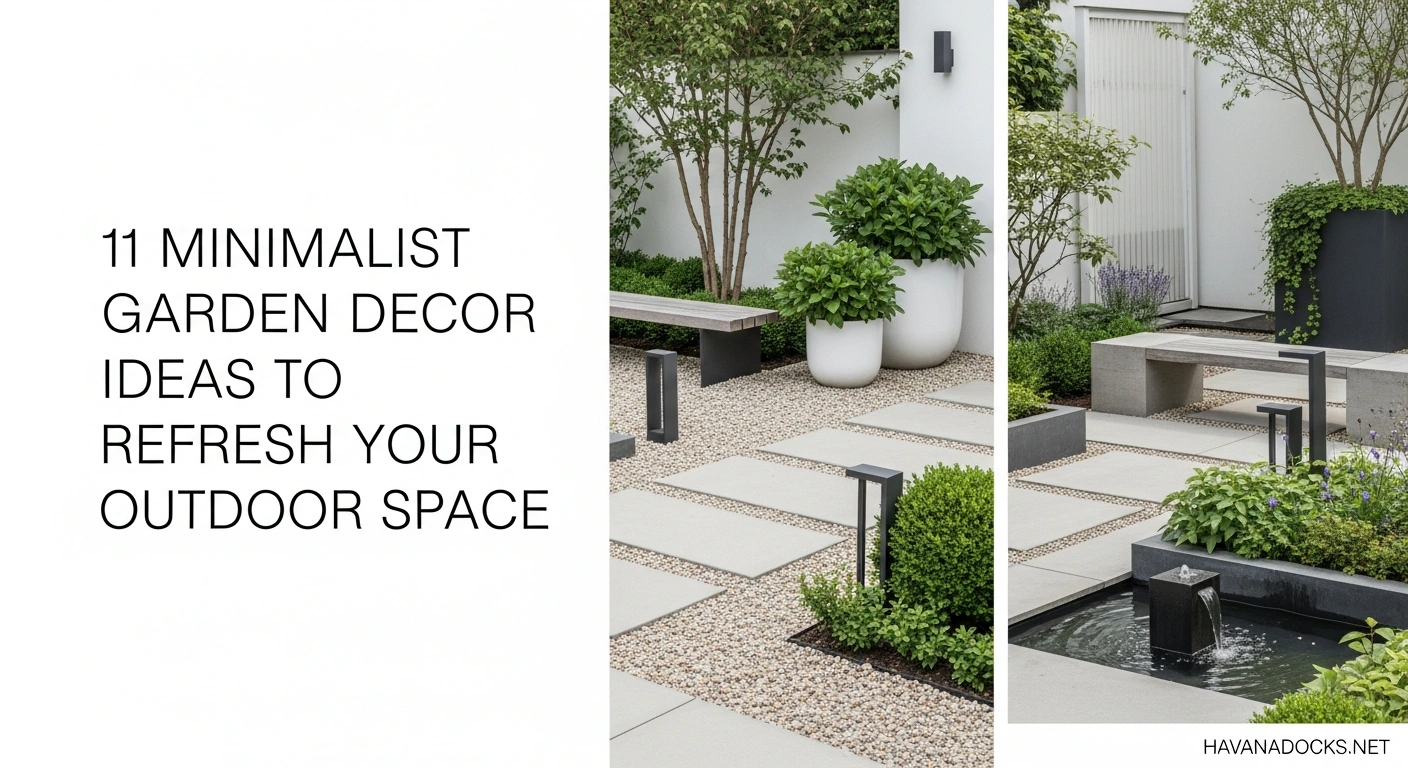
Idea 5: Gravel Gardens: Low-Maintenance and Stylish
Gravel gardens are a low-maintenance and stylish way to create a minimalist landscape. Use gravel as a mulch to suppress weeds and create a uniform texture.
- Choosing the Right Gravel: Select gravel in neutral colors like gray, beige, or white. The size of the gravel should be consistent for a more cohesive look. Different types of gravel can be used to create different textures and effects. Consider using pea gravel, crushed stone, or decomposed granite. The choice of gravel will depend on your personal preferences and the overall aesthetic of the garden.
- Creating a Gravel Bed: Prepare the soil by removing weeds and debris. Spread a layer of landscape fabric to prevent weeds from growing through the gravel. Add a layer of gravel several inches thick. Use edging materials to define the gravel bed and prevent it from spreading. Gravel beds are a great way to create pathways, seating areas, or planting beds.
- Planting in Gravel Gardens: Choose plants that thrive in well-drained soil and require minimal watering. Succulents, grasses, and drought-tolerant perennials are excellent choices. Arrange the plants in a simple and uncluttered manner. Use rocks and stones to add visual interest and create a naturalistic look. The plants should complement the gravel and the overall minimalist design.
- Benefits of Gravel Gardens: Gravel gardens are low-maintenance, drought-tolerant, and stylish. They suppress weeds, conserve water, and add texture to the landscape. Gravel gardens are also a great way to create pathways and seating areas. The minimalist aesthetic of gravel gardens complements the overall design of the garden. They are also relatively easy to install and maintain.
Gravel gardens provide a practical and aesthetically pleasing solution for minimalist garden design, offering a low-maintenance and stylish landscape that emphasizes simplicity and natural beauty.
Idea 6: Concrete Pavers and Pathways
Using concrete pavers in minimalist garden design provides clean lines, structural integrity, and a modern aesthetic. Their versatility allows for the creation of pathways, patios, and even integrated seating areas that complement the overall minimalist theme.
- Selecting Concrete Pavers: Choose large format pavers for a sleek, modern look. Consider colors like gray, charcoal, or even a light beige to maintain a neutral palette. The size of the pavers can significantly impact the garden’s visual appeal; larger pavers tend to create a more expansive and seamless feel. Be sure the pavers are slip-resistant, especially if they will be used in areas prone to moisture.
- Designing Pathways with Pavers: Straight pathways create a sense of order and direction. A minimalist approach involves laying the pavers in a simple, repeating pattern, such as a linear or grid arrangement. Ensure the pathway is wide enough for comfortable walking. You can also incorporate gaps between the pavers and fill them with gravel or low-growing ground cover to soften the edges and add a touch of nature.
- Creating Patios with Pavers: Extend the minimalist aesthetic to your patio by using concrete pavers to create a clean, uncluttered outdoor living space. Arrange the pavers in a simple pattern and consider adding a concrete fire pit or minimalist outdoor furniture to complete the look. The patio should seamlessly blend with the surrounding garden, creating a cohesive and inviting space.
- Benefits of Concrete Pavers: Concrete pavers are durable, low-maintenance, and versatile. They provide a stable and attractive surface for pathways and patios. Their clean lines and neutral colors complement the minimalist aesthetic. Concrete is also a sustainable material that can be recycled. The use of concrete pavers can enhance the overall design of the garden and create a modern and functional outdoor space.
Idea 7: Feature a Single Specimen Tree
In minimalist garden design, the strategic placement of a single, striking specimen tree serves as a focal point, drawing the eye and providing a sense of scale and structure.
- Selecting the Right Tree: Choose a tree with an interesting form, such as a Japanese Maple (Acer palmatum) or a Weeping Willow (Salix babylonica). Consider the mature size of the tree and ensure it will not overcrowd the space. The tree should also be well-suited to your local climate and soil conditions. Deciduous trees can provide seasonal interest with their changing foliage, while evergreen trees offer year-round greenery.
- Strategic Placement: Position the tree in a location where it will have the greatest impact. This could be in the center of the garden, at the end of a pathway, or near a seating area. Ensure the tree has enough space to grow and that its roots will not damage any nearby structures. Consider the tree’s shadow pattern and how it will affect the surrounding plants.
- Underplanting: Underplant the tree with a simple ground cover or mulch to create a clean and uncluttered look. Avoid adding too many other plants, as this can detract from the tree’s prominence. Consider using a low-growing ground cover like creeping thyme or sedum. Mulch can also help to retain moisture in the soil and suppress weeds.
- Benefits of a Specimen Tree: A specimen tree adds visual interest, structure, and scale to the garden. It can also provide shade and attract wildlife. The tree serves as a focal point, drawing the eye and creating a sense of tranquility. The careful selection and placement of a specimen tree can significantly enhance the overall design of the garden.
Idea 8: Minimalist Outdoor Lighting
Outdoor lighting in a minimalist garden should be functional and subtle, enhancing the space without overwhelming it. The goal is to create a soft, inviting ambiance that highlights key features and provides safety and security.
- Recessed Lighting: Recessed lighting is a great option for illuminating pathways and patios without creating a strong visual presence. Install the lights flush with the ground to minimize their impact. These lights provide a subtle glow that enhances safety and highlights the clean lines of the minimalist garden.
- Uplighting: Uplighting can be used to highlight specimen trees, sculptures, or architectural features. Place the lights at the base of the object and direct the light upwards. This creates a dramatic effect that draws the eye and adds depth to the garden. Use low-wattage LED lights to conserve energy and avoid light pollution.
- String Lights: String lights can add a touch of whimsy to a minimalist garden without disrupting the overall aesthetic. Use string lights with small, warm white bulbs and hang them in a simple pattern. String lights are perfect for creating a cozy atmosphere on patios or in seating areas.
- Benefits of Minimalist Outdoor Lighting: Minimalist outdoor lighting enhances the beauty and functionality of the garden. It provides safety and security, highlights key features, and creates a welcoming ambiance. The careful selection and placement of outdoor lighting can significantly enhance the overall design of the garden.
Focus on Warm White Light
Warm white light creates a cozy and inviting atmosphere, while cool white light can feel harsh and sterile. Choose LED bulbs with a color temperature of around 2700-3000K for a warm, natural look.
Use Motion Sensors for Security
Motion sensor lights can provide added security without being constantly illuminated. Install them in areas where you need extra light, such as near entrances or along pathways.
Idea 9: Sculptural Accents with Natural Materials
Minimalist garden accents don’t have to be elaborate. Instead, focus on adding a few carefully chosen sculptural elements made from natural materials, such as wood, stone, or metal.
- Driftwood Sculptures: Pieces of driftwood found along the beach or riverbank can be repurposed into unique and eye-catching sculptures. The natural shapes and textures of driftwood add a touch of rustic charm to the minimalist garden. Place the sculptures on pedestals, in gravel beds, or near water features to create a focal point.
- Stone Cairns: Piles of stacked stones, or cairns, are a simple and elegant way to add a sculptural element to the garden. Cairns are often used as trail markers or to signify sacred places. Create your own cairn using smooth, flat stones and arrange them in a stable and visually appealing pattern.
- Metal Art: Simple metal sculptures, such as geometric shapes or abstract forms, can add a touch of modern elegance to the minimalist garden. Choose sculptures made from Corten steel or weathered metal to complement the natural colors and textures of the garden.
- Benefits of Sculptural Accents: Sculptural accents add visual interest, texture, and personality to the minimalist garden. They can be used to create focal points, define spaces, or simply add a touch of whimsy. The use of natural materials helps to blend the sculptures seamlessly with the surrounding environment.
Consider the Scale of the Sculpture
The size of the sculpture should be proportional to the size of the garden. A large sculpture can overwhelm a small garden, while a small sculpture can get lost in a large garden.
Choose a Sculpture that Complements the Overall Design
The style of the sculpture should match the overall aesthetic of the garden. A modern sculpture might not be appropriate for a traditional garden, and vice versa.
Idea 10: Outdoor Rugs to Define Space
Outdoor rugs can be used to define spaces in your minimalist garden, creating distinct zones for dining, lounging, or relaxing. Choose rugs made from durable, weather-resistant materials that can withstand the elements. Avoid rugs with overly busy patterns or bright colors; instead, opt for simple, neutral designs that complement the minimalist aesthetic.
- Materials: Look for rugs made from materials like polypropylene, jute, or recycled plastic. These materials are durable, easy to clean, and resistant to fading and mildew. Consider the texture of the rug and how it will feel underfoot.
- Colors and Patterns: Stick to neutral colors like gray, beige, or black. Simple geometric patterns or solid colors are also good choices. Avoid rugs with overly complex patterns or bright colors, as these can detract from the minimalist aesthetic.
- Placement: Place the rug under a seating area, dining table, or outdoor kitchen to define the space. Ensure the rug is large enough to accommodate all of the furniture in the area. Consider using multiple rugs to create different zones within the garden.
- Benefits of Outdoor Rugs: Outdoor rugs add comfort, style, and functionality to the minimalist garden. They define spaces, protect patios and decks, and provide a soft surface for walking and relaxing. The careful selection and placement of outdoor rugs can significantly enhance the overall design of the garden.
Use Rug Pads to Prevent Slipping
Rug pads can help to prevent outdoor rugs from slipping and sliding on hard surfaces. They also provide extra cushioning and protect the rug from wear and tear.
Clean Your Rug Regularly
Clean your outdoor rug regularly to remove dirt, debris, and stains. Most outdoor rugs can be cleaned with soap and water or with a garden hose.

Idea 11: Vertical Gardens: Greenery on Walls
Vertical gardens offer a creative and space-saving way to incorporate greenery into your minimalist garden, especially if space is limited. By growing plants vertically on walls or fences, you can add a lush, living element without taking up valuable ground space.
- Choosing a Vertical Garden System: Select a system that suits your space and aesthetic preferences. Options include modular planters, pocket planters, living walls, and trellises. Modular planters are versatile and easy to install, while pocket planters offer a more organic and natural look. Living walls are more complex to install but can create a dramatic and impressive effect. Trellises are a simple and cost-effective way to support climbing plants.
- Selecting Plants for Vertical Gardens: Choose plants that are well-suited to growing vertically and require minimal maintenance. Succulents, herbs, ferns, and trailing plants are excellent choices. Consider the amount of sunlight and water the plants will receive and select varieties that are well-suited to those conditions.
- Installing a Vertical Garden: Follow the instructions provided with your chosen vertical garden system. Ensure the system is securely attached to the wall or fence. Provide adequate drainage to prevent waterlogging. Consider installing an irrigation system to make watering easier.
- Benefits of Vertical Gardens: Vertical gardens add visual interest, greenery, and texture to the minimalist garden. They also improve air quality, reduce noise pollution, and provide habitat for wildlife. Vertical gardens are a creative and space-saving way to incorporate plants into your outdoor space.
Choose Plants with Similar Watering Needs
Group plants with similar watering needs together to make watering easier.
Prune and Maintain Your Vertical Garden Regularly
Prune and maintain your vertical garden regularly to keep it looking its best. Remove dead or dying leaves and stems and trim back plants that are growing too large.
Conclusion
Creating a minimalist garden that’s both stylish and relaxing is achievable through thoughtful design and careful selection of elements. By focusing on minimalist garden accents using stones, simple plants, and clean arrangements, you can transform your outdoor space into a tranquil haven. Consider incorporating stone pathways, simple greenery, clean potted plant arrangements, minimalist water features, gravel gardens, concrete pavers, specimen trees, subtle lighting, natural sculptural accents, outdoor rugs, and vertical gardens to achieve your desired aesthetic.
Remember to prioritize functionality, simplicity, and a neutral color palette for a truly minimalist outdoor experience. Ultimately, your minimalist garden should be a reflection of your personal style and a space where you can unwind and reconnect with nature in a peaceful and uncluttered environment.