13 Exterior Wall Accent Ideas to Elevate Your Home’s Style
Exterior Wall Accent Ideas – This article explores 13 diverse and inspiring exterior wall accent ideas that will transform your home’s aesthetics. We’ll delve into how to use exterior wall accents with wood panels, embrace the timeless elegance of stone texture, and achieve sleek sophistication with simple modern trims. Whether you prefer rustic charm or contemporary minimalism, you’ll find inspiration to create a captivating exterior that reflects your unique style.
The Enduring Appeal of Wood: Exterior Wall Accents with Wood Panels
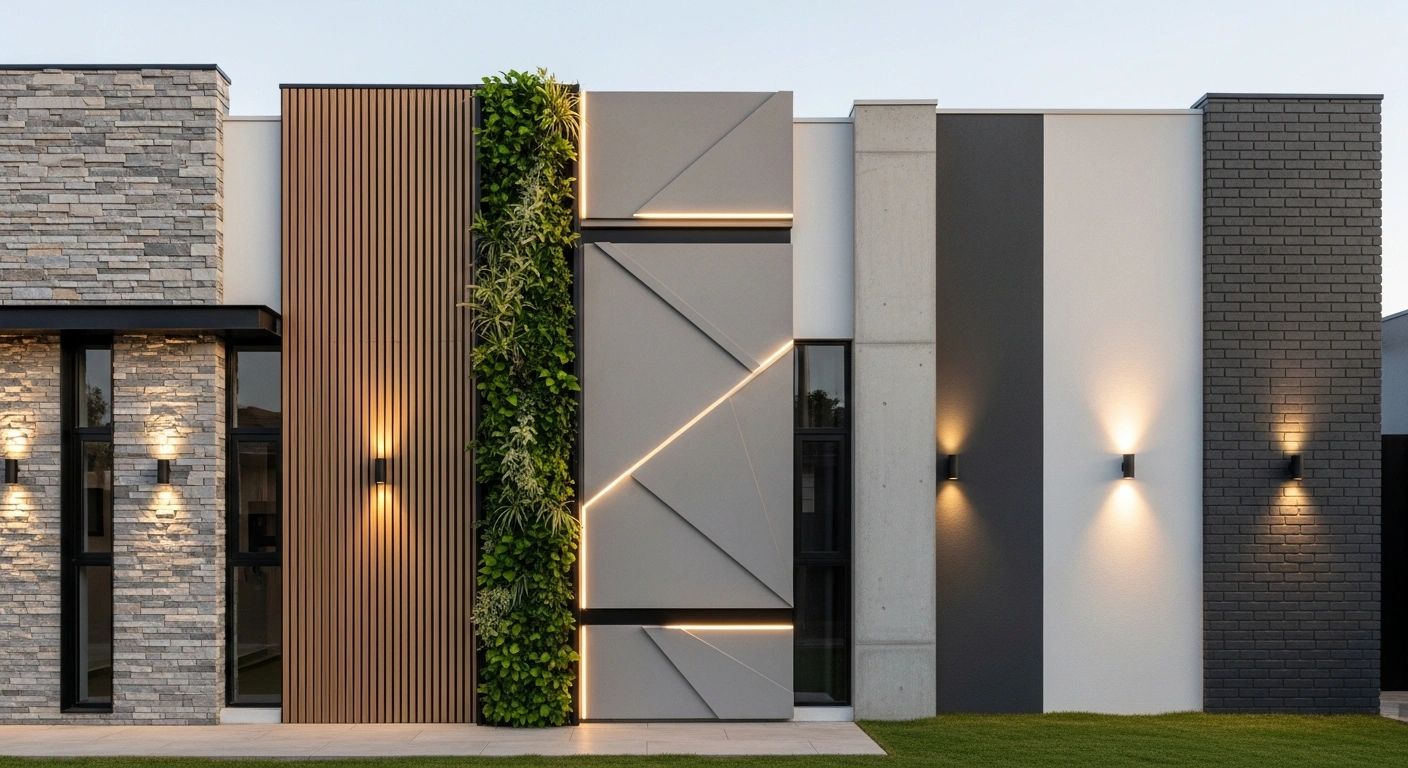
Exterior wall accents with wood panels offer a natural warmth and timeless elegance that can elevate any home’s exterior. The versatility of wood allows for a wide range of design possibilities, from rustic and traditional to sleek and modern. Wood brings a sense of organic beauty, creating a welcoming and inviting atmosphere. Beyond aesthetics, wood accents can also provide insulation and weather protection, making them a practical and stylish choice. Choosing the right type of wood, finish, and installation method is crucial to ensure longevity and maintain the beauty of your wood accents for years to come. Consider the overall architectural style of your home and select wood that complements its existing features.
Wood panels offer a unique way to add depth and dimension to exterior walls. They can be used to highlight specific architectural features, create focal points, or add visual interest to otherwise plain surfaces. Vertical wood siding, for instance, can make a house appear taller, while horizontal siding can visually widen it. The texture and grain of the wood itself add another layer of complexity, creating a dynamic and engaging surface. Furthermore, incorporating different wood species, such as cedar, redwood, or pine, can introduce subtle variations in color and texture, enhancing the overall visual appeal. Think about using reclaimed wood for a rustic and eco-friendly touch, adding character and history to your home’s exterior.
The warmth and natural beauty of wood create a welcoming and inviting ambiance. Wood panels can soften the harshness of brick or concrete, adding a touch of organic charm to the overall design. Light-colored wood, such as birch or maple, can brighten up a dark facade, while darker woods, such as walnut or mahogany, can add a sense of sophistication and drama. Consider the surrounding landscape and choose wood tones that complement the natural environment. The presence of wood inherently connects the home to nature, creating a harmonious and balanced aesthetic. It brings a sense of tranquility and serenity, making the home feel more inviting and relaxing.
The practicality of wood extends beyond aesthetics. It provides natural insulation, helping to regulate temperature and reduce energy costs. Wood also offers a degree of weather protection, shielding the walls from rain, snow, and sun. However, proper maintenance is crucial to ensure the longevity of wood accents. Regular cleaning, staining, and sealing will protect the wood from moisture, rot, and insect infestation. Choosing a durable and weather-resistant wood species, such as cedar or redwood, can also minimize maintenance requirements. When properly cared for, wood accents can last for many years, adding value and beauty to your home. Choosing the correct finish is equally as important.
Exploring Different Wood Panel Styles
The beauty of exterior wall accents with wood panels lies in their versatility. Various styles can be employed to achieve different aesthetic goals. Shiplap siding, with its distinctive overlapping planks, creates a classic and timeless look. Board and batten siding, characterized by vertical boards with thin strips of wood (battens) covering the seams, offers a rustic and visually interesting texture. Tongue and groove siding, known for its tight interlocking joints, provides a smooth and seamless appearance. Each style offers a unique aesthetic appeal and can be tailored to suit different architectural designs. Consider the overall style of your home and choose a wood panel style that complements its existing features.
Shiplap siding is a popular choice for adding a touch of coastal charm to exterior walls. Its clean lines and subtle texture create a relaxed and inviting atmosphere. Shiplap can be installed horizontally or vertically, depending on the desired effect. Horizontal shiplap can visually widen a house, while vertical shiplap can make it appear taller. The overlapping planks create shadow lines that add depth and dimension to the wall. Shiplap is often painted in light colors, such as white or gray, to enhance its coastal aesthetic. It pairs well with other natural materials, such as stone or brick, creating a harmonious and balanced exterior design. Consider using shiplap to highlight specific architectural features, such as gables or dormers.
Board and batten siding offers a rustic and visually striking alternative to shiplap. The vertical boards and battens create a strong vertical emphasis, making a house appear taller and more imposing. Board and batten is often used in farmhouse-style homes, but it can also be incorporated into modern and contemporary designs. The texture and shadow lines created by the battens add depth and dimension to the wall. Board and batten can be painted in a variety of colors, from traditional white to bolder hues. Consider using different widths of boards and battens to create a more dynamic and interesting pattern. The robust nature of this style evokes resilience.
Tongue and groove siding provides a smooth and seamless appearance, making it a great choice for modern and contemporary designs. The interlocking joints create a clean and sophisticated look. Tongue and groove can be installed horizontally or vertically, depending on the desired effect. It can be painted or stained in a variety of colors. Tongue and groove is often used in minimalist designs, where its clean lines and simple aesthetic are highly valued. It pairs well with other modern materials, such as metal and glass. Consider using tongue and groove to create a sleek and modern accent wall.
Wood Panel Installation and Maintenance Tips
Successful exterior wall accents with wood panels depend not only on aesthetics but also proper installation and ongoing maintenance. Improper installation can lead to moisture damage, warping, and prematureRotting. Therefore, it’s crucial to follow manufacturer’s instructions carefully and use appropriate materials and techniques. Regular maintenance will protect the wood from the elements and ensure its longevity. Cleaning, staining, and sealing the wood will prevent moisture damage, rot, and insect infestation. Proper preparation and ongoing care are essential for preserving the beauty and integrity of your wood accents. Investing in high-quality materials and professional installation can save you time, money, and headaches in the long run.
Before installing wood panels, ensure that the underlying wall is clean, dry, and structurally sound. Repair any cracks or holes and apply a moisture barrier to protect the wood from dampness. Use stainless steel nails or screws to fasten the wood panels securely to the wall. Proper spacing between panels is essential to allow for expansion and contraction due to temperature and humidity fluctuations. Consider using a breathable sealant to protect the wood from moisture while allowing it to breathe. Consult with a professional contractor for advice on the best installation techniques for your specific climate and location. Paying attention to detail during installation will ensure the longevity and performance of your wood accents.
Regular cleaning is essential for maintaining the beauty of wood panels. Use a mild soap and water solution to remove dirt, dust, and grime. Avoid using harsh chemicals or abrasive cleaners, as they can damage the wood finish. Rinse thoroughly with clean water and allow the wood to dry completely. Inspect the wood panels regularly for signs of damage, such as cracks, rot, or insect infestation. Repair any damage promptly to prevent it from spreading. Applying a fresh coat of stain or sealant every few years will protect the wood from the elements and maintain its color and luster. Using a UV-resistant finish will prevent the wood from fading in the sun.
Choosing the right type of wood is crucial for minimizing maintenance requirements. Cedar and redwood are naturally resistant to moisture, rot, and insect infestation, making them excellent choices for exterior applications. Pressure-treated wood is also a durable and long-lasting option. Avoid using softwoods, such as pine, unless they are properly treated and sealed. Consider the climate in your area and choose a wood species that is well-suited to the local weather conditions. Investing in high-quality materials will save you time and money in the long run. Prioritize durability and longevity when selecting materials for your exterior wall accents.
The Budget-Friendly Aspect of Wood Accents
While some exotic woods can be expensive, exterior wall accents with wood panels don’t have to break the bank. Many affordable options are available, such as pine, fir, and engineered wood products. These materials can be stained or painted to achieve the desired look. Reclaimed wood is another budget-friendly option that adds character and history to your home’s exterior. Salvaged wood can be found at salvage yards, antique stores, and online marketplaces. Consider using wood accents strategically to create a focal point without covering entire walls. Small accents can have a big impact on a budget.
Pine and fir are readily available and affordable options for wood accents. They can be stained or painted to match your home’s existing color scheme. Engineered wood products, such as plywood and OSB, are also budget-friendly and can be used to create various patterns and designs. These materials are often treated to resist moisture and rot, making them suitable for exterior applications. Consider using these materials for non-structural accents, such as decorative panels or trim. With careful planning and creativity, you can achieve a stylish and visually appealing exterior without spending a fortune.
Reclaimed wood is a sustainable and budget-friendly option that adds character and charm to any home. Salvaged wood can be found in various forms, such as barn wood, fencing, and old siding. These materials often have a weathered patina that adds to their unique appeal. Reclaimed wood can be used to create rustic accent walls, decorative panels, or even custom-made planters. Sourcing salvaged wood locally can further reduce costs and support local businesses. Using reclaimed wood is a great way to add personality and sustainability to your home’s exterior.
Strategic placement of wood accents can maximize their impact without requiring extensive coverage. A small wood panel accent around a front door or window can create a focal point and add visual interest. Wood trim can be used to highlight architectural features, such as gables or dormers. A small wood-clad section of a wall can add texture and warmth to an otherwise plain facade. By focusing on key areas, you can achieve a significant aesthetic improvement without exceeding your budget. Planning is key.
The Timeless Elegance of Stone: Exterior Wall Accents Featuring Stone Texture
Stone texture brings an enduring elegance and natural beauty to exterior walls, creating a sense of permanence and sophistication. Unlike exterior wall accents with wood panels that radiate warmth, stone injects a sense of raw, earthy beauty. The inherent variations in color, shape, and size of natural stone add depth and dimension to any facade. Stone can be used to create a variety of looks, from rustic and traditional to modern and contemporary. Whether you choose natural stone or manufactured stone veneer, the texture and visual interest of stone accents will enhance your home’s curb appeal and create a lasting impression. Embracing the strength and beauty of stone is embracing timeless design.
Stone accents can be used to highlight specific architectural features. A stone-clad chimney, for example, can become a striking focal point. Stone can also be used to frame windows and doors, adding definition and visual interest. A stone foundation can provide a solid and grounding presence. Consider using stone to create a transition between different materials, such as siding and brick. The versatility of stone allows for endless design possibilities. Explore different stone types, colors, and patterns to find the perfect look for your home. The textures are endless, each offering something unique.
Natural stone offers a unique blend of beauty, durability, and low maintenance. It is naturally resistant to weather, fire, and pests. Stone also provides excellent insulation, helping to regulate temperature and reduce energy costs. However, natural stone can be expensive and heavy, requiring specialized installation techniques. Manufactured stone veneer offers a more affordable and lightweight alternative. Manufactured stone veneer is made from concrete and can be molded to replicate the look and feel of natural stone. It is easier to install and comes in a wide variety of colors, textures, and styles. Both natural stone and manufactured stone veneer can enhance your home’s exterior and add value to your property.
The cost-effectiveness and ease of installation makes manufactured stone veneer an attractive option for many homeowners. This material provides the aesthetic appeal of natural stone at a fraction of the price and is often lighter weight which can reduce installation costs and timeline.
Types of Stone Finishes for Exterior Wall Accents
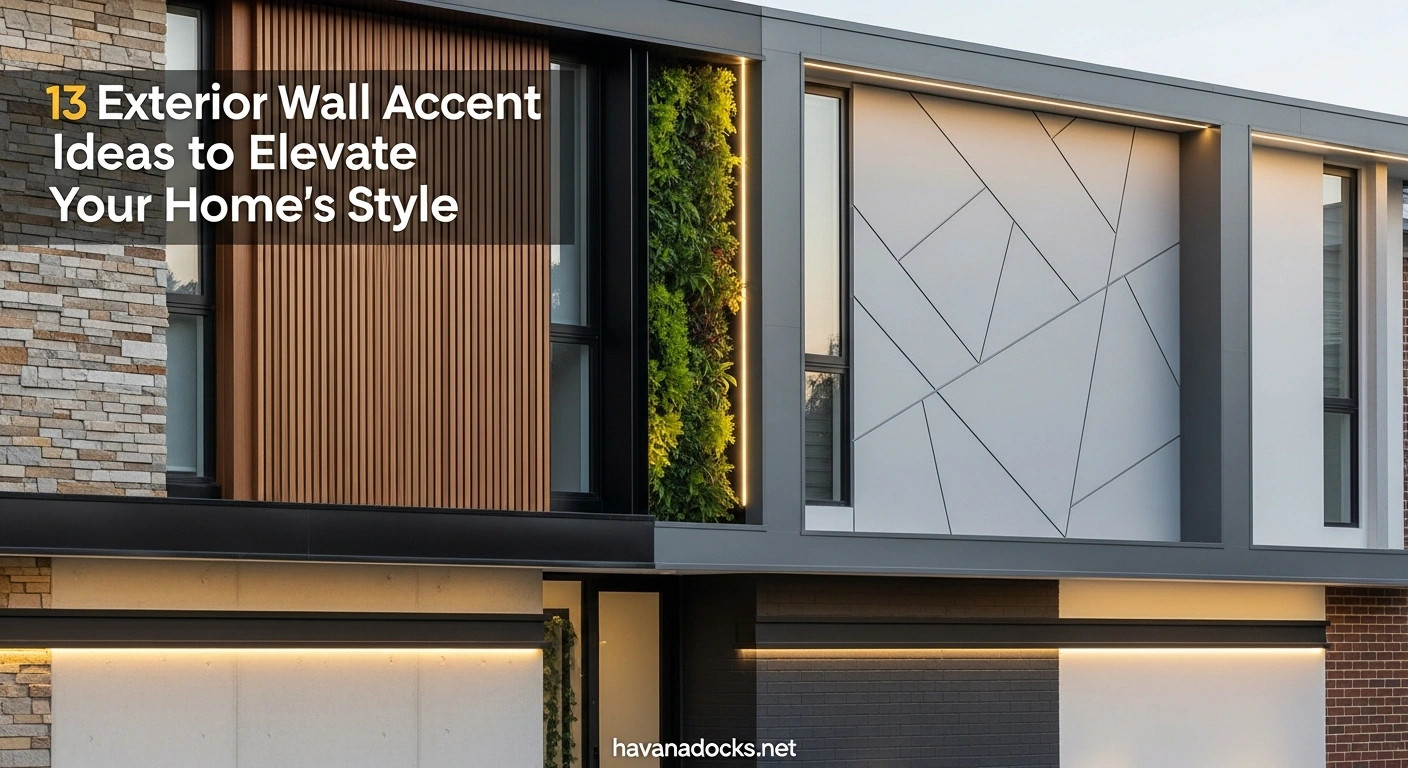
The selection of exterior stone finish can dramatically influence the overall aesthetic of your home. Each finish offers its own unique texture and visual appeal, catering to different tastes and architectural styles.
- Stacked Stone: Stacked stone offers a dynamic and visually stunning aesthetic, characterized by its three-dimensional texture and rugged appearance. This finish creates a sense of depth and dimension, adding a touch of sophistication to any exterior wall. Stacked stone is a great choice for modern and contemporary designs, as well as rustic farmhouse and ranch-style homes. It is often used to create accent walls, fireplace surrounds, and outdoor living areas.
- Ledgestone: Ledgestone is a classic and timeless stone finish that showcases the natural beauty of stone in a refined and elegant way. This finish features thin, horizontal pieces of stone that are carefully arranged to create a smooth and consistent surface. Ledgestone is suitable for both traditional and contemporary designs, making it a versatile choice for any type of home. It is often used to accent walls, entryways, and other architectural features.
- Fieldstone: Fieldstone evokes a sense of rustic charm and natural beauty, showcasing the unique texture and character of irregularly shaped stones. This finish creates a warm and inviting atmosphere, making it a popular choice for country homes and cabins. The irregular shapes and sizes of fieldstones add visual interest and depth to any exterior wall. Fieldstone is often used to create fireplaces, chimneys, and retaining walls.
The stone texture can also be enhanced by the grout styles that are used in installation. This should also be something to keep in mind during finish selection.
Installation Best Practices for Stone Accents
Ensuring correct installation of your stone texture accents is paramount for achieving a lasting and visually pleasing result. Poorly installed stone can lead to moisture damage, structural instability, and an unsightly appearance. Proper preparation, appropriate materials, and adherence to best practices are essential for a successful stone accent project. Whether you’re working with natural stone or manufactured stone veneer, taking the time to do it right will pay off in the long run. The durability of stone is wasted if not installed correctly.
The wall surface must be meticulously prepared before stone installation begins. This process involves cleaning the surface thoroughly, removing any loose debris, and ensuring that the surface is level and structurally sound. Applying a moisture barrier is crucial to protect the wall from water damage and prevent mold growth. Proper surface preparation creates a solid foundation for the stone, ensuring its long-term adhesion and stability. Don’t skip cutting corners on this, or you’ll regret it.
Choosing the right mortar is essential for ensuring a strong and lasting bond between the stone and the wall. Select a mortar specifically designed for stone installation and follow the manufacturer’s instructions carefully. Prior to applying the mortar, pre-moisten the back of each stone to improve adhesion. Apply the mortar evenly to the back of each stone, ensuring complete coverage. Press the stone firmly onto the prepared wall surface and hold it in place for a few seconds to allow the mortar to bond. Remove any excess mortar with a trowel and smooth the grout lines.
Grouting is an important step in the stone installation process that enhances the appearance and durability of the finished product. The grout fills the gaps between the stones, creating a uniform and watertight surface. Select a grout that complements the color and texture of the stone. Apply the grout evenly to the gaps between the stones, using a grout float. Remove any excess grout with a damp sponge and smooth the grout lines. Allow the grout to cure completely before sealing the stone surface. Proper grouting protects the stone from moisture damage and enhances its overall appearance.
Cutting the stone and fitting it into your desired locations will ensure a smooth and consistent look for the wall. It is often necessary to cut stones to fit around corners, windows, doors, and other architectural features. Use a wet saw or angle grinder to cut the stones accurately and safely. Wear safety glasses and gloves when cutting stone to protect yourself from dust and debris. Fit the stones carefully to ensure tight joints and a seamless appearance. Proper cutting and fitting enhance the aesthetic appeal of the stone accent and ensure its long-term structural integrity.
Stone Accent Maintenance: Ensuring Longevity
Maintaining the beauty and longevity of your stone texture accents is crucial for preserving their aesthetic appeal and structural integrity. Regular cleaning and sealing will protect the stone from moisture damage, staining, and fading. Proper maintenance will also prevent the growth of mold and mildew, ensuring a healthy and attractive exterior. Taking the time to care for your stone accents will prolong their lifespan and enhance their value.
Stone surfaces should be cleaned regularly to remove dirt, dust, and grime. Use a soft-bristled brush and a mild soap and water solution to gently scrub the stone surface. Avoid using harsh chemicals or abrasive cleaners, as they can damage the stone finish. Rinse the surface thoroughly with clean water and allow it to air dry. Pressure washing can also be used to clean stone surfaces, but it is important to use a low-pressure setting to avoid damaging the stone. A clean stone surface is more resistant to staining and fading.
Sealing the stone surface is essential for protecting it from moisture damage, staining, and fading. Use a high-quality stone sealer that is specifically designed for exterior applications. Apply the sealer evenly to the stone surface, following the manufacturer’s instructions. Allow the sealer to dry completely before exposing the stone to water or other liquids. Reapply the sealer every few years to maintain its protective properties. Sealing the stone surface will help to preserve its natural beauty and extend its lifespan.
Addressing cracks or damage to your stone wall is important to ensure the integrity of your home. Inspect the stone surface regularly for cracks, chips, and other signs of damage. Repair any damage promptly to prevent it from spreading. Small cracks can be filled with a stone repair compound. Larger cracks may require the replacement of the damaged stone. Consult with a professional stone mason for advice on the best repair methods for your specific type of stone. Addressing damage promptly will prevent further deterioration and maintain the structural integrity of your stone accent.
Simple Modern Trims: Achieving Sleek Exterior Elegance
Simple modern trims offer a clean and sophisticated way to enhance the exterior of your home without overwhelming the architectural design. In contrast to the texture-rich approaches of wood paneling or stone accents, modern trims provide a streamlined and understated elegance. These crisp lines and minimalist details can define edges, frame windows and doors, and add subtle visual interest to otherwise plain surfaces. Choosing the right materials, colors, and profiles is key to achieving a contemporary and cohesive look. With careful planning, simple modern trims can elevate your home’s exterior and create a welcoming and stylish curb appeal.
Modern trims can be used to highlight architectural features, such as gables, dormers, and entryways. They can also be used to create a sense of continuity and flow throughout the exterior design. Consider using trims to define the transition between different materials, such as siding and brick. The versatility of modern trims allows for endless design possibilities. To achieve the most cohesiveness, match the simple modern trims with the right kind of door handles
The characteristics of modern trims go beyond aesthetic appeal. Modern trims offer a number of practical benefits. They can protect edges from damage, seal gaps against moisture and air infiltration, and improve the home’s energy efficiency. Modern trims are also relatively easy to install and maintain. They can be painted or stained to match your home’s color scheme. Consider using durable and weather-resistant materials for your modern trims, such as PVC or aluminum. The combination of beauty and functionality makes modern trims a smart choice for any home.
These qualities also mean it doesn’t have to break the bank to install these kinds of trims. Budget-friendly options are available, so you don’t have to compromise what looks good.
Material Choices for Modern Exterior Trims
The choice of material plays a crucial role in the appearance, durability, and maintenance requirements of your simple modern trims. Different materials offer varying levels of resistance to weather, moisture, and pests. Select materials that are well-suited to your local climate and that complement the overall style of your home. Consider the aesthetic qualities of each material, as well as its long-term performance and ease of maintenance. Investing in high-quality materials will ensure that your modern trims look beautiful and last for many years.
PVC trims are a popular choice for modern exterior applications. PVC is a durable, weather-resistant, and low-maintenance material that can withstand harsh conditions. PVC trims are resistant to rot, mold, and insect infestation. They can be painted or stained to match your home’s color scheme. PVC trims are also relatively lightweight and easy to install. Consider using cellular PVC trims, which are made from recycled materials and have a natural wood-like appearance. The combined durability and versatility of PVC make these trims popular.
Aluminum trims offer a sleek and modern aesthetic. Aluminum is a durable, lightweight, and corrosion-resistant material that is ideal for exterior applications. Aluminum trims can be powder-coated in a variety of colors to match your home’s color scheme. These trims are also relatively easy to install and maintain. Consider using aluminum trims for window and door surrounds, fascia boards, and soffits. The modern aesthetics will truly shine.
Wood trims made from cedar or redwood are a classic choice for adding warmth and character to exterior details. Cedar and redwood are naturally resistant to moisture, rot, and insect infestation, making them excellent choices for exterior applications. These trims can be stained or painted to match your home’s color scheme. Wood trims require regular maintenance, such as cleaning, staining, and sealing, to protect them from the elements. Consider using wood trims for decorative accents, such as corbels and frieze boards. The natural look can make your home pop.
Fiber cement trims are another durable option to go with. Fiber cement is made from a mixture of cement, sand, and cellulose fibers. It looks and feels like wood. Fiber cement exteriors are fire and pest resistance so it provides longevity with great styles for your simple modern trims.
Modern Trim Styles and Profiles
The style and profile of your simple modern trims can dramatically influence the overall aesthetic of your home’s exterior. Different profiles offer varying degrees of visual interest and can be used to create different design effects. Select profiles that complement your home’s architectural style and that enhance its best features. Consider the scale and proportion of the trims in relation to the other elements of the exterior design. Pay attention to detail and choose profiles that reflect your personal taste. With careful planning, you can create a cohesive and stylish exterior that showcases your home’s unique character.
Square and rectangular profiles are a hallmark of modern minimalist design, offering clean lines and a sense of simplicity. These profiles are often used for window and door surrounds, fascia boards, and corner boards. Square and rectangular profiles can be used to define edges and create a sense of order. They pair well with other modern materials, such as metal and glass. Consider using square and rectangular profiles for a sleek and contemporary exterior. The lines add to the modern theme.
Beveled profiles add a touch of sophistication and visual interest to modern trims. Beveled profiles feature a sloping edge that creates a subtle shadow line. These profiles are often used for door casings, window sills, and baseboards. Beveled profiles can be used to soften the edges of sharp corners and add a touch of elegance. They pair well with both traditional and modern architectural styles. Consider using beveled profiles to add a subtle detail to your home’s exterior.
Chamfered profiles offer a more pronounced beveled edge, creating a bolder and more dramatic effect. Chamfered profiles are often used for decorative accents, such as cornices and column capitals. These profiles can be used to highlight architectural features and add a sense of grandeur. Chamfered profiles pair well with traditional and transitional architectural styles. Consider using chamfered profiles to add a touch of drama to your home’s exterior.
A cove profile features concave detailing that creates an element of depth and shadows on your walls or doors. Cove profiles will add elegance to your simple modern trims.
Installation Techniques for Clean Lines
Achieving clean lines and seamless transitions is essential for simple modern trims. Proper installation techniques will ensure that your trims look professional and polished. Careful attention to detail is crucial for achieving a flawless finish. Use the right tools, materials, and techniques to create a visually appealing and durable installation. With meticulous planning and execution, you can transform your home’s exterior with expertly installed modern trims.
Accurate measurements are essential for achieving clean lines and seamless transitions. Measure the areas where you will be installing the trims carefully. Use a level and a straightedge to ensure that your cuts are accurate. Avoid rounding your measurements. Use a sharp saw or a miter saw to make clean, precise cuts. Test the fit of each piece before fastening it to the wall. Proper measurement and cutting are the foundation for a successful trim installation.
The use of construction adhesive is important to ensure the solid construction of your trims. Apply a high-quality construction adhesive to the back of each trim piece before fastening it to the wall. The adhesive will create a strong and permanent bond, preventing the trims from shifting or separating. Be sure to use an adhesive that is compatible with the materials you are using. Follow the manufacturer’s instructions carefully. Applying construction adhesive will enhance the durability and longevity of your trim installation.
Using fasteners is necessary for installation also. Use appropriate fasteners, such as nails or screws, to secure the trims to the wall. Choose fasteners that are compatible with the materials you are using. Space the fasteners evenly to ensure a secure and uniform attachment. Countersink the fasteners slightly below the surface of the trim. Fill the fastener holes with wood putty or caulk before painting or staining. Careful fastening is essential for creating a secure and long-lasting trim installation.
Caulking those gaps is an important final step to prevent water damage! Apply a bead of caulk to all gaps and seams to seal them against moisture and air infiltration. Use a paintable caulk that is compatible with your trim material. Smooth the caulk with a wet finger or a caulk smoothing tool. Wipe away any excess caulk with a damp cloth. Caulking will not only protect your trims from damage but also create a clean and finished look.
Blending Wood, Stone, and Modern Trims for a Cohesive Exterior
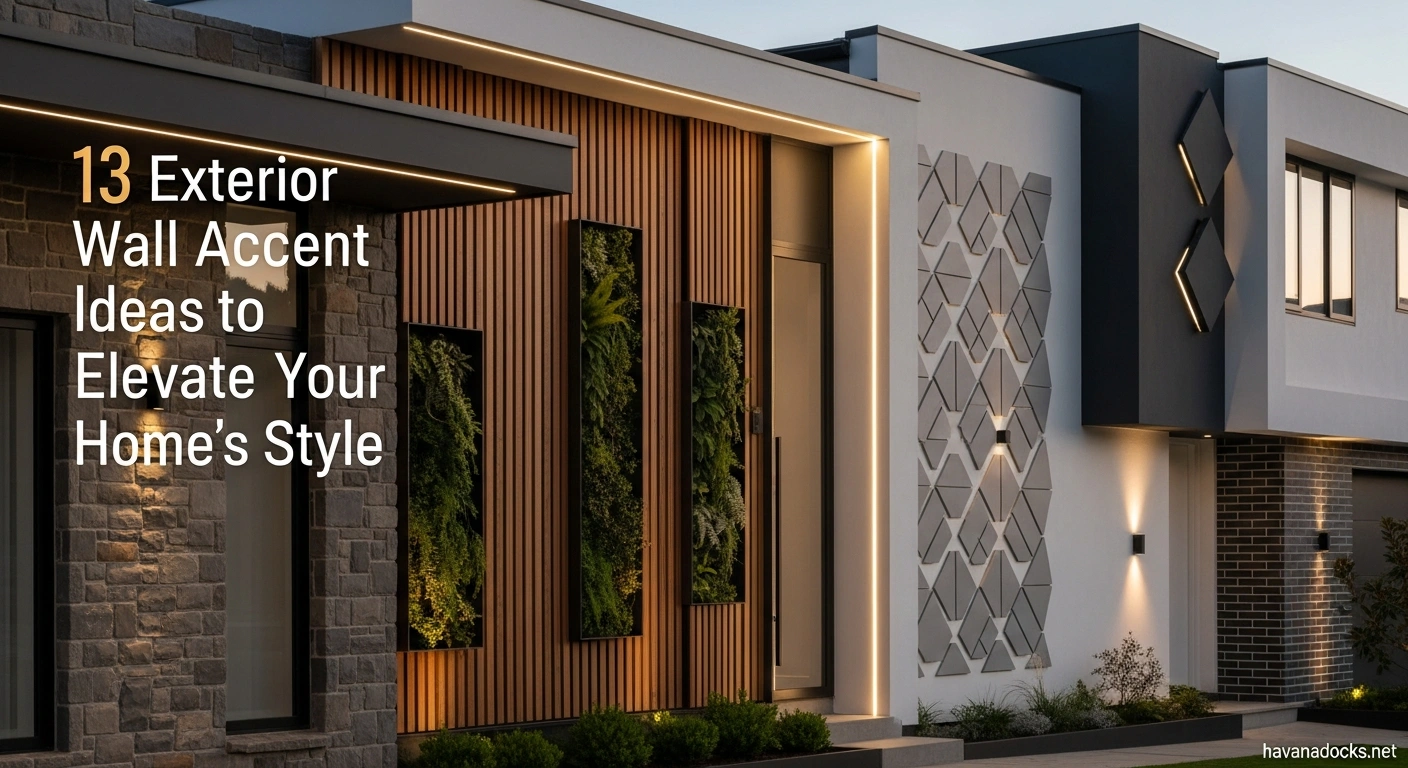
The true artistry lies in seamlessly blending exterior wall accents with wood panels, stone texture, and simple modern trims to create a harmonious and visually stunning exterior. Combining these diverse elements requires careful consideration of color palettes, textures, and proportions. The goal is to achieve a balanced and unified design that reflects your personal style and enhances your home’s architectural character. By strategically incorporating these elements, you can transform your exterior into a captivating masterpiece. This method of exterior design can create unique designs.
Consider coordinating the colors of your wood, stone, and trims to create a cohesive look. Choose a color palette that complements your home’s overall style and its surroundings. Use neutral colors, such as grays, beiges, and whites, to create a subtle and understated aesthetic. Add pops of color with accent elements, such as doors, shutters, or landscaping. Pay attention to the undertones of the different materials to ensure that they harmonize well together. Color coordination is essential for creating a visually pleasing and balanced exterior design.
Blending different textures can add depth and dimension to your home’s exterior. Combine smooth wood panels with rough stone textures to create a contrasting and visually interesting effect. Use modern trims to define edges and create a sense of order. Avoid using too many different textures, as this can create a cluttered and overwhelming look. Focus on creating a balanced and harmonious composition. Textural contrast will add drama and visual appeal to your exterior design.
Proportion and scale are critical factors in determining the success of your exterior design. Ensure that the different elements of your exterior are in proportion to each other and to the overall size of your home. Avoid using oversized or undersized accents that can throw off the balance of the design. Pay attention to the spacing between elements to create a sense of unity and coherence. Proper proportion and scale will enhance the overall aesthetic appeal of your home.
Conclusion
Elevating your home’s exterior style is an investment that pays dividends in curb appeal, personal satisfaction, and even property value. By strategically incorporating exterior wall accents with wood panels, embracing the rugged elegance of stone texture, and achieving clean sophistication with simple modern trims, you can transform your house into a home that truly reflects your style and personality. Remember to consider your home’s architectural style, local climate, and personal preferences when making your design choices. With careful planning and execution, you can create a captivating exterior that welcomes you home every day. Embrace the possibilities and start transforming your exterior today!