
Elevate Your Curb Appeal: 15 Fence Upgrade Ideas
Fence Upgrade Ideas – Upgrading a fence doesn’t have to involve a complete replacement. Often, simple alterations can drastically improve its appearance and functionality. Whether you’re looking to enhance your privacy, boost your security, or simply modernize your exterior, these 15 fence upgrade ideas offer inspiration for projects of all sizes and budgets. From implementing fence upgrades with simple slats to exploring durable coatings, and embracing clean modern lines, we’ll cover various strategies to create a stronger and more stylish exterior.
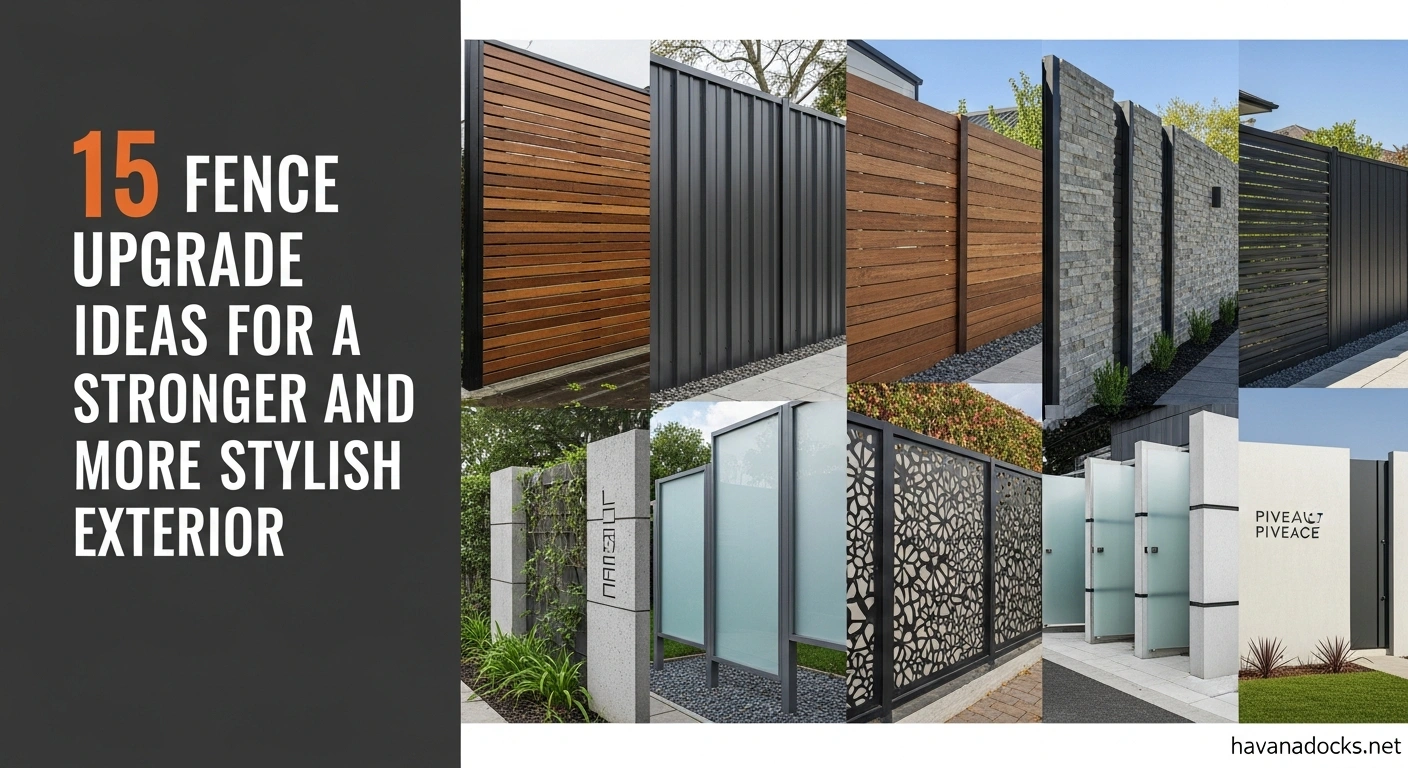
The Power of Simple Slats: Horizontal Fence Design
One of the most popular and impactful fence upgrades involves the arrangement of the slats themselves. Moving away from the traditional vertical picket fence, a horizontal slat design offers a clean, modern aesthetic and can significantly enhance the visual appeal of your property. This design approach emphasizes clean modern lines, providing a contemporary touch that blends seamlessly with various architectural styles.
Achieving a Modern Look with Horizontal Slats
The beauty of horizontal slats lies in their simplicity. The parallel lines create a sense of order and visual width, making your yard feel more expansive. You can customize the look by varying the width and spacing of the slats. Narrower slats spaced closely together will create a more solid, private barrier, while wider slats with wider gaps will offer a more open and airy feel.
Consider the material you choose for your horizontal fence. Wood is a classic choice, offering natural beauty and warmth. Cedar and redwood are particularly popular due to their resistance to rot and insects. However, composite materials are also an excellent option, providing a low-maintenance alternative that mimics the look of wood without the need for regular staining or sealing. Powder-coated aluminum is also gaining in popularity, offering sleek lines and incredible durability.
The installation process for horizontal slats can be a DIY project for experienced homeowners. It typically involves attaching the slats to vertical posts using screws or nails. Ensure the slats are level and evenly spaced for a professional finish. Pre-made horizontal fence panels can also speed up the installation process, offering a convenient and efficient solution.
Furthermore, consider the color palette. Staining or painting your horizontal slat fence in a neutral color like gray, beige, or white can further enhance its modern appeal. Darker stains, such as espresso or black, can create a dramatic and sophisticated look, while lighter stains can provide a more natural and rustic feel. Match the color to your home or the surrounding landscaping to create a cohesive and visually appealing design. The consistent lines of the horizontal slats already bring a sense of peace and cleanliness to the area, so accentuating that will only further the impact of its presence.
Finally, don’t be afraid to experiment with different slat thicknesses and materials. Combining different types of wood or alternating wood with metal accents can create a unique and eye-catching design. Even a slight variation in the slat design can distinguish your fence from others in the neighborhood and showcase your personal style.
Maximizing Privacy with Strategic Slats
Privacy is a major concern for many homeowners, and strategic slat placement can significantly enhance privacy without sacrificing aesthetic appeal. By minimizing the gaps between the slats, you can create a solid barrier that shields your yard from prying eyes. Overlapping slats are an excellent option for those prioritizing seclusion.
When achieving the desired level of privacy, the slat material comes into play. Solid wood slats offer the highest level of privacy due to their opaque nature. However, composite materials can also provide excellent privacy while offering increased durability and low maintenance. Thicker slats will also block more of the outside world.
Consider the height of your fence when maximizing privacy. A taller fence will naturally provide more privacy but could be subject to local regulations. Check with your homeowner’s association or local municipality to ensure your fence complies with all relevant height restrictions and building codes.
Planting shrubs or trees along your fence line can further enhance privacy and create a natural screen. Evergreen shrubs are particularly effective at providing year-round coverage. Choose plants that complement your fence’s design and color, creating a cohesive and visually appealing landscape. Climbers are a beautiful solution as well; they can be trained to create a lush wall of greenery.
Adding lattice panels at the top of the fence can also increase privacy. You may also consider adding a trellis. This will add height while offering a decorative element that can be adorned with climbing plants.
Beyond the physical structure of your fence, consider integrating lighting to enhance privacy at night. Strategically placed lights can illuminate your yard, deterring unwanted visitors and creating a more secure environment. Consider soft landscape lighting to showcase the fence itself and soften the space as a whole.
Blending Functionality and Style with Spaced Slats
If you desire a more open and airy feel, consider using spaced slats. This design allows for airflow and sunlight penetration while still providing a degree of privacy and security. Spaced slats create a visually interesting pattern, casting intriguing shadows throughout the day.
Experiment with different spacing widths to achieve your desired balance of privacy and openness. Wider spaces will create a more open feel, while narrower spaces will offer more privacy. Consider the orientation of your yard and the direction of sunlight when determining the optimal spacing.
Choosing the right material is also crucial for spaced slats. Wood is a popular choice for its natural beauty, while metal offers a sleek and modern look. Consider the maintenance requirements of each material and choose one that aligns with your lifestyle.
Spaced slats can also be used to create unique patterns and designs. Consider alternating slat widths or using different materials to add visual interest. Incorporating decorative elements like metal inserts or geometric shapes can further enhance the design.
Landscaping plays a vital role in blending functionality and style with spaced slats. Planting flowers, shrubs, or vines along the fence line can soften the look and create a natural transition between the fence and your yard.
Using vertical elements in the landscaping can also contrast with the horizontal spaced slats. This can create an even more striking and dynamic visual appeal.
Finally, consider adding a gate to your spaced slat fence. A well-designed gate can enhance the overall aesthetic and provide secure access to your yard. Choose a gate style that complements the fence’s design and incorporates matching materials and hardware.
Durable Coatings: Protecting Your Investment
A fence is constantly exposed to the elements, making durable coatings essential for protecting your investment and extending its lifespan. Choosing the right coating not only enhances the fence’s appearance but also safeguards it against moisture, UV rays, insects, and other potential damage.
Understanding Different Coating Options
Numerous coating options are available, each with its own set of advantages and disadvantages. Understanding the different types of coatings will help you make an informed decision based on your specific needs and preferences.
Paint: Paint is a common and versatile coating option that offers a wide range of colors and finishes. It provides a protective layer against moisture and UV rays, enhancing the fence’s appearance. However, paint can be susceptible to chipping, peeling, and fading, requiring regular maintenance and reapplication.
Stain: Stain is another popular choice, particularly for wood fences. It penetrates the wood, enhancing its natural grain and beauty while providing protection against moisture and UV rays. Stain is available in various shades, from transparent to opaque, allowing you to customize the fence’s appearance. Unlike paint, stain generally doesn’t peel, but it can fade and require periodic reapplication.
Sealant: Sealants are designed to protect wood fences from moisture damage, preventing rot and decay. They typically come in clear or translucent finishes, allowing the wood’s natural color to shine through. Sealants don’t offer the same level of UV protection as paint or stain, so applying a separate UV protectant may be necessary.
Powder Coating: Powder coating is a durable and long-lasting coating option often used for metal fences. It involves applying a dry powder to the metal surface, which is then baked in an oven to create a smooth, even finish. Powder coating is resistant to chipping, scratching, and fading, making it an excellent choice for high-traffic areas or harsh weather conditions.
Waterproof paint: Waterproof paint is a great choice for fence that’s used for security. The paint on this fence is designed to be super durable under extreme wear.
There are pros and cons to each of these methods of coating your fence. Consider which of these best protects your investment depending on the location, environment, and potential wear of your fence.
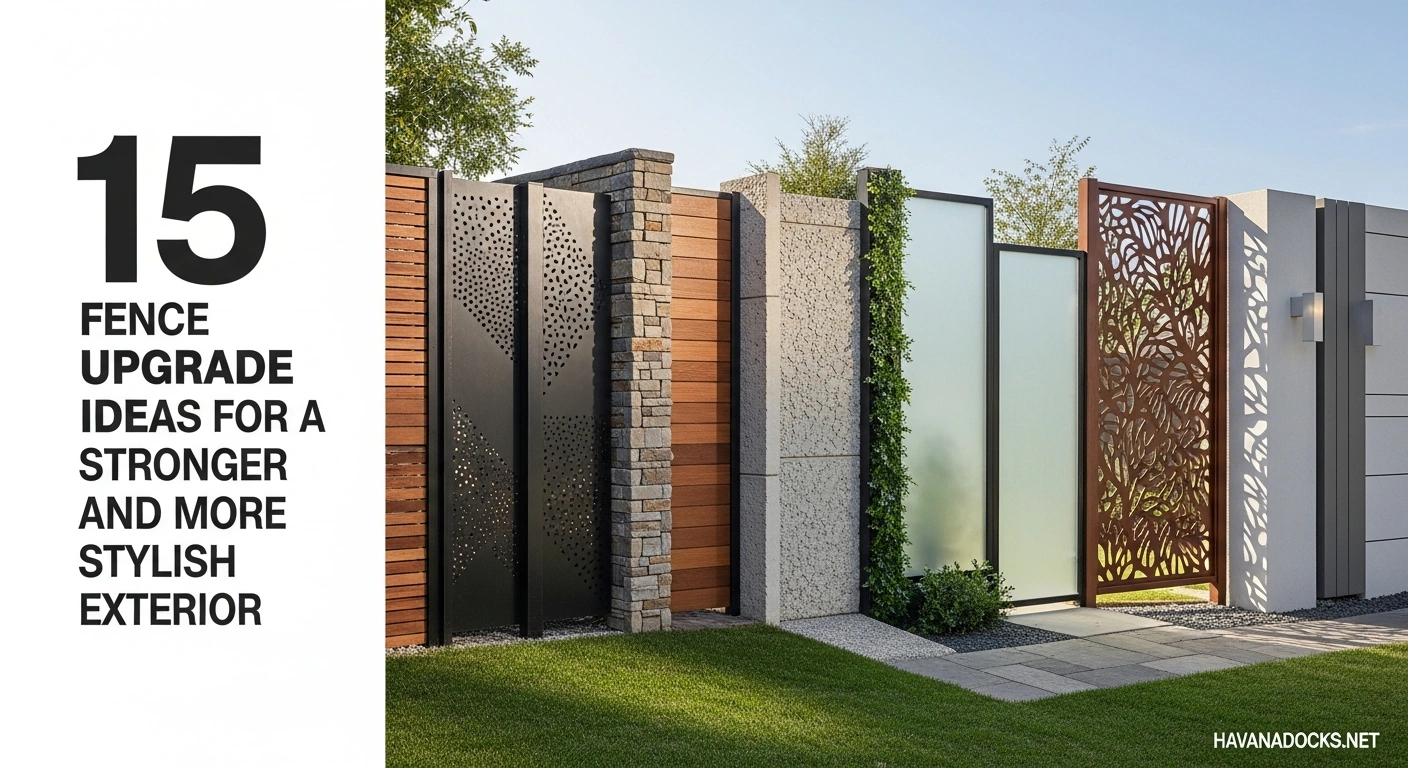
Preparing Your Fence for Coating: A Crucial Step
Proper preparation is essential for achieving a long-lasting and beautiful coating. Before applying any coating, ensure your fence is clean, dry, and free of any loose debris, dirt, or mildew.
Cleaning: Use a pressure washer or a scrub brush and soapy water to thoroughly clean the fence. Remove any loose paint, stain, or sealant with a scraper or wire brush. Pay close attention to areas with mildew or mold, scrubbing them thoroughly with a bleach solution to kill the spores.
Sanding: Sanding the fence can create a smooth surface for the coating to adhere to. Use a medium-grit sandpaper to lightly sand the entire fence, paying extra attention to rough spots or imperfections. Wipe away any sanding dust with a tack cloth.
Priming: Applying a primer before coating your fence can enhance adhesion and provide additional protection against moisture. Choose a primer specifically designed for the type of material your fence is made of. Apply the primer evenly with a brush, roller, or sprayer, following the manufacturer’s instructions.
Repair: Use this opportunity to repair any damage. Make sure every nook and cranny of the fence is protected and reinforced before you begin the sealing process.
Maintaining Your Coated Fence for Longevity
Regular maintenance is crucial for preserving the beauty and extending the life of your coated fence. Inspect your fence regularly for any signs of damage, such as cracks, chips, or discoloration.
Cleaning: Periodically clean your fence with a mild detergent and water to remove dirt, grime, and mildew. Use a soft brush or sponge to avoid scratching the coating.
Touch-Ups: Touch up any areas with minor damage as soon as possible to prevent further deterioration. Use a matching paint or stain to conceal the damage and protect the exposed material.
Reapplication: Depending on the type of coating you choose, you may need to reapply it periodically to maintain its protective properties. Follow the manufacturer’s instructions for reapplication frequency and procedures.
Professional help: Contact your local fencing professional to make sure your fence is properly maintained. Taking the proper steps for the type of fence, location, and environment can significantly extend its life.
Designing with Clean Modern Lines: Minimalism at its Finest
Embracing clean modern lines is a popular trend in fence design, characterized by simplicity, functionality, and a minimalist aesthetic. Focusing on the use of geometric shapes, clean edges, and a lack of ornamentation, this approach creates a sleek and sophisticated look that complements contemporary homes.
Achieving a Contemporary Aesthetic
The key to achieving a contemporary aesthetic with your fence lies in embracing simplicity. Avoid overly ornate details or decorative elements that can detract from the clean lines. Instead, focus on the fence’s basic structure and the interplay of geometric shapes.
Choose materials with clean, uniform surfaces, such as metal, composite, or smooth wood. Avoid materials with excessive grain or texture that can disrupt the sleek lines. Consider using neutral colors like gray, white, or black to further enhance the minimalist look.
Horizontal lines are particularly effective at creating a modern feel. Consider using horizontal slats, panels, or boards to emphasize the fence’s width and create a sense of linearity. Incorporate vertical elements sparingly to add visual interest without disrupting the overall clean lines.
Pay attention to the details, such as the hardware and the gate design. Choose minimalist hardware in a matching finish to maintain the clean aesthetic. Opt for a gate design that complements the fence’s overall style, avoiding ornate details or embellishments.
Consider the surrounding landscape when designing your modern fence. Avoid overly fussy or cluttered landscaping that can detract from the clean lines. Instead, opt for simple, geometric plantings that complement the fence’s minimalist design. This may include trimming any foliage that comes close to the fence.
Finally, consider the overall proportions of the fence. Ensure that the height and length of the fence are proportionate to your home and the surrounding landscape. Avoid fences that are too tall or too short, as they can disrupt the visual balance.
Material Choices for a Modern Fence
Material choice plays a critical role in achieving a modern fence design. Some materials lend themselves more readily to clean lines and minimalist aesthetics than others.
Metal: Metal fences, particularly those made of aluminum or steel, are an excellent choice for modern designs. They offer a sleek, clean look and can be easily fabricated into precise geometric shapes. Powder-coated finishes provide a durable and long-lasting coating that enhances the modern aesthetic.
Composite: Composite materials are another popular option for modern fences. They mimic the look of wood without the need for regular staining or sealing. Composite fences are available in various colors and textures, allowing you to customize the look to match your home’s architecture. These can be easier to maintain as well.
Wood: Wood can be used to create a modern fence, but it requires careful selection and detailing. Choose a wood species with a smooth, uniform grain, such as cedar or redwood. Avoid overly ornate details and focus on clean, straight lines. Consider staining or painting the wood in a neutral color to enhance the modern aesthetic.
Glass: Glass fences can offer an even more unique and modern approach to security and decoration. They can be either transparent or opaque, depending on your desired level of privacy. They also require more diligence to maintain, but may be worth it for the aesthetic quality.
Concrete: Concrete fences provide a highly stylized approach to decoration and security, and can be used to effectively create both privacy and an ultramodern aesthetic.
Consider the maintenance requirements of each material when making your decision. Metal and composite fences are generally low-maintenance, while wood fences require regular staining or sealing to protect them from the elements.
Integrating Lighting and Landscaping
Lighting and landscaping can further enhance the modern aesthetic of your fence, creating a cohesive and visually appealing outdoor space.
Lighting: Strategically placed lighting can highlight the fence’s clean lines and create a warm and inviting ambiance. Consider using LED strip lights to illuminate the fence from below or above, creating a subtle and sophisticated effect. Path lighting can also enhance safety and security, while accent lights can showcase specific features of the fence or surrounding landscaping.
Landscaping: Choose simple, geometric plantings that complement the fence’s minimalist design. Avoid overly fussy or cluttered landscaping that can detract from the clean lines. Consider using ornamental grasses, succulents, or other low-maintenance plants to create a modern and sustainable landscape.
Integrating water features, like fountains or ponds, can also add a touch of tranquility and sophistication to your outdoor space. Position the water feature near the fence to create a focal point and enhance the overall aesthetic.
Finally, consider using hardscaping elements, such as pavers, gravel, or stone, to create a defined pathway or patio area near the fence. Choose materials and colors that complement the fence’s design and create a cohesive outdoor space.
Decorative Panels and Inserts: Adding Flair and Personality
While clean lines and minimalism are popular choices, don’t be afraid to inject some personality into your fence design with decorative panels and inserts. These elements can add visual interest and character to your fence, transforming it from a purely functional structure into a striking design feature.
Playing with Color: Bold Statements or Subtle Accents
Color is a powerful tool that can dramatically impact the look and feel of your fence. Use color strategically to create a bold statement or subtle accents that complement your home’s architecture and personal style. Consider contrasting colors to make the fence stand out or complementary colors to blend it seamlessly with the surrounding landscape.
Incorporating Greenery: Living Walls and Vertical Gardens
Bring your fence to life by incorporating greenery. Transform your fence into a living wall by attaching planters or trellises and growing climbing plants. Alternatively, create a vertical garden by attaching potted plants or hanging baskets to the fence. Greenery adds a touch of nature to your outdoor space and can also provide additional privacy.
Repurposing Materials: Sustainable and Unique Designs
Get creative and repurpose materials to build a sustainable and unique fence. Use reclaimed wood, pallets, or even old doors and windows to create a one-of-a-kind fence that reflects your personal style. Repurposing materials is an environmentally friendly way to reduce waste and add character to your outdoor space.
Adding a Trellis or Pergola: Height and Architectural Interest
Adding a trellis or pergola atop your fence can add height and architectural interest to your outdoor space. A trellis provides support for climbing plants, creating a lush and vibrant green screen. A pergola offers shade and shelter, creating a comfortable outdoor living area.
Upgrading Hardware: Hinges, Latches, and Handles
Don’t overlook the importance of hardware. Upgrading the hinges, latches, and handles on your fence and gate can significantly enhance their appearance and functionality. Choose hardware that complements your fence’s style and finish, ensuring a cohesive and polished look.
Weathered hardware looks
For those who want the appearance of age, there are many options to choose hardware that imitates the weathered look. If security isn’t your highest concern, then consider the weathered hardware. It tends to catch the eye and will be a beautiful addition to your carefully designed fence.
Hardware with improved security
Many homeowners also use their fence for security. If you need an added degree of protection, then choose your hardware with security in mind. Look for the best material for your specific fencing material, environment, and purpose.
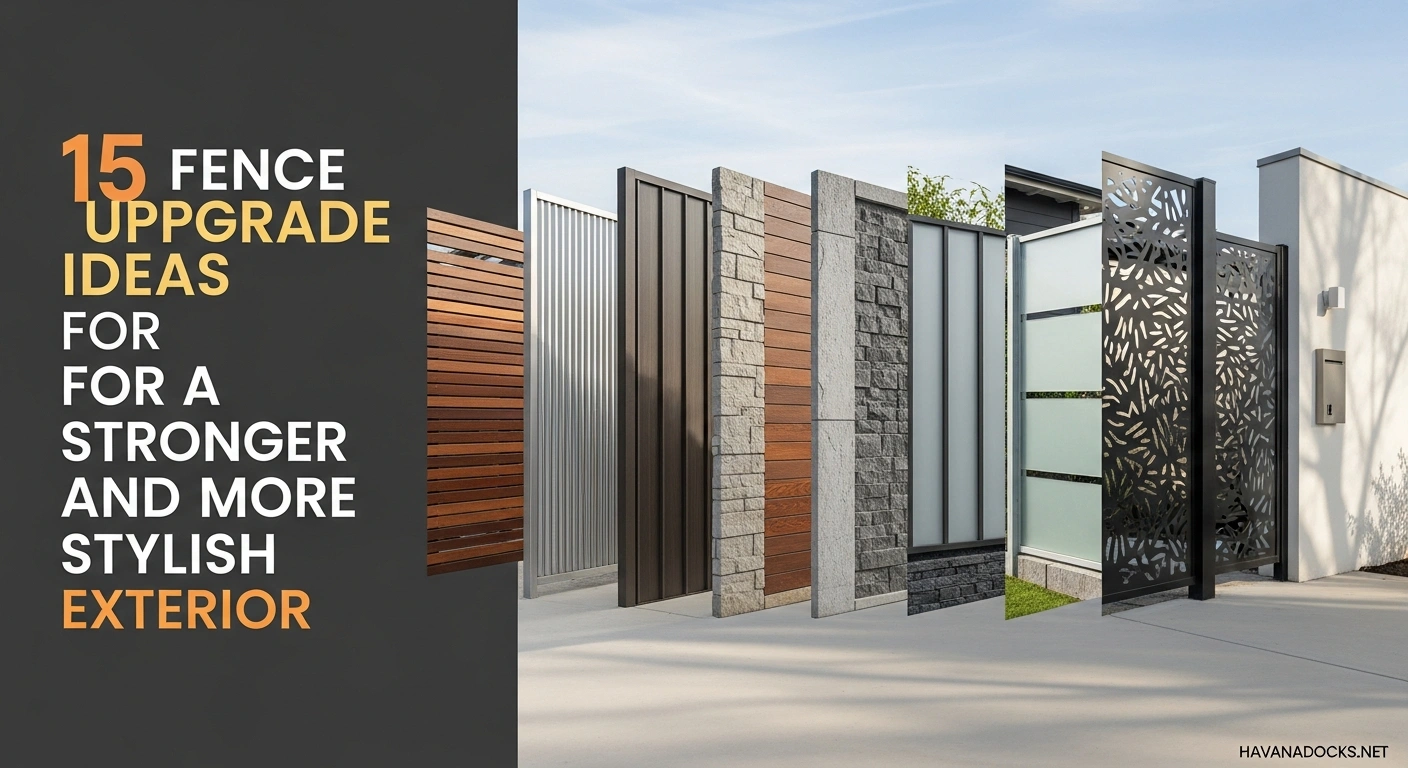
Adding a Gate Archway: A Grand Entrance
Create a grand entrance to your yard by adding an archway over your gate. An archway can be constructed from wood, metal, or even stone, and can be adorned with climbing plants or decorative elements. An archway adds a touch of elegance and sophistication to your outdoor space, welcoming guests with style.
Incorporating Lighting: Ambiance and Security
Lighting is essential for enhancing the ambiance and security of your fence. Install landscape lighting to illuminate the fence and surrounding area, creating a warm and inviting atmosphere. Security lights can deter intruders and provide additional safety.
Integrating Art: Sculptures and Murals
Transform your fence into an art gallery by incorporating sculptures or murals. Attach decorative sculptures to the fence or commission a local artist to paint a mural. Art adds personality and visual interest to your fence, making it a focal point of your outdoor space.
The Impact of Fence Height: Scale Matters!
The height of your fence plays a significant role in its overall impact. A taller fence provides more privacy and security but can also feel imposing. A shorter fence allows for more visibility and airflow but may not provide adequate privacy. Consider the scale of your home and the surrounding landscape when determining the appropriate fence height.
Conclusion
Upgrading your fence is a worthwhile investment that can significantly enhance the beauty, security, and value of your property. By implementing these 15 fence upgrade ideas, you can transform your fence from a purely functional structure into a striking design feature that complements your home’s architecture and reflects your personal style. Remember to consider factors like privacy, security, aesthetics, and budget when making your decision, and don’t be afraid to get creative and add your own personal touch. Whether you choose fence upgrades with simple slats, explore durable coatings, or embrace clean modern lines, the possibilities are endless for creating a stronger and more stylish exterior.