
1. The Power of Minimalist Design in Modern Exteriors
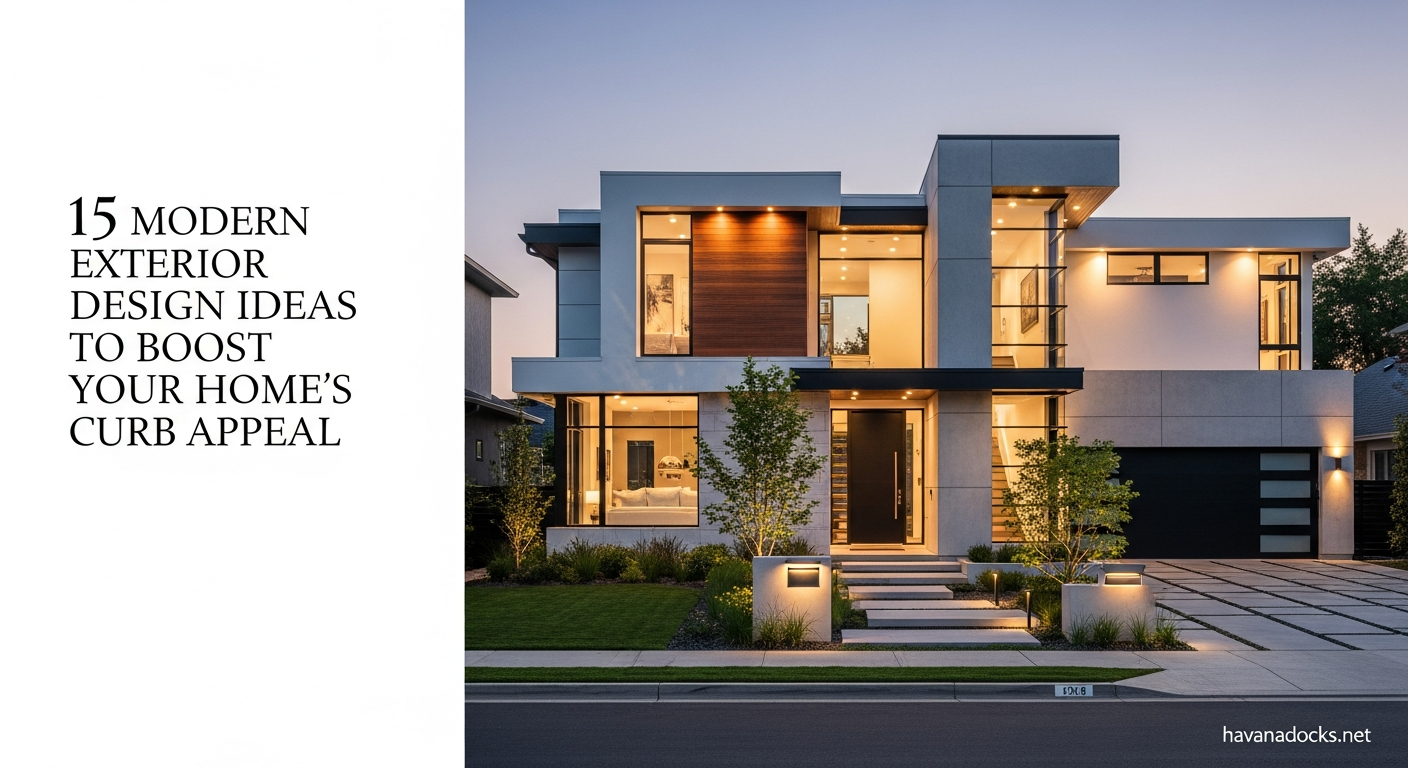
15 Modern Exterior Design – Minimalism isn’t just a trend; it’s a philosophy that translates beautifully into modern exterior design. The core principle revolves around simplicity, functionality, and a deliberate absence of excessive ornamentation. This approach creates a clean, sophisticated look that’s both timeless and visually appealing.
A minimalist exterior often features clean lines, geometric shapes, and a limited color palette. Think neutral tones like whites, grays, beiges, and blacks, often complemented by natural materials such as wood or stone for added texture and warmth. Large windows are another hallmark of minimalist design, maximizing natural light and blurring the lines between indoor and outdoor spaces. This contributes to a feeling of openness and connectivity with the surrounding environment.
Decluttering for a Clean Aesthetic
One of the key elements of a minimalist exterior is decluttering. This means removing any unnecessary decorations, landscaping features, or architectural details that don’t contribute to the overall design. Focus on essential elements that serve a purpose, such as well-placed lighting, functional pathways, and strategically positioned greenery. Less is truly more when it comes to achieving a minimalist aesthetic.
- Simplify landscaping: Opt for low-maintenance plants arranged in a structured, geometric pattern.
- Remove unnecessary ornaments: Avoid cluttering the porch or entryway with excessive decorations.
- Focus on functionality: Prioritize elements that serve a purpose, such as seating areas or sheltered entrances.
Embracing Neutral Color Palettes
Neutral colors play a crucial role in minimalist exteriors. They create a sense of calm, sophistication, and understated elegance. White is a classic choice, offering a clean and bright look that reflects light and creates a sense of spaciousness. Gray is another versatile option, ranging from light and airy shades to dark and dramatic charcoal tones. Beige provides warmth and earthiness, while black adds a touch of drama and sophistication.
When choosing a neutral color palette, consider the surrounding environment and architectural style of your home. Lighter colors tend to work well in warmer climates, while darker colors can add a sense of depth and drama to more contemporary designs. You can also experiment with different shades of the same color to create subtle variations and visual interest, Modern Exterior Design.
Integrating Natural Materials
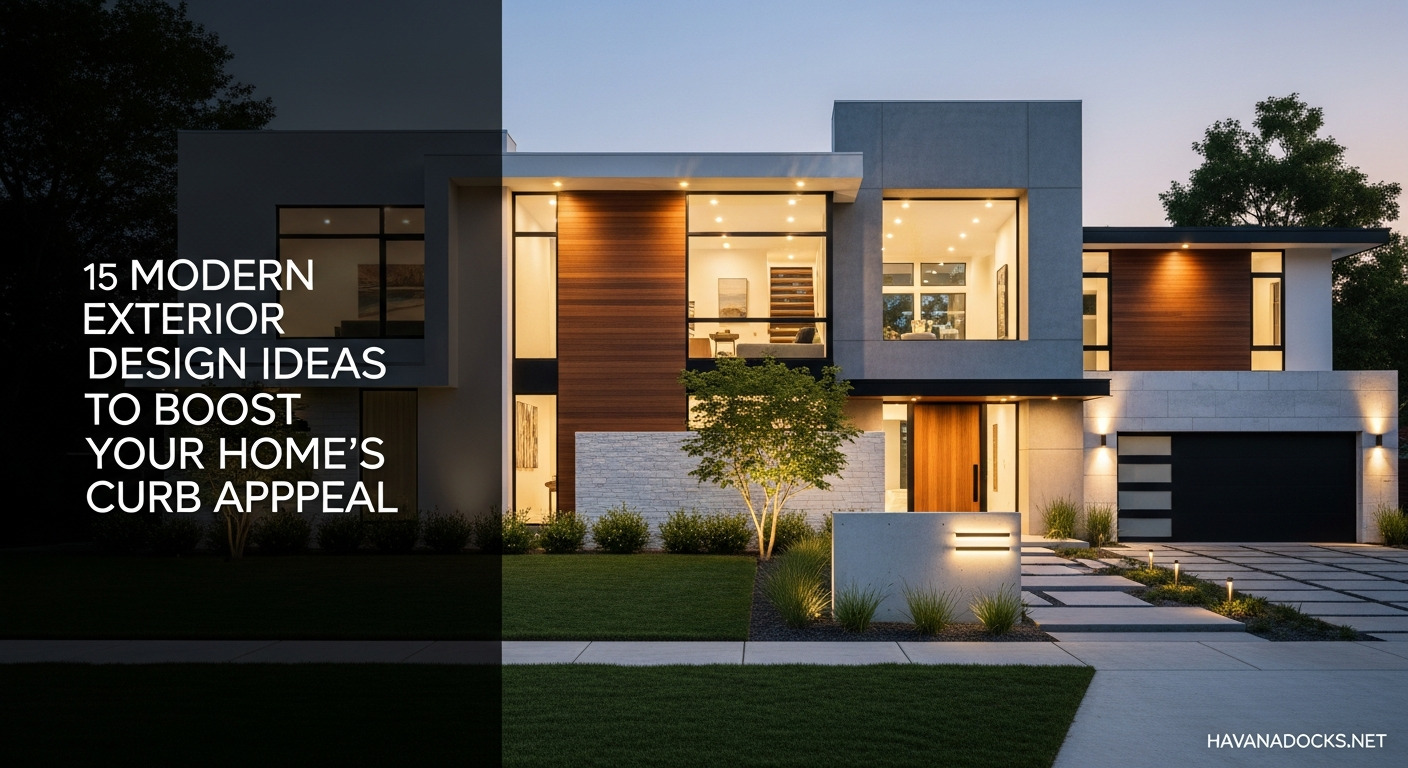
Adding natural materials like wood, stone, or concrete can enhance the warmth and texture of a minimalist exterior. Wood can be used for siding, trim, or decking, adding a touch of natural beauty and warmth. Stone can be used for accent walls, pathways, or retaining walls, creating a sense of solidity and grounding. Concrete can be used for driveways, patios, or architectural features, offering a raw and industrial aesthetic.
When incorporating natural materials, choose options that complement the overall color palette and design style. For example, light-colored wood pairs well with white or gray exteriors, while dark-colored stone can add contrast and drama to a beige or black facade. Consider the texture and grain of the materials, as well, to create visual interest and depth.
2. Modern Farmhouse: A Blend of Rustic and Contemporary
The modern farmhouse style has gained immense popularity in recent years, seamlessly blending rustic charm with contemporary design elements. It draws inspiration from traditional farmhouse architecture but incorporates modern materials, clean lines, and open floor plans for a fresh and updated look. This style is warm, inviting, and effortlessly stylish, making it a perfect choice for homeowners who want to create a comfortable and welcoming exterior.
Key elements of a modern farmhouse exterior include board-and-batten siding, gabled roofs, large porches, and barn-inspired lighting fixtures. Neutral color palettes are commonly used, with whites, grays, and beiges serving as the foundation, accented by natural wood tones and touches of black. Landscaping often includes native plants, wildflowers, and vegetable gardens, adding to the rustic charm of the design.
Incorporating Board-and-Batten Siding
Board-and-batten siding is a defining feature of the modern farmhouse style. It consists of wide vertical boards joined together by narrow strips of wood called battens. This creates a textured and visually appealing surface that adds depth and character to the exterior. Board-and-batten siding is typically painted in neutral colors, such as white, gray, or beige, to maintain a clean and contemporary look.
When installing board-and-batten siding, consider the size and proportions of your home. Wider boards can create a more dramatic effect, while narrower boards can create a more subtle and refined look. The spacing between the battens can also be adjusted to achieve different visual effects. Ensure that the siding is properly installed and sealed to protect it from the elements and prevent moisture damage.
Designing Inviting Porches
Porches are an integral part of the modern farmhouse style, providing a welcoming space for relaxation and socializing. A large, covered porch is a hallmark of this design, offering protection from the elements and creating a comfortable outdoor living area. Porches are often furnished with rocking chairs, porch swings, and comfortable seating arrangements, inviting guests to relax and enjoy the fresh air.
When designing a modern farmhouse porch, consider the size, shape, and orientation of your home. A wrap-around porch can add visual interest and create multiple seating areas, while a smaller porch can provide a cozy and intimate space. Porch railings are typically made of wood or wrought iron, adding to the rustic charm of the design. Accent with outdoor lighting, potted plants, and other decorative elements to create a welcoming and inviting atmosphere.
Adding Barn-Inspired Lighting
Barn-inspired lighting fixtures are another essential element of the modern farmhouse style. These fixtures often feature simple, rustic designs made of metal or wood, evoking the charm of traditional barns and farmhouses. Pendant lights, sconces, and gooseneck lights are all popular choices for illuminating the exterior of a modern farmhouse.
When selecting barn-inspired lighting, consider the size, style, and finish of the fixtures. Larger fixtures can add a more dramatic impact, while smaller fixtures can provide a more subtle and understated look. Choose finishes that complement the overall color palette of your exterior, such as black, bronze, or galvanized steel. Install the lighting fixtures strategically to highlight architectural features, illuminate pathways, and create a warm and inviting ambiance.
3. Mid-Century Modern Revival: Bringing Back the Classics
The mid-century modern style, which flourished in the mid-20th century, is experiencing a major revival in contemporary architecture and design. This style is characterized by clean lines, geometric shapes, and a seamless integration of indoor and outdoor spaces. It embraces natural materials, bold colors, and innovative construction techniques, creating a timeless and sophisticated aesthetic.
A mid-century modern exterior often features flat or low-pitched roofs, large expanses of glass, and cantilevered elements. Natural materials like wood, stone, and brick are commonly used, often combined with metal and concrete accents. The color palette typically includes earthy tones, such as browns, greens, and oranges, accented by pops of vibrant colors like turquoise, yellow, and red. Landscaping is often minimalist and organic, featuring native plants, rock gardens, and strategically placed trees.
Incorporating Large Windows and Glass Doors
Large windows and glass doors are essential elements of the mid-century modern style, blurring the lines between indoor and outdoor spaces and maximizing natural light. These features create a sense of openness and connectivity with the surrounding environment, allowing residents to enjoy the beauty of nature from the comfort of their homes. Sliding glass doors are a popular choice, providing easy access to patios, decks, and gardens.
When incorporating large windows and glass doors, consider the orientation of your home and the climate in your area. South-facing windows can maximize solar gain in colder climates, while east and west-facing windows may require shading to prevent overheating. Choose energy-efficient glass options to reduce energy consumption and improve indoor comfort. Frame the windows with wood or metal to complement the overall aesthetic of the exterior.
Using Natural Wood Siding and Accents
Natural wood siding is another defining feature of the mid-century modern style, adding warmth, texture, and natural beauty to the exterior. Wood siding can be used for the entire facade or as an accent material, complementing other elements like brick, stone, or concrete. Popular wood species include cedar, redwood, and pine, which are known for their durability, beauty, and resistance to decay.
When using natural wood siding, consider the grain, texture, and color of the wood. Vertical siding can create a sense of height and elegance, while horizontal siding can create a more grounded and stable look. Apply a sealant or stain to protect the wood from the elements and enhance its natural beauty. Incorporate wood accents in other areas of the exterior, such as trim, eaves, and doors, to create a cohesive and unified design.
Designing a Low-Pitched or Flat Roof
The mid-century modern style is characterized by its flat or low-pitched roofs, which contribute to its sleek and minimalist aesthetic. These roofs create a clean and uncluttered silhouette, enhancing the overall visual appeal of the exterior. Flat roofs are often used in conjunction with cantilevered elements, creating a sense of lightness and floating.
When designing a flat or low-pitched roof, consider the drainage and waterproofing requirements. Ensure that the roof is properly sloped and sealed to prevent water accumulation and leaks. Choose durable roofing materials that can withstand the elements and provide long-lasting protection. Incorporate architectural features like parapets, skylights, and roof gardens to enhance the functionality and aesthetics of the roof.
4. Contemporary Color Palettes: Beyond Neutrals
While neutral colors play a significant role in many modern exterior design schemes, contemporary interpretations are increasingly embracing bolder and more expressive color palettes. These palettes go beyond the traditional whites, grays, and beiges, incorporating vibrant hues, unexpected combinations, and sophisticated shades that add personality and character to the exterior.
Experimenting with color can be a powerful way to enhance curb appeal and create a unique and memorable impression. However, careful consideration should be given to the architectural style of the home, the surrounding environment, and the desired mood or atmosphere. A well-chosen color palette can complement the architectural features of the home, harmonize with the landscape, and reflect the homeowner’s personal style.
Embracing Bold Accent Colors
Incorporating bold accent colors can add a touch of drama and excitement to a contemporary exterior. These colors can be used for doors, shutters, trim, or other architectural details, creating a visual focal point and adding personality to the facade. Popular accent colors include vibrant reds, blues, greens, yellows, and oranges, which can be used to create contrast and highlight specific features.
When choosing bold accent colors, consider the overall color palette of the exterior and the surrounding environment. Coordinate the accent colors with the main color of the house, as well as the colors of the landscaping and neighboring properties. Use accent colors sparingly to avoid overwhelming the design and creating a cluttered or chaotic look.
Exploring Monochromatic Color Schemes
A monochromatic color scheme involves using different shades and tones of a single color to create a unified and harmonious design. This approach can be particularly effective for contemporary exteriors, creating a sense of sophistication and elegance. A monochromatic palette can be calming and serene, or bold and dramatic, depending on the chosen color and the range of shades used.
When creating a monochromatic color scheme, consider the undertones of the chosen color and how they will interact with the surrounding environment. Experiment with different finishes and textures to add visual interest and depth to the design. Use different shades of the same color for siding, trim, and accents to create subtle variations and avoid a flat or monotonous look.
Utilizing Contrasting Color Combinations
Contrasting color combinations involve pairing two or more colors that are opposite each other on the color wheel. This approach can create a dynamic and visually stimulating effect, adding energy and excitement to the exterior. Popular contrasting color combinations include blue and orange, yellow and purple, and red and green.
When using contrasting color combinations, consider the intensity and saturation of the chosen colors. High-contrast combinations can be overwhelming if the colors are too bright or saturated. Use softer tones or muted shades to create a more balanced and harmonious look. Consider the proportions of each color, as well, using one color as the dominant hue and the other as an accent.
5. Green Building Materials: Sustainable Modern Exteriors
Sustainability is becoming increasingly important in modern exterior design, with homeowners seeking eco-friendly materials and construction techniques that minimize their environmental impact. Green building materials are those that are renewable, recyclable, and energy-efficient, reducing waste and conserving resources. Incorporating these materials into your exterior design can not only benefit the environment but also enhance the durability, longevity, and aesthetic appeal of your home.
Choosing sustainable building materials can reduce your carbon footprint, lower your energy consumption, and improve indoor air quality. These materials also contribute to a healthier and more sustainable living environment for you and your family. From recycled siding to sustainably sourced lumber, there are numerous green building materials available to enhance your home’s exterior.
Using Recycled Wood or Composite Siding
Recycled wood and composite siding are excellent options for creating a sustainable and aesthetically pleasing exterior. Recycled wood is salvaged from old buildings, demolition sites, or industrial processes, reducing the demand for virgin lumber and diverting waste from landfills. Composite siding is made from a combination of recycled wood fibers and plastic, offering a durable and low-maintenance alternative to traditional wood siding.
When selecting recycled wood or composite siding, consider the quality, durability, and aesthetic appeal of the material. Ensure that the material is properly treated and sealed to protect it from the elements and prevent moisture damage. Choose colors and textures that complement the overall design of your home and blend seamlessly with the surrounding environment.
Incorporating Bamboo Cladding
Bamboo is a rapidly renewable resource that can be used for a variety of exterior applications, including cladding, decking, and fencing. Bamboo cladding offers a sustainable and aesthetically pleasing alternative to traditional wood siding, adding a touch of natural beauty and warmth to the exterior. Bamboo is lightweight, strong, and resistant to decay, making it an excellent choice for coastal or humid climates.
When incorporating bamboo cladding, consider the species, color, and texture of the bamboo. Some species are more durable and resistant to decay than others. Choose colors and textures that complement the overall design of your home and create a harmonious and balanced look. Ensure that the bamboo is properly treated and sealed to protect it from the elements and prevent moisture damage.
Installing a Green Roof
A green roof is a roofing system that is covered with vegetation, such as plants, grasses, or herbs. Green roofs offer numerous environmental benefits, including reduced stormwater runoff, improved air quality, and increased insulation. They also provide a habitat for wildlife and add a touch of natural beauty to the exterior of your home.
When installing a green roof, consider the structural integrity of your roof and the weight of the vegetation. Ensure that the roof is properly sealed and waterproofed to prevent leaks. Choose plant species that are drought-tolerant and require minimal maintenance. Consider the aesthetics of the green roof and how it will complement the overall design of your home.
6. The Importance of Landscaping in Modern Exterior Design
Landscaping is an integral part of modern exterior design, enhancing the curb appeal of your home and creating a seamless transition between the indoor and outdoor spaces. Well-designed landscaping can complement the architectural features of your home, soften harsh lines, and add color, texture, and visual interest to the exterior.
Effective landscaping involves more than just planting a few flowers and shrubs. It requires careful planning, consideration of the surrounding environment, and a focus on creating a functional and aesthetically pleasing space. From choosing the right plants to designing pathways and outdoor living areas, landscaping can transform your home’s exterior and create a welcoming and inviting atmosphere.
Creating Defined Pathways and Walkways
Defined pathways and walkways are essential elements of a well-designed landscape, providing safe and convenient access to your home and other areas of the yard. Pathways can be made from a variety of materials, including concrete, stone, gravel, or wood, depending on the style of your home and the surrounding environment.
When designing pathways, consider the width, length, and slope of the path, as well as the materials used. Ensure that the path is wide enough to accommodate foot traffic and is properly sloped to prevent water accumulation. Choose materials that are durable, slip-resistant, and visually appealing. Consider incorporating lighting along the pathway to enhance safety and create a warm and inviting ambiance.
Using Native Plants and Trees
Native plants and trees are those that are indigenous to a specific region or climate. Using native plants in your landscaping offers numerous environmental benefits, including reduced water consumption, increased biodiversity, and improved soil health. Native plants are also adapted to the local climate, requiring less maintenance and fewer resources.
When selecting native plants, consider the soil type, sunlight exposure, and water availability in your area. Choose plants that are appropriate for your climate and that complement the overall design of your landscape. Consider incorporating a mix of trees, shrubs, and groundcovers to create a diverse and visually appealing landscape.
Incorporating Outdoor Lighting
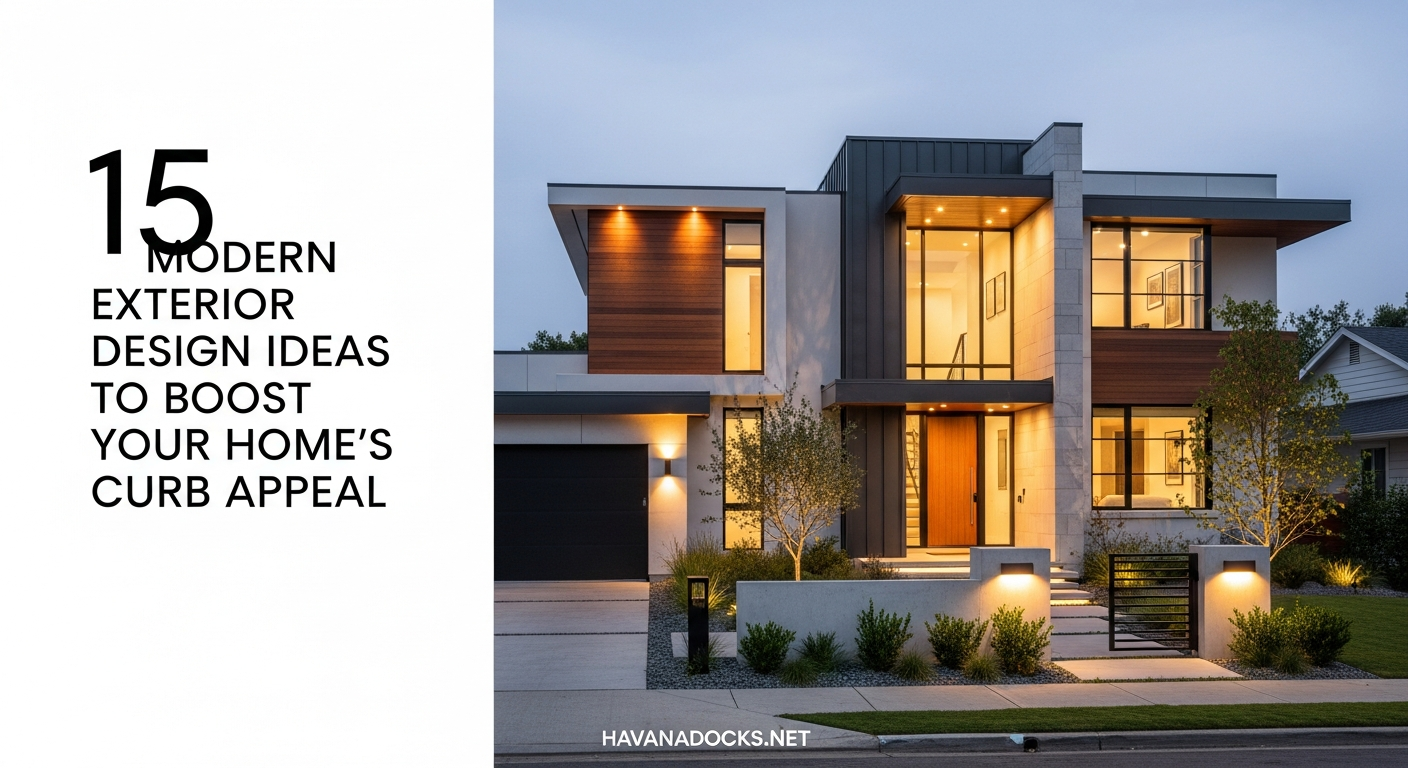
Outdoor lighting is an essential element of modern exterior design, enhancing safety, security, and aesthetic appeal. Well-placed lighting can illuminate pathways, highlight architectural features, and create a warm and inviting ambiance. Outdoor lighting can also extend the use of your outdoor living spaces, allowing you to enjoy your yard and garden at night.
When selecting outdoor lighting, consider the type, style, and placement of the fixtures. Choose fixtures that are energy-efficient and durable, and that complement the style of your home. Consider using a combination of ambient, task, and accent lighting to create a layered and visually appealing effect. Install lighting along pathways, around patios, and to highlight architectural features.
7. Integrating Smart Home Technology into Exterior Design
Smart home technology is revolutionizing the way we live, and its integration into modern exterior design is becoming increasingly common. Smart lighting, security systems, and irrigation systems can enhance the functionality, efficiency, and convenience of your home while also adding a touch of modern sophistication to the exterior.
Incorporating smart home technology into your exterior design can improve energy efficiency, enhance security, and simplify your daily routine. From controlling your outdoor lighting with your smartphone to automating your irrigation system based on weather conditions, smart home technology can transform the way you interact with your exterior spaces.
Installing Smart Outdoor Lighting
Smart outdoor lighting allows you to control your exterior lights remotely using your smartphone or other smart devices. This can be useful for enhancing security, saving energy, and creating custom lighting scenes. Smart lighting systems can be programmed to turn on and off automatically based on time of day or motion detection, and they can be adjusted to different brightness levels and colors.
When installing smart outdoor lighting, consider the location, placement, and type of fixtures. Choose fixtures that are compatible with your smart home system and that offer the features you need. Consider using a combination of spotlights, floodlights, and path lights to create a layered and visually appealing effect. Install motion sensors and timers to automate the lighting and save energy.
Implementing Smart Security Systems
Smart security systems offer a range of features designed to protect your home and family, including video surveillance, motion detection, and remote monitoring. These systems can be integrated with your smartphone or other smart devices, allowing you to monitor your home from anywhere in the world. Smart security systems can also be connected to emergency services, providing rapid response in the event of a break-in or other emergency.
When implementing a smart security system, consider the size and layout of your property, as well as your security needs. Choose a system that offers the features you need, such as video surveillance, motion detection, and alarm monitoring. Install cameras and sensors in strategic locations to maximize coverage and deter intruders.
Automating Irrigation Systems
Smart irrigation systems automate the watering of your lawn and garden, ensuring that your plants receive the right amount of water at the right time. These systems can be programmed to adjust the watering schedule based on weather conditions, soil moisture levels, and plant needs. Smart irrigation systems can save water, reduce maintenance, and improve the health and appearance of your plants.
When automating your irrigation system, consider the size and layout of your lawn and garden, as well as the specific needs of your plants. Choose a system that offers the features you need, such as weather-based adjustments, soil moisture sensors, and remote control. Install sensors and controllers in strategic locations to maximize efficiency and effectiveness.
8. Playing with Textures and Materials: Add Depth to Your Design
In modern exterior design, the interplay of textures and materials is crucial for creating depth, visual interest, and a tactile experience. Combining different textures and materials can add character to your home’s exterior and enhance its overall aesthetic appeal. This goes beyond simply choosing a color palette; it’s about how different surfaces interact with light and shadow.
Mixing smooth and rough textures, natural and man-made materials, and light and dark colors can create a dynamic and visually captivating facade. The selection of materials should be both aesthetically pleasing and functional, considering factors such as durability, weather resistance, and maintenance requirements.
Combining Wood and Stone
Combining wood and stone is a classic approach to adding texture and warmth to a modern exterior design. Wood provides a natural and organic feel, while stone adds a sense of solidity and permanence. These materials can be used in a variety of ways, such as wood siding with stone accents, stone veneer with wood trim, or a combination of both for a more rustic and textured look.
When combining wood and stone, consider the color and texture of each material. Choose colors that complement each other and textures that create a visual contrast. Lighter woods pair well with darker stones, while rough-textured stones contrast nicely with smooth wood surfaces. Ensure that the materials are properly sealed and protected to prevent damage from the elements.
Using Metal Accents
Metal accents can add a touch of modern sophistication and industrial chic to a modern exterior design. Metal can be used for roofing, siding, trim, or decorative elements, creating a sleek and contemporary look. Popular metal options include steel, aluminum, copper, and zinc, each with its unique characteristics and aesthetic appeal.
When using metal accents, consider the color, finish, and texture of the metal. Choose colors that complement the overall design of your home and finishes that provide the desired level of sheen and reflectivity. Consider using textured metal panels or perforated metal sheets to add visual interest and depth to the exterior.
Incorporating Glass Blocks
Glass blocks offer a unique way to add texture and light to a modern exterior design. Glass blocks can be used for walls, windows, or decorative elements, creating a translucent surface that allows light to pass through while providing privacy. Glass blocks come in a variety of shapes, sizes, and textures, allowing you to create custom designs that enhance the aesthetic appeal of your home.
When incorporating glass blocks, consider the placement and orientation of the blocks. Position the blocks to maximize daylighting and create interesting patterns of light and shadow. Use different textures and colors of glass blocks to add visual interest and depth to the design. Ensure that the blocks are properly installed and sealed to prevent water leakage and maintain structural integrity.
9. Architectural Lighting: Creating Ambiance and Highlighting Features
Architectural lighting plays a crucial role in enhancing the aesthetics and functionality of a modern exterior design. Well-placed lighting can illuminate pathways, highlight architectural features, create a warm and inviting ambiance, and improve security. The right lighting scheme can transform your home’s exterior and create a captivating visual experience.
Effective architectural lighting involves more than just installing a few fixtures. It requires careful planning, consideration of the architectural style of your home, and a focus on creating a layered and balanced lighting scheme. From choosing the right types of fixtures to positioning them strategically, architectural lighting can transform your home’s exterior and create a welcoming and visually appealing atmosphere.
Uplighting Architectural Details
Uplighting involves positioning light fixtures at ground level to illuminate architectural details, such as columns, arches, and gables. This technique creates a dramatic effect, highlighting the beauty and complexity of the architecture. Uplighting can also be used to accentuate trees and shrubs, adding depth and dimension to the landscape.
When uplighting architectural details, consider the beam angle and intensity of the light. Choose fixtures that provide a narrow beam angle for focused illumination or a wider beam angle for more general lighting. Adjust the intensity of the light to create the desired level of drama and visual impact. Position the fixtures carefully to avoid glare and ensure that the light is focused on the intended features.
Downlighting Pathways and Walkways
Downlighting involves positioning light fixtures above pathways and walkways to provide safe and convenient illumination. This technique creates a well-lit and welcoming environment, improving safety and security. Downlighting can also be used to illuminate steps and entrances, enhancing visibility and preventing accidents.
When downlighting pathways and walkways, consider the height, spacing, and brightness of the fixtures. Choose fixtures that provide a wide beam angle and a soft, diffused light. Position the fixtures at a height that provides adequate illumination without creating glare. Space the fixtures evenly along the pathway to ensure uniform lighting.
Incorporating Accent Lighting
Accent lighting is used to highlight specific features, such as plants, sculptures, or water features. This technique adds visual interest and depth to the landscape, creating a captivating and inviting atmosphere. Accent lighting can also be used to draw attention to specific areas of the yard or garden.
When incorporating accent lighting, consider the size, shape, and texture of the features you want to highlight. Choose fixtures that provide a narrow beam angle and a focused beam of light. Position the fixtures carefully to avoid glare and ensure that the light is focused on the intended features. Adjust the intensity of the light to create the desired level of drama and visual impact.
10. Water Features: Adding Tranquility and Visual Interest
Water features can add a touch of tranquility, elegance, and visual interest to your modern exterior design. From small fountains to large ponds, water features can create a calming and relaxing atmosphere while also enhancing the aesthetic appeal of your home. The sound of water can also provide a soothing and therapeutic effect, masking unwanted noise and creating a more serene environment.
Incorporating a water feature into your exterior design can transform your outdoor space into a tranquil oasis. Whether you choose a simple birdbath or an elaborate waterfall, a well-designed water feature can enhance the beauty and functionality of your home’s exterior.
Installing a Fountain
Fountains are a classic choice for adding elegance and visual interest to a modern exterior design. Fountains come in a variety of styles, sizes, and materials, allowing you to choose one that complements the architectural style of your home and your personal taste. Fountains can be placed in gardens, patios, or courtyards, creating a focal point and adding a touch of sophistication to the landscape.
When installing a fountain, consider the size, shape, and material of the fountain. Choose a fountain that is appropriately sized for the space and that complements the overall design of your exterior. Consider the maintenance requirements of the fountain, as well as the availability of water and electricity.
Creating a Pond
Ponds can add a touch of natural beauty and tranquility to your modern exterior design. Ponds can be created in a variety of sizes and shapes, and they can be stocked with fish, plants, and other aquatic life. Ponds can be placed in gardens, yards, or other outdoor spaces, creating a serene and relaxing atmosphere.
When creating a pond, consider the size, depth, and location of the pond. Choose a location that receives adequate sunlight and that is easily accessible for maintenance. Consider the type of liner and filtration system that will be required to maintain the pond’s water quality. Plant aquatic plants and stock the pond with fish to create a natural and thriving ecosystem.
Building a Waterfall
Waterfalls are a dramatic and visually stunning way to add water to your modern exterior design. Waterfalls can be built in a variety of styles and sizes, and they can be incorporated into existing landscapes or created as standalone features. Waterfalls can be built using natural stone, concrete, or other materials, creating a unique and eye-catching focal point.
When building a waterfall, consider the height, width, and slope of the waterfall. Choose materials that are durable, weather-resistant, and visually appealing. Consider the type of pump and filtration system that will be required to circulate the water and maintain its clarity. Plant aquatic plants and add rocks or other decorative elements to enhance the natural beauty of the waterfall.
11. Decks and Patios: Extending Living Spaces Outdoors
Decks and patios offer a seamless way to extend your living spaces outdoors, creating areas for relaxation, entertainment, and dining. A well-designed deck or patio can enhance the functionality and aesthetic appeal of your home, providing a comfortable and inviting space for enjoying the outdoors.
Whether you choose a simple wood deck or an elaborate stone patio, a well-designed outdoor living space can transform your home’s exterior and create a welcoming and inviting atmosphere. Consider the size, shape, and materials of your deck or patio, as well as the surrounding landscaping and architectural style of your home.
Designing a Multi-Level Deck
A multi-level deck can add visual interest and functionality to your modern exterior design. Multi-level decks can be used to create distinct zones for different activities, such as dining, lounging, and cooking. Multiple levels can also be used to accommodate changes in elevation or to create a more dynamic and visually appealing space.
When designing a multi-level deck, consider the height, size, and layout of each level. Design the levels to be easily accessible and to flow seamlessly together. Use different materials, such as wood, composite, or stone, to create a more textured and visually interesting space. Consider incorporating built-in seating, planters, or other features to enhance the functionality and aesthetic appeal of the deck.
Building a Stone Patio
A stone patio can add a touch of elegance and durability to your modern exterior design. Stone patios are available in a variety of materials, such as flagstone, slate, and pavers, allowing you to choose one that complements the architectural style of your home and your personal taste. Stone patios are durable, low-maintenance, and visually appealing, making them an excellent choice for outdoor living spaces.
When building a stone patio, consider the size, shape, and materials of the patio. Choose a stone that is durable, slip-resistant, and visually appealing. Consider the type of base and drainage system that will be required to prevent settling and water damage. Install the stone pavers carefully, ensuring that they are level and securely in place.
Incorporating a Pergola or Gazebo
A pergola or gazebo can provide shade, shelter, and visual interest to your deck or patio. Pergolas are open-roofed structures that provide partial shade, while gazebos are enclosed structures that provide more complete shelter from the elements. Both pergolas and gazebos can add a touch of elegance and sophistication to your outdoor living space.
When incorporating a pergola or gazebo, consider the size, shape, and style of the structure. Choose a structure that complements the architectural style of your home and that provides the desired level of shade and shelter. Consider the materials used to construct the structure, as well as the location and orientation of the structure. Plant climbing plants near the pergola or gazebo to enhance its natural beauty and provide additional shade.
12. Doors and Windows: Making a Statement
Doors and windows are essential elements that significantly impact a home’s architectural style and curb appeal. They serve as functional components, providing access, natural light, and ventilation, while also contributing to the overall aesthetic of the exterior. Upgrading or replacing doors and windows can transform the entire facade. Choosing the right style, material, and color can complement the existing architectural features or introduce a new stylistic element, making them a focal point.
A thoughtfully designed entrance door can convey a sense of welcome and security, while strategically placed windows can frame views and enhance natural light penetration. Opting for energy-efficient doors and windows can also improve the thermal performance of the building, leading to reduced energy consumption and lower utility bills.
Choosing Modern Front Door Designs
The front door is the focal point of many homes, so choosing a modern front door design is crucial. From sleek minimalist designs to bold, colorful statements, the front door sets the tone for the entire home. Modern materials, such as steel, fiberglass, and glass, are often used to create clean lines and contemporary aesthetics.
Consider incorporating elements like sidelights or transoms to enhance natural light and create a grand entrance. Select hardware that complements the door’s style and finish, adding a touch of sophistication. Ensure the door is not only visually appealing but also secure and energy-efficient.
Selecting Energy-Efficient Windows
Windows are not just a source of light and ventilation; they significantly impact energy efficiency. Modern windows often feature double or triple glazing, low-E coatings, and insulated frames, reducing heat transfer and minimizing energy consumption.
When selecting windows, consider the climate and orientation of your home. Choose window styles that optimize natural light and airflow while minimizing heat gain in summer and heat loss in winter. Proper installation is crucial to ensure optimal performance. Energy Star-certified windows are an excellent choice for homeowners looking to reduce their carbon footprint and lower their energy bills.
Highlighting Architectural Style with Window Design
Windows can also be used to highlight the architectural style of a home. For example, large, expansive windows are often associated with contemporary homes, while smaller, divided-light windows are more common in traditional styles. Arched windows can add a touch of elegance to Victorian-era homes, while sleek, geometric windows are perfect for modern designs.
By carefully selecting window styles, sizes, and placements, homeowners can enhance the architectural integrity of their homes and create a cohesive and visually appealing [modern exterior design]. Consider the overall aesthetic you want to achieve and choose windows that complement and enhance that vision.
13. Outdoor Fireplaces and Fire Pits: Creating a Cozy Ambiance
Outdoor fireplaces and fire pits are increasingly popular features in modern exterior design, offering warmth, ambiance, and a gathering place for friends and family. They extend the use of outdoor living spaces, allowing you to enjoy your yard and garden during cooler months. Whether you choose a traditional wood-burning fireplace or a modern gas-powered fire pit, an outdoor fire feature can transform your patio or deck into a cozy and inviting retreat.
An outdoor fireplace can create a focal point and add architectural interest to your backyard, while a fire pit provides a more casual and intimate setting. Consider the size, style, and materials of your fire feature, as well as the surrounding landscaping and architectural style of your home. Be sure to check local regulations and safety guidelines before installing an outdoor fireplace or fire pit.
Building a Stone Fireplace
A stone fireplace can add a touch of rustic elegance and durability to your modern exterior design. Stone fireplaces can be built in a variety of styles and sizes, and they can be customized to match the architectural style of your home. Stone fireplaces are durable, weather-resistant, and visually appealing, making them an excellent choice for outdoor living spaces.
When building a stone fireplace, consider the size, shape, and materials of the fireplace. Choose a stone that is durable, heat-resistant, and visually appealing. Consider the type of firebox and chimney that will be required to safely vent the smoke. Build the fireplace carefully, ensuring that it is structurally sound and meets all safety regulations.
Installing a Gas Fire Pit
A gas fire pit can provide instant warmth and ambiance without the hassle of wood-burning. Gas fire pits are available in a variety of styles and sizes, and they can be fueled by propane or natural gas. Gas fire pits are convenient, easy to use, and relatively clean-burning, making them a popular choice for outdoor living spaces.
When installing a gas fire pit, consider the size, shape, and location of the fire pit. Choose a fire pit that is appropriately sized for the space and that complements the overall design of your exterior. Ensure that the fire pit is properly installed and connected to a gas line by a qualified professional. Follow all safety regulations and guidelines when using a gas fire pit.
Creating a Fire Pit Area with Seating
Regardless of whether you opt for a fireplace or fire pit, defining the area around these features is important for creating an inviting area. Add comfortable seating around the fire pit that encourages socialization and relaxation. Consider installing outdoor lighting to illuminate the space and create a warm and inviting ambiance. Landscaping around the fire pit can further enhance the area. This can include carefully placed shrubs or trees that still allow for safety and view. Adding a variety of textures can further contribute to the area.
14. Vertical Gardens and Living Walls: Adding Greenery to Small Spaces
Vertical gardens and living walls are innovative ways to add greenery and visual interest to modern exterior design, particularly in small spaces. These vertical planting systems allow you to create a lush and vibrant garden on a wall or other vertical surface, maximizing space and adding a touch of nature to your home’s exterior. Vertical gardens and living walls can be used to create privacy, improve air quality, and enhance the aesthetic appeal of your outdoor spaces.
Vertical gardens and living walls are available in a variety of styles and sizes, and they can be customized to match the architectural style of your home and your personal taste. Consider the type of plants, irrigation system, and support structure that will be required to create a successful vertical garden or living wall.
Installing a Modular Vertical Garden
A modular vertical garden consists of a series of pre-fabricated panels or containers that can be easily attached to a wall or other vertical surface. These systems are easy to install and maintain, making them an excellent choice for homeowners who want to create a vertical garden without a lot of effort. Modular vertical gardens are available in a variety of styles and sizes, and they can be customized to match your personal taste.
When installing a modular vertical garden, consider the type of substrate, irrigation system, and plants. Choose a lightweight and well-draining substrate that is appropriate for the plants you want to grow. Install an automated irrigation system to ensure that the plants receive adequate water. Select plants that are well-suited for vertical growing and that complement the overall design of your exterior.
Building a Living Wall
A living wall is a more complex vertical planting system that consists of a structural frame, a growing medium, and a variety of plants. Living walls are typically larger and more elaborate than modular vertical gardens, and they require more planning and maintenance. Living walls can be used to create a dramatic and visually stunning statement, transforming a blank wall into a lush and vibrant garden.