
7 Modern Exterior Lighting Ideas for a Brighter, Safer Home
Modern Exterior Lighting Ideas – This article delves into seven innovative approaches to elevate your outdoor lighting, focusing on enhanced safety, aesthetic appeal, and energy efficiency. From strategically placed path lights and elegant wall sconces to the subtle charm of soft accent glows, discover how to create a stunning and secure exterior for your home. We’ll explore various styles, technologies, and placement techniques to inspire your next outdoor lighting project.
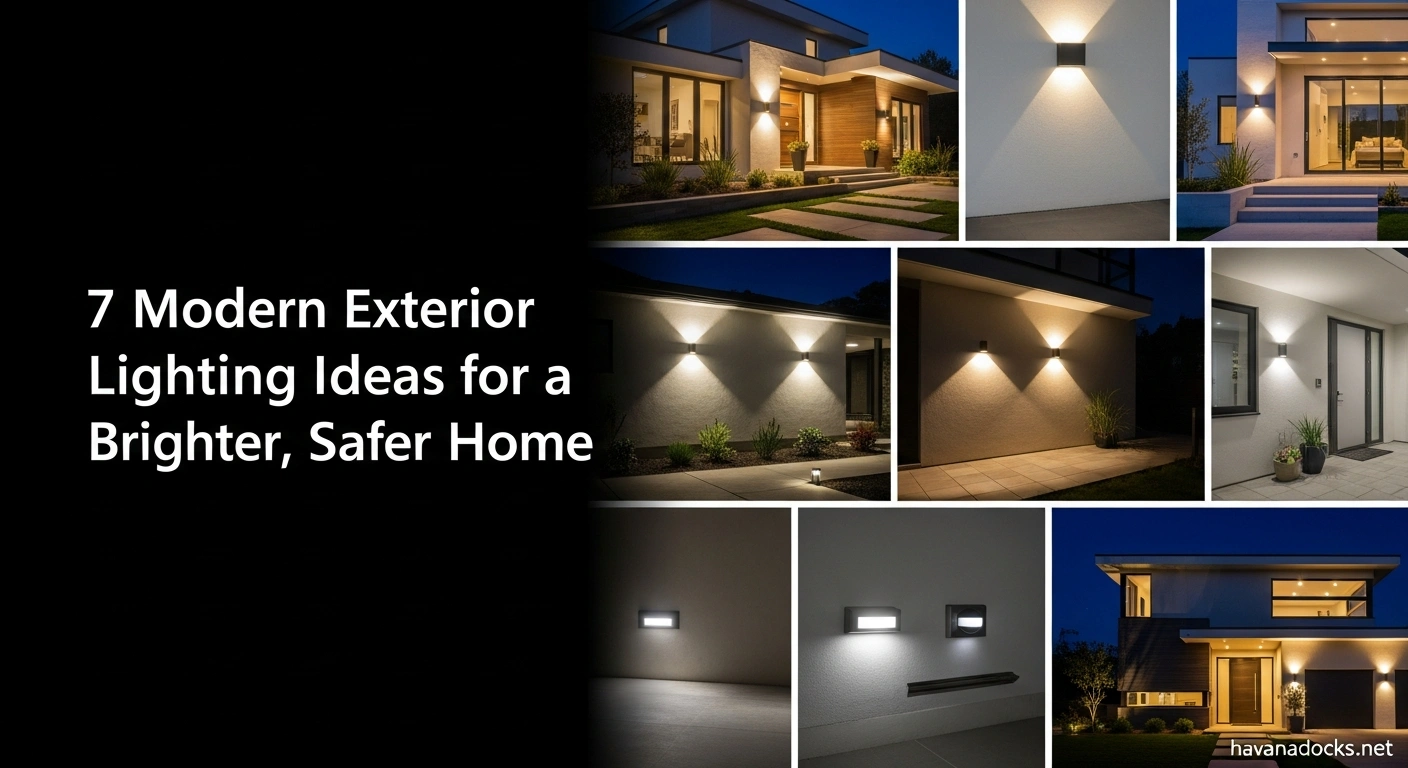
Enhancing Curb Appeal with Strategic Lighting Placement
First impressions matter, and the exterior of your home speaks volumes. Strategic lighting placement is key to highlighting your home’s architectural features, landscaping, and overall style. It’s about creating a visual narrative, guiding the eye and subtly revealing the beauty of your property. Consider the elements you wish to showcase – a beautifully crafted entryway, a lush garden, or a striking facade. Through careful consideration, your lighting can make a stunning statement.
Illuminating Pathways with Path Lights
Path lights are fundamental for safety and aesthetics. They guide visitors along walkways, driveways, and garden paths, preventing accidents and enhancing the overall experience. The key is to select fixtures that complement the architectural style of your home. Consider low-voltage LED path lights for energy efficiency and long lifespan. Placement should be consistent and well-spaced, ensuring even illumination without creating excessive glare. These lights beautifully blend practicality with charm.
Exterior lighting ideas with path lights should prioritize both function and design. Think about the style of your home – modern, traditional, or rustic – and choose path lights that reflect that aesthetic. For a contemporary look, consider sleek, minimalist designs. For a more traditional feel, opt for ornate fixtures with warm-toned bulbs. Ensure the path lights are sturdy and weather-resistant to withstand the elements.
Consider the spacing and height of the path lights. Too much spacing can leave dark spots along the pathway, while too little spacing can create an overwhelming amount of light. Ideally, space the path lights about 6-8 feet apart, depending on the brightness of the bulbs and the width of the pathway. The height of the path lights should also be appropriate for the scale of your landscape. Lower path lights offer a more subtle glow, while taller path lights provide broader coverage.
Adding a Touch of Elegance with Wall Sconces
Wall sconces are more than just light fixtures; they are architectural accents that add character and charm to your home’s exterior. Positioned near doorways, garages, and patios, they provide both ambient and task lighting while enhancing the visual appeal of your facade. Choose sconces that complement your home’s style and consider the material, finish, and light output. From classic lanterns to modern LED fixtures, the options are endless.
The placement of wall sconces is critical. Position them symmetrically on either side of entryways or garage doors to create a balanced and inviting look. Consider the scale of the sconces relative to the size of your wall. Too-small sconces can look insignificant, while oversized sconces can overwhelm the space. A good rule of thumb is to choose sconces that are about one-quarter to one-third the height of the door.
Exterior lighting ideas with wall sconces benefit from layering different types of light. A combination of ambient light, task light, and accent light can create a dynamic and visually interesting effect. Wall sconces typically provide ambient light, while spotlights or floodlights can highlight architectural features or landscaping. Consider using dimmers to control the intensity of the light and create different moods.
When choosing wall sconces, prioritize durability and weather resistance. Look for fixtures made from materials like stainless steel, aluminum, or copper that can withstand the elements. Ensure the sconces are properly sealed to prevent water from entering the fixture and causing damage. Consider LED bulbs for energy efficiency and long lifespan. Many LED bulbs are also dimmable, allowing you to customize the light output to your preferences.
Embracing Soft Accent Glows for Ambiance
Soft accent glows create a subtle and inviting atmosphere, highlighting architectural details and landscaping without overwhelming the space. This approach is about creating a sense of warmth and tranquility, transforming your outdoor space into a relaxing and welcoming haven. Techniques include using low-wattage bulbs, shielded fixtures, and strategic placement to cast gentle light on key features of your home and garden.
The Magic of Uplighting
Uplighting involves positioning lights at ground level to shine upwards, accentuating trees, shrubs, and architectural details. This technique adds depth and dimension to your landscaping, creating a dramatic and visually appealing effect. Choose fixtures that are discreet and blend seamlessly into the environment. Consider using warm-toned bulbs to create a soft and inviting glow.
Exterior lighting ideas with soft accent glows are all about creating a mood. Uplighting is particularly effective when highlighting trees with interesting bark or foliage. Position the lights a few feet away from the base of the tree and aim them upwards to illuminate the canopy. Experiment with different angles and intensities to achieve the desired effect.
When using uplighting, be mindful of light pollution. Avoid aiming the lights directly into the sky or towards neighboring properties. Shielded fixtures can help direct the light where it is needed and prevent unwanted glare. Consider using timers or photocells to automatically turn the lights on and off, saving energy and reducing light pollution.
Downlighting for Subtle Illumination
Downlighting, also known as moonlighting, involves positioning lights high in trees or under eaves to cast a soft, natural-looking glow on the ground below. This technique mimics the effect of moonlight, creating a serene and enchanting atmosphere. Choose fixtures that are discreet and blend into the environment. Consider using warm-toned bulbs to enhance the natural feel.
Exterior lighting ideas with soft accent glows often incorporate downlighting to create a layered lighting effect. Downlighting can be used to illuminate pathways, patios, and other outdoor living spaces. The key is to position the lights so that they cast a soft, diffuse light without creating harsh shadows.
When installing downlights, work with a qualified electrician to ensure the wiring is properly installed and protected from the elements. Consider using low-voltage LED fixtures for energy efficiency and safety. Many LED downlights are also dimmable, allowing you to adjust the light output to your preferences.
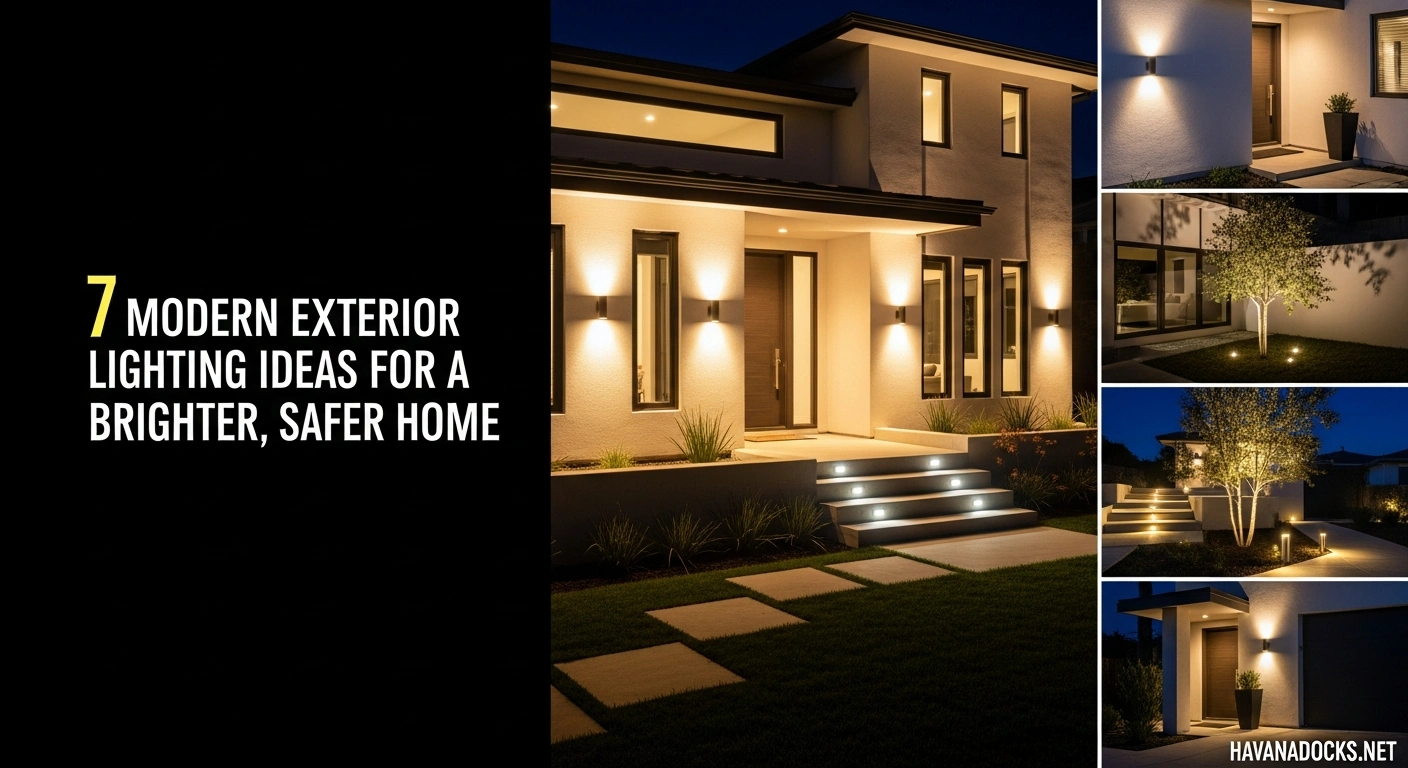
Implementing Smart Lighting Controls for Convenience and Efficiency
Smart lighting controls offer unparalleled convenience and energy savings. These systems allow you to control your outdoor lighting remotely, set schedules, and even adjust the brightness based on ambient light levels. With smart lighting, you can create a lighting scheme that adapts to your needs and preferences, enhancing both security and ambiance.
Scheduling for Security and Energy Savings
Programmable timers and smartphone-controlled systems allow you to set schedules for your outdoor lighting, turning lights on and off automatically at specific times. This not only enhances security by deterring intruders but also saves energy by ensuring that lights are only on when needed. This is a core aspect of modern exterior lighting ideas with path lights, wall sconces, and soft accent glows.
Setting schedules is particularly beneficial for areas like pathways and entryways that require consistent nighttime illumination. You can program the lights to turn on at dusk and off at dawn, providing a safe and well-lit environment throughout the night. Consider using different schedules for weekdays and weekends to accommodate your lifestyle.
When choosing smart lighting controls, prioritize systems that are easy to use and offer a wide range of features. Look for systems that can be controlled via smartphone or tablet, allowing you to adjust the settings from anywhere in the world. Consider systems that integrate with other smart home devices, such as security cameras and motion sensors, to create a comprehensive security system.
Motion Sensors for Enhanced Security
Motion sensors activate lights only when movement is detected, providing an instant boost of illumination and deterring potential intruders. These sensors are ideal for areas like driveways, entryways, and backyards where unexpected activity should be immediately illuminated. Integrating motion sensors into your exterior lighting ideas with path lights, wall sconces, and soft accent glows significantly enhances security.
When installing motion sensors, be mindful of the sensor’s range and sensitivity. Adjust the settings so that the sensor is triggered by people and vehicles, but not by animals or other non-threatening movements. Consider using adjustable sensors that allow you to customize the detection zone.
Motion-activated lights can also be used to conserve energy. By only turning on when needed, they can significantly reduce your electricity bill. Consider using LED motion-activated lights for even greater energy savings. LED bulbs are highly efficient and have a long lifespan, making them a cost-effective choice for outdoor lighting.
Prioritizing Safety and Security with Layered Lighting
Layered lighting involves combining different types of light – ambient, task, and accent – to create a well-balanced and visually appealing outdoor space. This approach enhances both safety and security by providing sufficient illumination for all areas of your property. By layering different types of light, you can create a dynamic and inviting outdoor environment.
Eliminating Dark Spots with Strategic Placement
Dark spots around your property can create safety hazards and provide hiding places for intruders. Strategic placement of outdoor lights is crucial for eliminating these dark spots and creating a secure environment. Consider using a combination of path lights, wall sconces, and floodlights to ensure that all areas of your property are well-lit.
Exterior lighting ideas with path lights, wall sconces, and soft accent glows should always prioritize safety. Pay particular attention to areas like entryways, pathways, and driveways, where people are most likely to walk. Ensure that these areas are well-lit to prevent accidents and deter crime.
Consider using motion-activated lights to illuminate areas that are not frequently used, such as backyards and side yards. These lights will turn on automatically when movement is detected, providing an instant boost of illumination and deterring potential intruders.
Using Warmer Tones for a Welcoming Ambiance
While brightness is important for security, the color temperature of your outdoor lights can also impact the overall ambiance of your property. Warmer tones, such as soft white or amber, create a more welcoming and inviting atmosphere. Cooler tones, such as bright white or blue, can feel harsh and sterile.
Exterior lighting ideas with soft accent glows often incorporate warmer tones to create a relaxing and inviting outdoor environment. Consider using warmer-toned bulbs in your path lights and wall sconces to enhance the ambiance of your property.
Warmer tones are also less likely to attract insects, which can be a nuisance during the summer months. Consider using yellow or amber-colored bulbs in your outdoor lights to minimize insect attraction.
Choosing the Right Fixtures for Durability and Style
The right outdoor lighting fixtures should be both durable and stylish, complementing your home’s architecture and withstanding the elements. This requires careful consideration of materials, finishes, and design. Choose fixtures that not only provide the necessary illumination but also enhance the overall aesthetic of your property.
Selecting Weather-Resistant Materials
Outdoor lighting fixtures are exposed to the elements, including rain, snow, sun, and wind. Choosing fixtures made from weather-resistant materials is crucial for ensuring their longevity and performance. Consider fixtures made from stainless steel, aluminum, copper, or durable composites. These materials are resistant to corrosion and can withstand harsh weather conditions.
Exterior lighting ideas with path lights, wall sconces, and soft accent glows should always prioritize durability. Look for fixtures that are specifically designed for outdoor use and are rated for wet locations. These fixtures are sealed to prevent water from entering and causing damage.
Avoid fixtures made from materials that are prone to rust or corrosion, such as iron or steel. These materials can quickly deteriorate in outdoor environments, leading to premature failure.
Complementing Your Home’s Architecture
Your outdoor lighting fixtures should complement your home’s architecture and overall style. Consider the design, color, and finish of your fixtures to ensure that they blend seamlessly with your property. For a modern home, consider sleek, minimalist fixtures with clean lines. For a traditional home, opt for ornate fixtures with classic detailing.
Exterior lighting ideas with wall sconces should always take into account the architectural style of the home. Position the sconces symmetrically on either side of entryways or garage doors to create a balanced and harmonious look.
Consider using fixtures with adjustable features, such as adjustable spotlights or downlights, to customize the lighting output and direction. This allows you to highlight specific architectural features or landscaping elements.
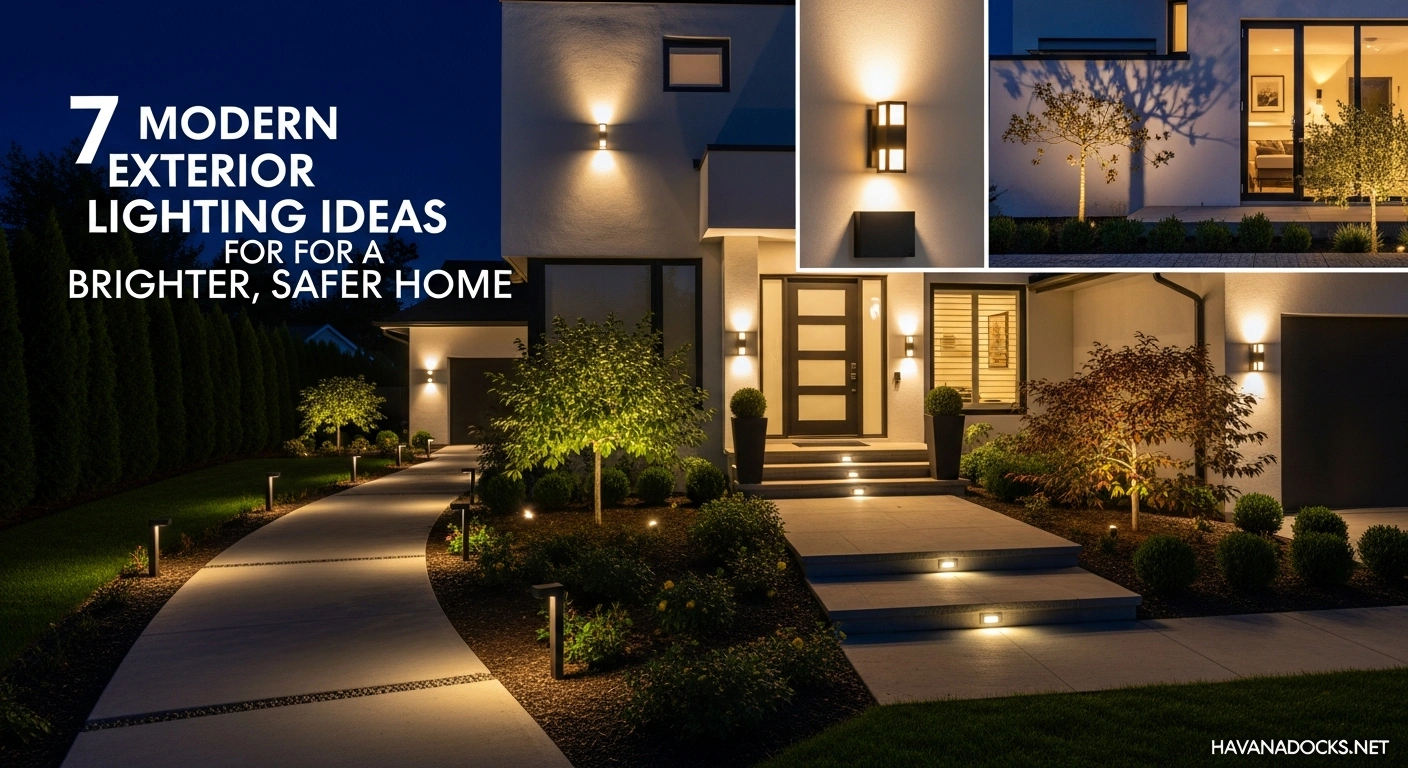
Professional Installation vs. DIY: Making the Right Choice
Installing outdoor lighting can be a DIY project for some homeowners, while others may prefer to hire a professional electrician. The best choice depends on your skills, experience, and the complexity of the project. Consider the pros and cons of each approach before making a decision.
Choosing between DIY and professional installation is not just about saving money—it’s about ensuring safety, efficiency, and long-term durability. Outdoor lighting often involves electrical work, weatherproofing, and strategic placement to achieve the best visual impact. Understanding both options will help you make a more confident decision that aligns with your budget, capabilities, and design goals.
✔️ DIY Installation
DIY outdoor lighting installation can be rewarding for homeowners who enjoy hands-on tasks and have basic electrical knowledge. It gives you full control over the process, lets you adjust designs as you go, and can significantly cut down on labor costs. Modern lighting kits are also more user-friendly, offering plug-and-play systems, low-voltage options, and clear instructions.
However, DIY isn’t always the perfect solution. Without proper experience, you may face challenges such as improper wiring, insufficient brightness, uneven spacing, or water damage due to poor sealing. More complex projects—like those involving underground wiring or smart automation systems—may require skills beyond what simple tutorials can provide.
✔️ Professional Installation
Hiring a professional installer ensures the job is done safely and correctly. Electricians understand voltage requirements, wiring systems, lighting placement, and local building codes. They can also incorporate advanced features such as timers, motion sensors, or integrated smart home systems. Professional work usually results in a cleaner installation and long-lasting performance.
The downside is the cost—professional services can be expensive depending on the scope of your project. You also have less flexibility to make spontaneous design changes unless discussed beforehand.
✔️ Making the Right Choice
To determine which approach suits you best, consider factors such as:
-
Your skill level and familiarity with electrical systems
-
Project complexity (simple solar path lights vs. full landscape lighting)
-
Safety concerns, especially regarding wiring and weather exposure
-
Budget and time constraints
-
Desired lighting effects and long-term maintenance
If your project is simple and budget-friendly, DIY may be ideal. But for a polished, safe, and reliable outdoor lighting setup—especially one involving wired fixtures—professional installation is often worth the investment.
When to Hire a Professional Electrician
Hiring a professional electrician is recommended for complex lighting projects that involve electrical wiring, trenching, or working at heights. An electrician has the knowledge, skills, and tools to safely and properly install outdoor lighting fixtures. They can also ensure that the installation complies with local electrical codes. A professional for exterior lighting ideas with path lights, wall sconces, and soft accent glows provides peace of mind and guarantees code compliance.
Consider hiring a professional electrician if you are not comfortable working with electricity or if you have limited experience with home improvement projects. Electrical work can be dangerous, and improperly installed lighting fixtures can pose a fire hazard.
A professional electrician can also help you design a lighting scheme that meets your specific needs and preferences. They can assess your property and recommend the best types of fixtures, placement techniques, and control systems.
Simple DIY Lighting Projects
Simple outdoor lighting projects, such as replacing existing fixtures or installing solar-powered lights, can often be done DIY. However, it is important to follow safety precautions and take your time. Always turn off the power to the circuit before working on any electrical fixtures.
Exterior lighting ideas with path lights can be easily implemented using solar-powered options. Solar path lights are easy to install and require no wiring. Simply place them along your pathways and let the sun charge the batteries during the day.
Consider using LED bulbs in your outdoor lighting fixtures. LED bulbs are energy-efficient, long-lasting, and available in a wide range of colors and styles. They are a great choice for both DIY and professional lighting projects.
Conclusion
Elevating your home’s exterior lighting is an investment in safety, security, and curb appeal. By incorporating these seven modern exterior lighting ideas with path lights, wall sconces, and soft accent glows, you can transform your property into a welcoming and visually stunning space. Remember to prioritize safety, durability, and energy efficiency when selecting lighting fixtures and control systems. Whether you choose to tackle the project yourself or hire a professional, the result will be a brighter, safer, and more beautiful home.